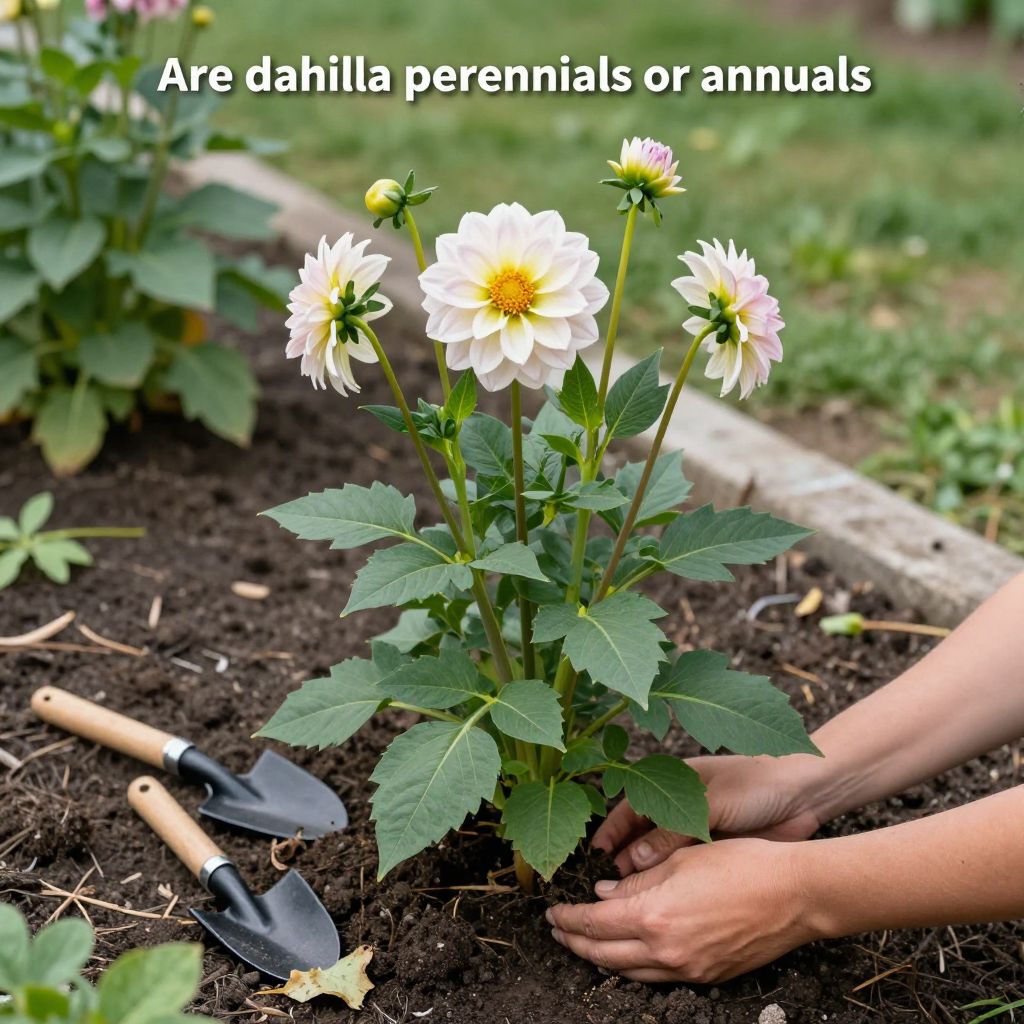
Are dahlias perennials or annuals? The short answer is that dahlias are tender perennials in many climates, but gardeners in colder regions often grow them as annuals or lift and store the tubers for winter. Whether they return depends mostly on frost, soil drainage, and how you overwinter them.
If you know how dahlias behave in your climate, you can enjoy their big blooms without losing plants to cold or rot. Here’s how to tell what to expect, how to care for them, and how to keep them coming back year after year.
Are dahlias perennials or annuals?
Dahlias are perennial plants in frost-free or mild-winter climates because their tuberous roots survive from one season to the next. In colder areas, the top growth dies after frost, and the tubers usually need to be dug up and stored indoors. So the answer is both: perennial by nature, but often treated as annuals in practice.
Why dahlias behave differently in different climates
Dahlias grow from tubers, not true bulbs. Those tubers store energy underground, but they are sensitive to freezing and to wet soil in winter.
That means the plant can return reliably only where winter conditions stay mild enough for the tubers to survive in the ground. In colder regions, even if the plant grows beautifully all summer, a hard freeze can kill the tubers if they are left in place.
What “perennial” means for dahlias
- Perennial in warm climates: The tubers survive winter outdoors and resprout in spring.
- Annual in cold climates: The plant is replanted each year, or the tubers are lifted and stored.
- Tender perennial: A useful term for plants that can live for years, but only if protected from frost.
How to tell if your dahlia can overwinter outdoors
The biggest factor is winter temperature, but soil drainage matters just as much. Dahlias are more likely to survive in the ground if winters are mild and the soil stays relatively dry.
If your area gets repeated hard freezes, frozen ground, or soggy winter soil, plan to lift the tubers. Even in milder regions, heavy clay soil can cause rot if water sits around the tubers for long periods.
Signs your climate is too cold for leaving dahlias in the ground
- Hard frost is common in winter.
- The ground freezes deeply for long periods.
- Soil stays wet or waterlogged through winter.
- You have lost dahlias before by leaving them in place.
Signs dahlias may overwinter successfully outdoors
- Winters are mild and frost is light or brief.
- Your soil drains quickly after rain.
- The planting bed is sheltered and not prone to standing water.
- Nearby gardeners keep dahlias in the ground year-round.
How to grow dahlias so they come back
Good dahlia care during the growing season improves the odds of successful overwintering. Healthy, well-fed tubers are more likely to store energy and survive storage or winter in the ground.
Planting conditions dahlias prefer
- Sunlight: Full sun is best for strong stems and abundant flowers.
- Soil: Rich, loose, well-drained soil helps tubers establish well.
- Drainage: Avoid low spots where water collects.
- Air flow: Good spacing helps reduce mildew and rot problems.
Before planting, work in compost to improve soil structure. If your soil is heavy clay, consider raised beds or mounded planting areas to keep the tubers above excess moisture.
Watering dahlias correctly
Water newly planted tubers lightly until growth appears, then water more deeply as the plant develops. Once established, dahlias usually do better with thorough watering less often than with frequent shallow watering.
Try to keep the soil evenly moist, not soggy. Overwatering can rot tubers, especially before shoots emerge and in cool weather.
Feeding and staking
Dahlias are heavy bloomers and often need support. Tall varieties may flop without stakes, cages, or a support system installed early.
- Use a sturdy stake or cage at planting time so you do not damage tubers later.
- Feed with compost or a balanced fertilizer suited to flowering plants, but avoid overfeeding with nitrogen-heavy products.
- Too much nitrogen can produce lots of leafy growth and fewer flowers.
What to do at the end of the season
How you handle dahlias in autumn depends on your winter climate. The goal is to protect the tubers from freezing and rot while keeping them healthy enough to sprout again.
If you leave dahlias in the ground
- After frost blackens the foliage, cut the stems back to a few inches above soil level.
- Remove dead leaves and debris from the bed.
- Add a dry mulch layer if your climate is mild enough for in-ground overwintering.
- Check the bed periodically to make sure it does not stay wet.
Do not mulch over damp, cold soil so heavily that it traps moisture around the tubers. In wet climates, insulation alone will not prevent rot.
If you dig and store tubers
In colder regions, lifting tubers is usually the safest option. Wait until after the first frost has killed the top growth, then dig carefully to avoid nicking the tubers.
- Cut stems down to a short stump after frost.
- Loosen soil several inches away from the clump.
- Lift the tubers gently and shake off excess soil.
- Let them dry in a sheltered, airy place for a short period.
- Store them in a cool, dark, frost-free location with moderate humidity.
Store tubers in a medium such as dry peat, vermiculite, or wood shavings if needed to help prevent shriveling. Check them occasionally through winter and remove any that rot.
Common mistakes that make dahlias fail
Most dahlia problems come from too much moisture, too little sun, or winter handling that is too rough. A few simple mistakes can turn a perennial into a one-season plant.
- Planting in cold, wet soil: Tubers may rot before they sprout.
- Overwatering early on: The tubers can decay before roots establish.
- Skipping support: Tall stems may break in wind or rain.
- Leaving tubers in soggy ground over winter: Rot is more likely than cold damage alone.
- Storing tubers too warm or too dry: They may shrivel, dry out, or sprout too early.
Pruning, deadheading, and bloom care
Regular deadheading keeps dahlias flowering longer through the season. Remove spent blooms back to a side shoot or a healthy set of leaves to encourage more buds.
If plants become crowded or weak, pinch young stems early in the season to encourage bushier growth. This can improve branching, though it may delay the first flowers slightly.
When to cut flowers for arrangements
Cutting flowers often encourages more blooms, as long as you leave enough foliage on the plant to keep feeding the tubers. Harvest stems in the cool part of the day and place them in water right away.
Pests and diseases to watch for
Dahlias can be troubled by slugs, earwigs, aphids, spider mites, and caterpillars, depending on your location. Wet conditions can also encourage fungal problems such as powdery mildew and tuber rot.
- Slugs and snails: Common on young shoots in damp weather.
- Aphids: Often cluster on tender growth and buds.
- Powdery mildew: More likely when air circulation is poor.
- Tuber rot: Usually linked to excess moisture and poor drainage.
To reduce problems, keep plants spaced well, water at the base, clear away fallen debris, and inspect new growth regularly. Healthy plants in full sun are usually less vulnerable than stressed plants in shade or soggy soil.
Can you propagate dahlias?
Yes. Dahlias are commonly propagated by dividing tubers or taking cuttings from new shoots. Division is the most common method for home gardeners who want more plants and reliable clones of the parent plant.
Dividing tubers
Divide tubers in spring when the eyes are visible, or in some cases after lifting in fall if you can clearly identify the growing points. Each division needs at least one viable eye and a piece of tuber attached.
Be careful not to separate tubers without eyes, because those pieces usually will not grow. Use a clean, sharp tool and handle the clumps gently to avoid damage.
Starting cuttings
Some gardeners start dahlia cuttings from sprouted tubers indoors. This is useful if you want more plants from a prized variety, but it takes a bit more care and warmth than direct planting outdoors.
So, should you treat dahlias as annuals?
If you live in a frost-free or very mild climate, you can often treat dahlias as true perennials. If winters are cold, wet, or freezing, it is safer to treat them as seasonal plants and either replant each year or store the tubers indoors.
The best approach is to match your method to your local weather, soil drainage, and how much winter care you are willing to do. That way, you can enjoy dahlias for their long bloom season without losing them to avoidable winter damage.
If you want to grow dahlias successfully next season, start by improving drainage, choosing a sunny spot, and deciding now whether you will leave the tubers in the ground or lift them for winter storage. For more practical flower-growing advice, you may also want to read about how to care for summer-flowering perennials and tips for dividing tubers and bulb-like roots.