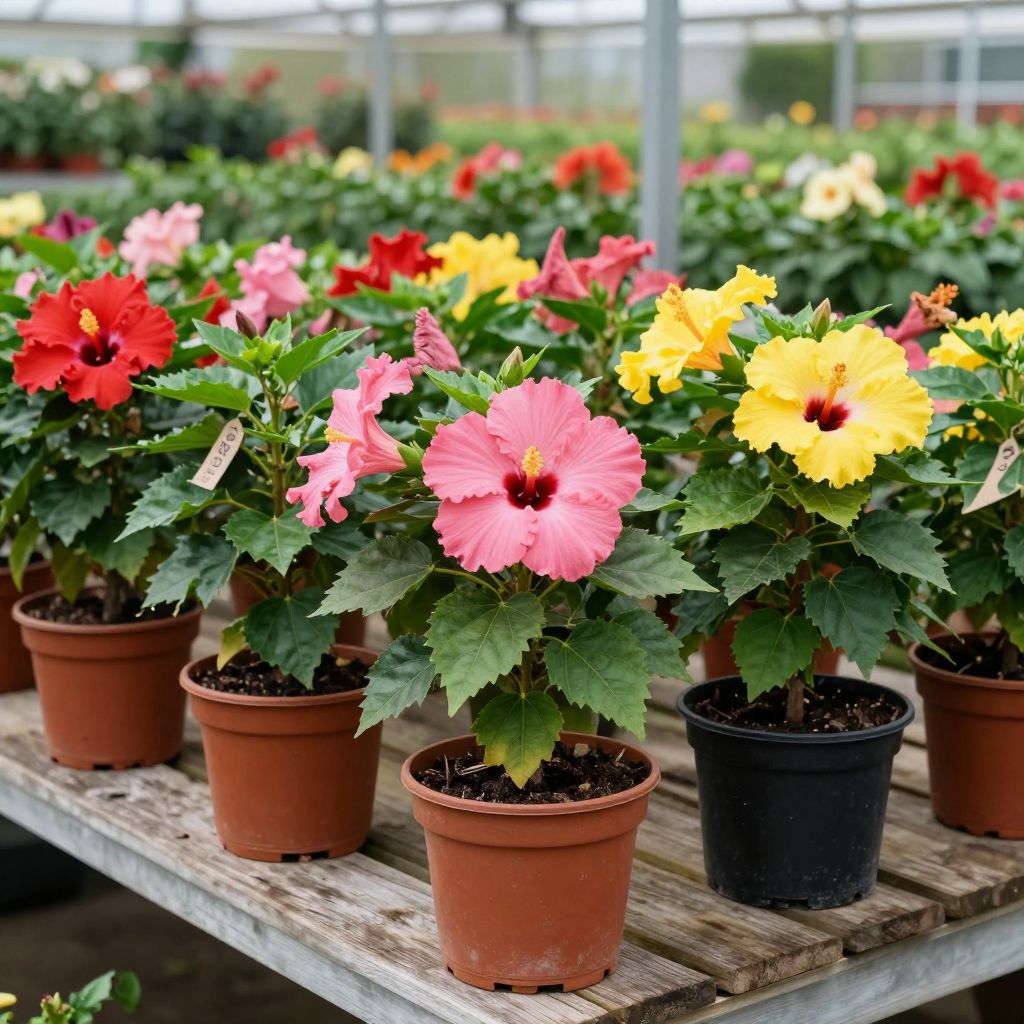
Looking for the best place to buy hibiscus flowers? Whether you want a tropical patio plant, a hardy shrub for the landscape, or a blooming houseplant, the right source makes a big difference in plant health and long-term success.
You can buy hibiscus flowers from garden centers, nurseries, online plant sellers, local plant swaps, and sometimes grocery stores or seasonal pop-up markets. The best option depends on your climate, whether you want Hibiscus rosa-sinensis or hardy hibiscus, and how much control you want over plant quality, variety, and shipping.
Where to buy hibiscus flowers?
The best places to buy hibiscus flowers are local nurseries and reputable online plant retailers. Local sources let you inspect the plant before buying, while online sellers often offer a wider selection of tropical and hardy hibiscus varieties. Choose a seller that clearly labels the species, size, and growing requirements.
Best places to shop for hibiscus plants
Local garden centers and nurseries
For most home gardeners, a local nursery is the safest place to buy hibiscus flowers. You can check leaf color, stem strength, root condition, and whether the plant is already stressed from pests or drought.
Local nurseries are especially helpful if you are unsure which hibiscus type suits your climate. Staff can usually tell you whether the plant is a tropical hibiscus or a hardy perennial type.
Big-box garden departments
Home improvement stores and chain garden centers often carry hibiscus during spring and summer. Prices may be lower, and the selection is convenient, but plant care can be inconsistent.
If you shop there, inspect each plant carefully. Avoid anything with yellowing leaves, sticky residue, visible insects, broken stems, or soil that is either bone-dry or constantly soggy.
Online plant retailers
Online sellers are a good choice if you want a specific cultivar, a larger plant, or a type that is hard to find locally. This is often the best route for gardeners who want unusual flower colors or need mail-order delivery.
Buy only from sellers that provide clear plant photos, shipping details, size information, and a live-arrival policy. Good packaging matters because hibiscus can drop leaves after rough handling or temperature stress.
Local plant sales, swaps, and botanical gardens
Plant swaps and community sales can be excellent sources for healthy hibiscus cuttings or divisions, especially if you want affordable plants. Botanical garden sales may also offer well-grown, climate-tested stock.
These sources are best when you can ask questions about the parent plant, growing conditions, and whether the hibiscus has been grown outdoors year-round or protected in a greenhouse.
Florists and grocery stores
Some florists and grocery stores sell blooming hibiscus as temporary decorative plants. These can be fine for short-term color, but they are not always the best choice for long-term garden performance.
If you buy one, plan to repot it soon and give it bright light. Many store-bought hibiscus plants decline if they stay in low light or sit in decorative sleeves that trap water around the roots.
How to choose a healthy hibiscus plant
Healthy hibiscus plants should have firm stems, rich green leaves, and no obvious pest damage. A few buds are good, but a plant covered in open blooms may be more stressed after transport and may take longer to settle in.
- Check the leaves: They should be clean, not curled, spotted, or sticky.
- Inspect the undersides: Look for aphids, whiteflies, spider mites, or scale.
- Look at the soil: It should be lightly moist, not waterlogged or dust-dry.
- Examine the pot: Roots should not be circling heavily through drainage holes.
- Choose sturdy growth: Avoid plants with long, weak stems and very wide spacing between leaves.
If you are buying a hibiscus for outdoor planting, ask whether it is hardy in your area or needs winter protection. Tropical hibiscus and hardy hibiscus are not interchangeable in the landscape.
Know which hibiscus you are buying
Tropical hibiscus
Hibiscus rosa-sinensis is the common tropical hibiscus sold for bright flowers and container growing. It prefers warmth, plenty of light, and protection from frost.
This is usually the type sold in patio pots, conservatories, and indoor plant sections. In colder climates, it is often grown as a summer container plant or overwintered indoors.
Hardy hibiscus
Hardy hibiscus types, often sold as perennial hibiscus, are bred to survive colder winters in the ground. They die back in winter in many climates and return in spring from the roots.
If you want a large landscape plant for a border or moist garden bed, hardy hibiscus may be the better fit. Confirm the exact type before you buy so you can match it to your winter conditions.
Container-grown vs. in-ground plants
Container-grown hibiscus is easier to move and protect, while in-ground plants usually have more room to grow and may need less frequent watering once established. Your choice should match your space and climate.
For balconies, patios, and cold climates, containers are often the most flexible option. For warm regions with suitable soil and space, in-ground planting can create a stronger long-term display.
What to ask before you buy
Good sellers should be able to answer a few basic questions. If they cannot, that is a warning sign that the plant may not be well labeled or well cared for.
- Is this tropical hibiscus or hardy hibiscus?
- How much sun does it need in my climate?
- Has it been grown indoors, in a greenhouse, or outdoors?
- Has the plant been treated recently for pests?
- What size will it reach at maturity?
- Does it need a larger pot soon after purchase?
If you are buying online, read the product description closely. A good listing should explain plant size, shipping method, and whether the plant is rooted or newly propagated.
How to grow hibiscus successfully after purchase
Give it the right light
Most hibiscus plants bloom best in bright light. Tropical hibiscus usually needs several hours of direct sun or very bright light, while hardy hibiscus generally performs best in full sun to light shade depending on climate.
If you move a plant from a greenhouse or shaded store display into stronger sun, do it gradually over several days to reduce leaf scorch.
Use well-drained soil
Hibiscus roots dislike sitting in soggy soil. For containers, use a high-quality potting mix that drains well but still holds some moisture. For landscape planting, improve heavy clay with compost and make sure water does not pool around the roots.
Avoid planting hibiscus in compacted soil or low spots that stay wet after rain. Poor drainage is one of the most common reasons these plants fail.
Water carefully
Newly purchased hibiscus often need more consistent moisture than established plants, but they should never stay saturated. Water when the top layer of soil begins to dry, then water thoroughly so excess drains away.
In hot weather, container hibiscus may need much more frequent watering than in cool weather. Always check the soil rather than following a fixed schedule.
Feed lightly and regularly during active growth
Hibiscus are moderate feeders, but too much fertilizer can encourage leafy growth at the expense of flowers. Use a balanced fertilizer or one formulated for flowering plants, following the label directions for your product and growing conditions.
If the plant is newly purchased or stressed, wait until it has settled in before fertilizing heavily. A healthy root system is more important than pushing fast growth.
Prune for shape and flowering
Light pruning helps hibiscus stay bushy and encourages branching. Remove dead or weak stems, and pinch back overly long shoots if the plant becomes leggy.
For tropical hibiscus, pruning is often best during active growth. For hardy hibiscus, cut back dead stems according to your local season and the plant’s natural growth cycle.
Common problems after buying hibiscus
Leaf drop
Many hibiscus plants drop some leaves after being moved from one environment to another. This can happen because of changes in light, temperature, watering, or humidity.
Keep the plant stable, avoid overwatering, and give it bright light. New growth is a better sign of recovery than keeping every old leaf.
Pests
Aphids, spider mites, whiteflies, and scale are common hibiscus pests. They often hide on the undersides of leaves or along stems, so inspect the plant closely before bringing it home.
If you spot pests early, isolate the plant and treat it promptly with a gentle control method suitable for your situation. Catching the problem early makes treatment much easier.
Bud drop
Bud drop can happen when a hibiscus is stressed by sudden temperature shifts, dry soil, low light, or being moved too often. It is frustrating, but it is usually a response to growing conditions rather than a permanent failure.
Keep the plant in one bright, stable location and avoid frequent changes. Consistent care usually improves blooming over time.
How to plant hibiscus in the ground or a pot
Planting in a container
- Choose a pot with drainage holes.
- Use a potting mix that drains well.
- Remove the plant gently and loosen circling roots lightly if needed.
- Set the plant at the same depth it was growing before.
- Water thoroughly and let excess water drain away.
Do not bury the stem deeper than necessary. Deep planting can encourage rot at the base.
Planting in the landscape
- Select a site with the right sun exposure for your hibiscus type.
- Check drainage by watering the area and seeing how quickly it clears.
- Work in compost if the soil is poor or very heavy.
- Dig a hole no deeper than the root ball and slightly wider.
- Water well after planting and mulch lightly, keeping mulch away from the stem.
For best results, plant when the weather is mild and the soil is workable. In colder areas, wait until frost danger has passed for tropical types.
When buying online makes the most sense
Online shopping is often the best option if you want a specific color, a named cultivar, or a plant that local stores do not carry. It is also useful if you live in a small town with limited nursery stock.
Choose shipping windows carefully. Extreme heat or cold can damage hibiscus during transit, so timing matters as much as the seller’s reputation.
Quick buying checklist
- Choose a seller that clearly identifies the hibiscus type.
- Inspect for pests, yellowing, and root problems.
- Match the plant to your climate and light conditions.
- Buy from a source with strong packaging or healthy in-store stock.
- Plan where the plant will live before you bring it home.
Conclusion
If you are wondering where to buy hibiscus flowers, start with a reputable local nursery if possible, then compare online sellers for wider variety. Once you choose a healthy plant, give it bright light, well-drained soil, and steady care so it can settle in and bloom well.
For more practical plant care guidance, you may also want to read about container gardening basics and choosing the right flowering shrubs for your yard.