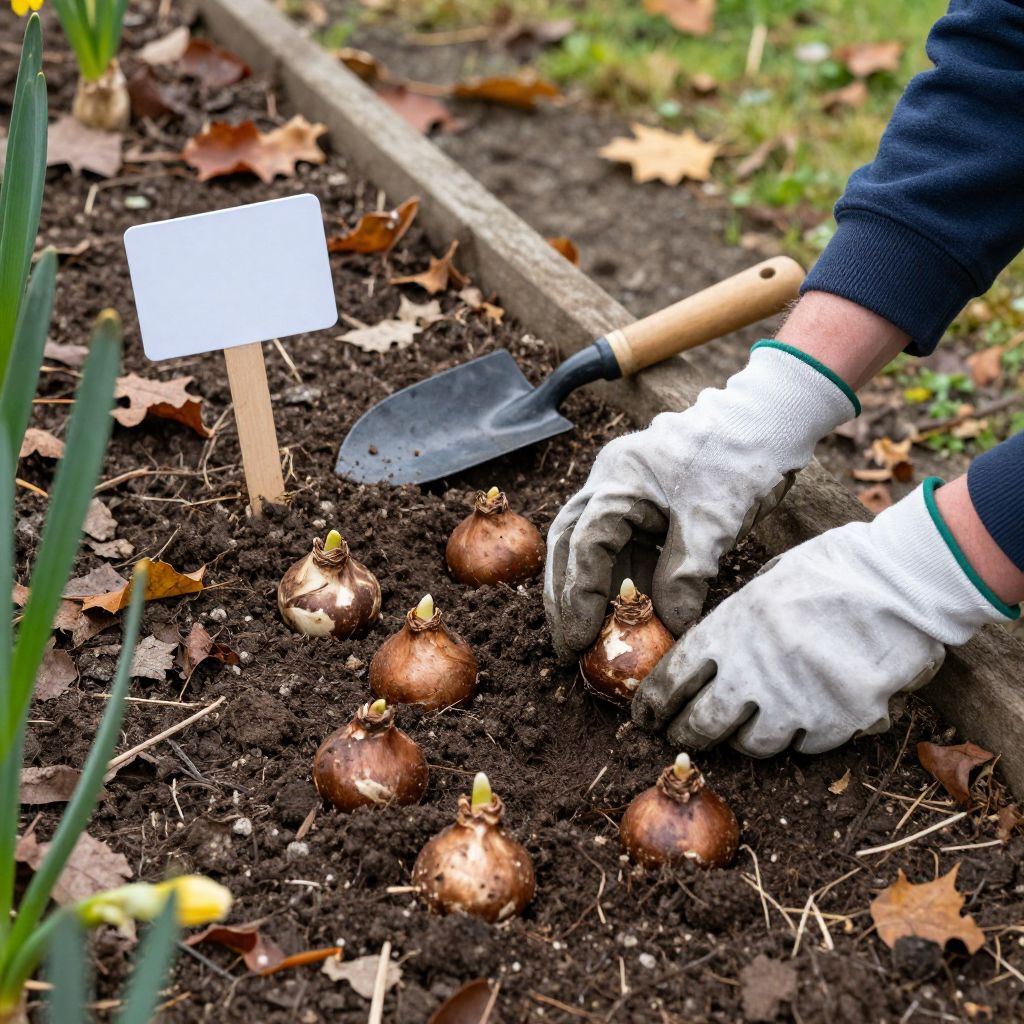
When should you plant daffodils so they bloom well in spring? The short answer is to plant daffodil bulbs in autumn, before the ground freezes, while the soil is still workable and cool. That gives the bulbs time to root before winter, which is the key to strong growth and reliable flowering.
If you miss the ideal window, you can still plant later in mild climates or as long as the soil is not frozen solid. The best timing depends on your local weather, but a good rule is to plant when daytime temperatures are cooling and you’re ready for fall bulb planting.
When to plant daffodils?
Plant daffodil bulbs in fall, roughly 2 to 4 weeks before the ground freezes in your area. In many gardens, that means September through November, but the exact timing depends on climate. The goal is cool soil for root growth, not warm soil that encourages top growth too early.
Why fall is the best planting time
Daffodils need a cold period to bloom properly, and fall planting gives them time to establish roots before winter dormancy. If you plant too early in warm soil, bulbs may start growing too soon; if you plant too late, they may not root well enough to flower strongly in spring.
What happens after planting
- The bulb forms roots in cool soil.
- Winter chill helps prepare the bulb for spring flowering.
- Leaves and flower stems emerge when temperatures rise.
In most climates, the safest approach is to plant after the hottest weather has passed but before hard freezes make digging difficult. That timing also helps reduce rot risk in soil that is still warm and wet.
How to choose the right planting window for your climate
Because local weather varies, use your first frost date and soil conditions as your guide. Gardeners in colder regions usually plant earlier in fall, while those in mild-winter areas can often plant later into autumn or early winter if the soil remains workable.
General timing guide
- Cold climates: early to mid-fall is often best.
- Temperate climates: mid-fall usually works well.
- Mild-winter climates: late fall planting may still succeed if bulbs get enough chill and drainage is good.
If you’re unsure, check your local frost dates and wait until nights are cooler. Daffodils are forgiving, but they perform best when planted at the right seasonal moment.
How to plant daffodil bulbs correctly
Good timing matters, but correct planting matters just as much. Daffodils need well-drained soil, the right depth, and enough spacing to avoid crowding as clumps expand over time.
- Choose a sunny or lightly shaded spot with well-drained soil.
- Loosen the soil and remove rocks, roots, and weeds.
- Plant bulbs pointy end up, about 6 inches deep, or roughly 2 to 3 times the bulb’s height.
- Space bulbs about 4 to 6 inches apart.
- Backfill with soil and water once to settle the soil around the bulbs.
If your soil is heavy clay, improve drainage before planting by mixing in compost and planting in raised beds or mounds when needed. Daffodils dislike sitting in waterlogged soil, especially during winter.
Best soil conditions
- Loose, moderately fertile soil
- Good drainage year-round
- Neutral to slightly acidic soil is usually fine
- Enough organic matter to support root growth
Sunlight, water, and care after planting
Daffodils bloom best in full sun, but they also tolerate light shade, especially under deciduous trees that leaf out later in spring. After planting, water once to settle the bulbs, then rely on rainfall unless the soil is unusually dry.
Overwatering is a common mistake. Bulbs need moisture to root, but soggy soil can cause rot, so only water if the soil is dry several inches down and the weather has been unusually dry.
Care through winter and spring
- Leave mulch light and airy if you use it; don’t bury bulbs too deeply.
- Allow foliage to grow naturally after flowering.
- Do not cut leaves back until they yellow and die down on their own.
The leaves feed the bulb for next year’s bloom, so resist the urge to tidy them too soon. This is one of the most important daffodil care rules.
Common mistakes to avoid
Many daffodil problems start with planting errors rather than pests or disease. Avoid these common issues to improve bloom quality and bulb survival.
- Planting too late: bulbs may not root well before winter.
- Planting too shallow: bulbs can heave out of the soil or bloom poorly.
- Poor drainage: bulbs may rot in wet ground.
- Removing foliage too early: bulbs weaken and may bloom less the following year.
- Overcrowding: clumps become congested and flower fewer stems over time.
What to do if you missed the ideal planting time
If you bought bulbs late, plant them as soon as possible if the ground is still workable. In mild climates, late planting can still be successful, though bloom may be lighter the first spring. If the soil is frozen, store bulbs in a cool, dry, well-ventilated place and plant them when conditions allow.
For bulbs that have already sprouted in storage, plant them immediately and handle them gently. They may still bloom, but they need to be in the ground quickly to avoid drying out.
How to keep daffodils blooming year after year
Once planted, daffodils are low-maintenance, but they do best when left undisturbed for several years. If blooms become smaller or crowded, the clumps may need lifting and dividing after the foliage dies back.
Simple maintenance tips
- Deadhead spent flowers, but keep the leaves.
- Let foliage yellow naturally before cutting it back.
- Divide crowded clumps every few years if flowering declines.
- Add compost lightly around plants in fall or after flowering if your soil is poor.
In most gardens, daffodils are not fussy feeders. A healthy planting site with decent soil and good drainage usually matters more than heavy fertilizing.
Pests and diseases to watch for
Daffodils are generally reliable, but poor planting conditions can invite trouble. The most common issue is bulb rot from wet soil. Deer and rodents usually avoid daffodils because the bulbs and foliage are toxic, which makes them useful in mixed borders.
Watch for these problems
- Soft or mushy bulbs: often caused by rot or damage before planting.
- Yellowing too early: may indicate stress, poor drainage, or nutrient issues.
- No flowers: often caused by planting too shallow, too late, or in too much shade.
If bulbs fail repeatedly in one spot, improve the drainage or move them to a better location rather than replanting in the same wet soil.
Can you plant daffodils in containers?
Yes, daffodils grow well in pots if the container drains freely and the bulbs get a proper cold period. Container planting follows the same fall timing as garden planting, but pots dry out and freeze faster, so they need a little more attention.
Container tips
- Use a pot with drainage holes.
- Plant bulbs close together but not touching.
- Use a free-draining potting mix.
- Protect pots from extreme freeze-thaw cycles if your winters are harsh.
In cold regions, container-grown bulbs may need extra insulation or a sheltered spot, since pots expose roots more than in-ground planting does.
Final planting checklist
Before you plant, make sure you have the right timing, a well-drained site, and healthy bulbs. Those three things do most of the work for you.
- Plant in fall, before the ground freezes.
- Choose a sunny or lightly shaded location.
- Set bulbs about 6 inches deep and 4 to 6 inches apart.
- Water once after planting, then avoid soggy soil.
- Leave foliage in place after bloom until it yellows naturally.
If you want to plan more spring bulbs, you may also find it helpful to read about how to plant bulbs in fall and spring flower garden care for more seasonal planting guidance.