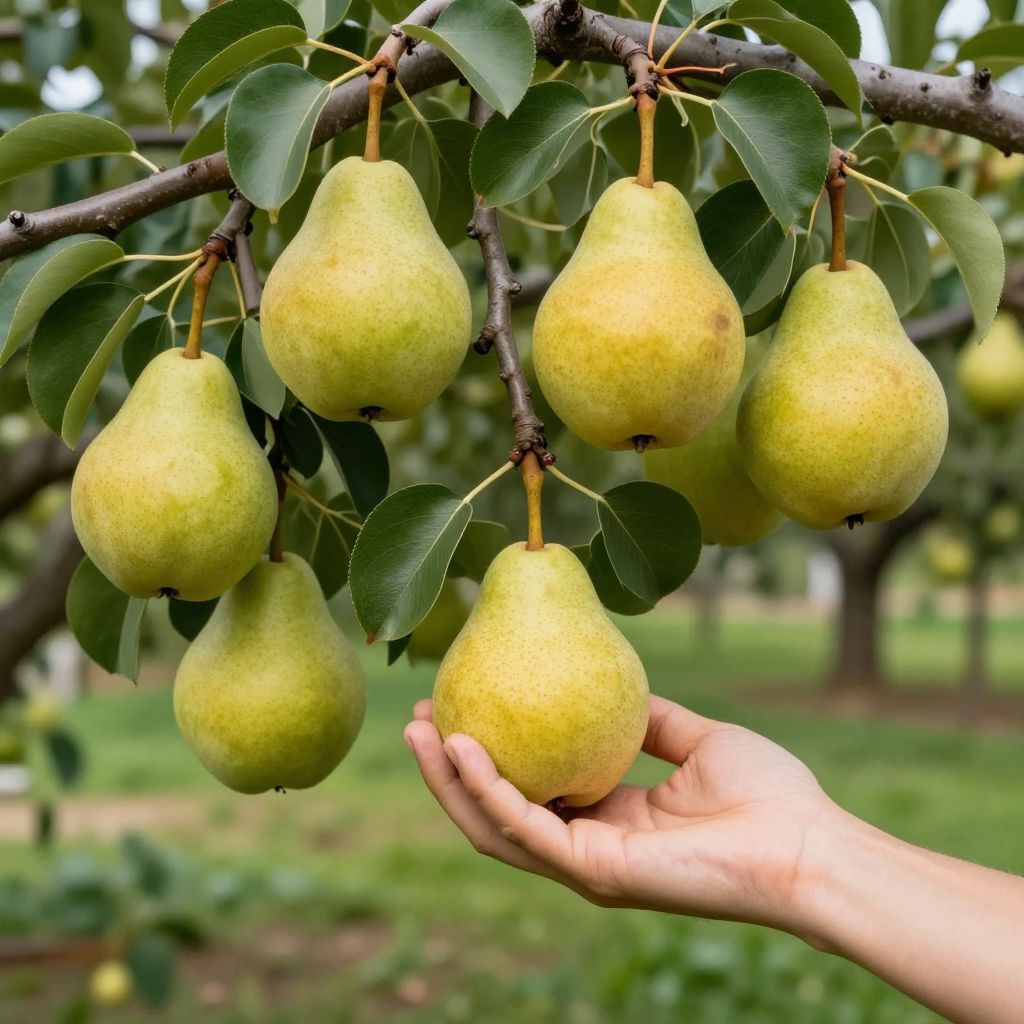
When is pear season? For most gardeners and shoppers, pears are in season from late summer through autumn, but the exact window depends on the variety, your climate, and when the fruit is picked. Unlike many fruits, pears are often harvested before they are fully ripe, then finished indoors for the best texture and flavor.
If you grow pears, knowing the season helps you harvest at the right time, store fruit properly, and avoid common problems like mealy flesh or fruit drop. If you’re planning a pear tree, season also matters for selecting varieties that ripen reliably in your area.
When is pear season?
Pear season usually runs from late summer into fall, with some varieties ripening earlier and others much later. In home gardens, pears are typically picked when mature but still firm, then ripened off the tree for a few days to a couple of weeks, depending on the cultivar and temperature.
How pear season changes by variety and climate
There is no single harvest date for all pears. Early-season pears may be ready in late summer, while mid- and late-season varieties can extend harvest well into autumn.
What affects the timing?
- Variety — Different cultivars ripen at different times.
- Climate — Cooler regions often harvest later than warmer ones.
- Tree age and crop load — Young trees or heavily loaded trees may ripen unevenly.
- Weather — Heat, drought, or an early frost can shift timing.
In many temperate gardens, you can expect a staggered pear harvest rather than one short window. If you plant more than one variety, you can extend the season from late summer into mid-fall.
Common seasonal pattern
- Early pears — Often harvested in late summer.
- Midseason pears — Usually picked in early to mid-fall.
- Late pears — May stay on the tree into late fall, depending on frost risk.
How to tell when pears are ready to pick
Pears are usually harvested when they are mature, not fully soft. The fruit should feel firm, but the stem end may begin to lift slightly when you gently tilt the pear upward. Color change can help, but it is less reliable than maturity and stem response.
Signs pears are ready
- The fruit has reached full size for the variety.
- The background color shifts from deep green to a lighter green or yellow-green.
- The pear detaches with a gentle upward lift, not a hard tug.
- Seeds inside are dark brown in many varieties.
- The flesh is still firm, not soft on the tree.
Do not wait for pears to soften on the tree. Most varieties become grainy or overripe if left too long. Harvesting at the correct maturity stage is one of the biggest differences between disappointing and excellent pears.
A simple ripeness test
- Lift the pear gently in a horizontal position.
- Twist slightly upward.
- If it separates easily, it is likely ready to pick.
- If it resists, leave it a few more days and test again.
Growing pears successfully so you can harvest on time
Good pear season starts with good tree care. Pear trees need full sun, well-drained soil, and enough space for air movement. Poor growing conditions can delay ripening, reduce flavor, and increase disease pressure.
Best growing conditions
- Sunlight: At least 6 to 8 hours of direct sun daily.
- Soil: Fertile, well-drained soil is best.
- Drainage: Pear roots dislike waterlogged ground.
- Airflow: Good spacing helps reduce fungal disease.
If your soil stays wet after rain, consider planting on a slight mound or choosing a better-drained site. Pear trees are more forgiving of average soil than of soggy roots.
Planting and soil preparation
Before planting, work in compost to improve soil structure if needed, but avoid over-amending a small hole with rich material alone. The surrounding soil should still drain well so roots can spread outward naturally.
- Choose a site with full sun and room for the mature canopy.
- Test drainage by checking how quickly water soaks in after rain or watering.
- Mix in compost if the soil is thin or low in organic matter.
- Keep the graft union above the soil line when planting grafted trees.
Watering, feeding, and pruning for better fruit timing
Consistent care helps pears ripen more evenly. Trees stressed by drought, poor pruning, or excessive nitrogen may produce soft growth instead of good fruiting wood.
Watering
Young pear trees need regular watering while they establish. Mature trees are more drought-tolerant, but fruit quality improves when soil moisture stays even during dry spells.
- Water deeply rather than frequently sprinkling the surface.
- Mulch around the root zone to conserve moisture, but keep mulch a few inches away from the trunk.
- Reduce watering as fruit approaches maturity if the soil is already moist; avoid waterlogging.
Feeding
Pears usually do not need heavy feeding. Too much nitrogen can lead to lush leafy growth and fewer good-quality fruits.
- Use compost as a light annual top-dressing if the soil is poor.
- Avoid overfertilizing established trees unless a soil test shows a need.
- Focus on balanced growth rather than rapid shoot production.
Pruning
Pruning helps light reach the fruiting wood and improves airflow. For pears, aim to remove crowded, crossing, or weak branches during the dormant season in most climates.
- Open the canopy enough for sunlight to reach inner branches.
- Remove dead, damaged, or rubbing wood first.
- Keep the tree manageable so harvesting is easier.
Overpruning can delay fruiting. If you remove too much wood, the tree may respond with leafy growth instead of fruit buds.
Common pear problems that affect season and harvest
Several issues can interfere with pear season, from early fruit drop to poor ripening. Catching them early helps protect your crop and your tree.
Fruit drop
Some early fruit drop is normal, especially after bloom. Excessive drop may be caused by drought stress, poor pollination, nutrient imbalance, or weather swings.
- Keep soil moisture steady during fruit development.
- Encourage pollination by planting compatible varieties where needed.
- Remove weeds that compete for water around the root zone.
Pests and diseases
Pears can be affected by insects and fungal or bacterial problems, depending on your region. Common issues include aphids, pear psylla, fire blight, and fungal leaf spots.
- Inspect leaves and shoots regularly for curled foliage, sticky residue, or blackened tips.
- Prune out diseased wood promptly and disinfect tools between cuts when disease is present.
- Rake up fallen leaves and fruit to reduce pest and disease carryover.
If fire blight is common in your area, choose resistant varieties when possible and avoid excessive nitrogen, which can make trees more susceptible.
Poor ripening or mealy texture
Fruit that stays hard and dry or turns grainy is often picked too late, stored too warm, or grown under stressful conditions. Pears should usually finish ripening indoors at cool room temperature, not on the tree for too long.
- Harvest at maturity, before the fruit becomes overly soft.
- Ripen pears at room temperature for best flavor.
- Store mature but unripe fruit in a cool place if you need to slow ripening.
How to harvest and store pears
Harvesting pears correctly is just as important as knowing when pear season starts. Handle the fruit gently to avoid bruising, which can shorten storage life and affect texture.
Harvesting steps
- Check each pear individually for maturity.
- Lift and twist gently to detach the fruit.
- Place pears in a shallow container rather than piling them deep.
- Keep damaged fruit separate for immediate use.
Ripening after harvest
Most pears ripen best off the tree. Leave them at room temperature until they yield slightly near the stem end. Some varieties ripen in a few days; others take longer.
If you want to slow ripening, move mature pears to a cool area. If you want to speed it up, keep them at room temperature and check daily.
Storage tips
- Store only sound, unbruised fruit.
- Keep pears cool and dry for longer storage.
- Separate damaged fruit so rot does not spread.
- Check stored pears regularly and use softening fruit first.
Planning for a longer pear season in your garden
If you want pears over a longer period, plant more than one variety with different ripening times. That way, you can spread harvest from late summer into fall instead of getting all your fruit at once.
Smart planning tips
- Choose varieties suited to your local climate and chill conditions.
- Look for overlapping bloom times if cross-pollination is needed.
- Stagger early, midseason, and late cultivars for a longer harvest window.
- Keep notes on when your tree flowers and ripens each year.
Local weather matters more than calendar dates, so your own garden records are one of the best tools you can use. After a season or two, you will know when your pears usually bloom, size up, and ripen.
Conclusion
When is pear season? In most gardens, it arrives from late summer through fall, but your exact harvest time depends on the variety and your climate. Watch for mature but firm fruit, pick gently, and let pears finish ripening indoors for the best quality. If you are planning ahead, choose varieties with different ripening times to extend your season.
For more practical fruit-growing guidance, you may also want to read about how to prune fruit trees and choosing the best fruit tree varieties for your climate.