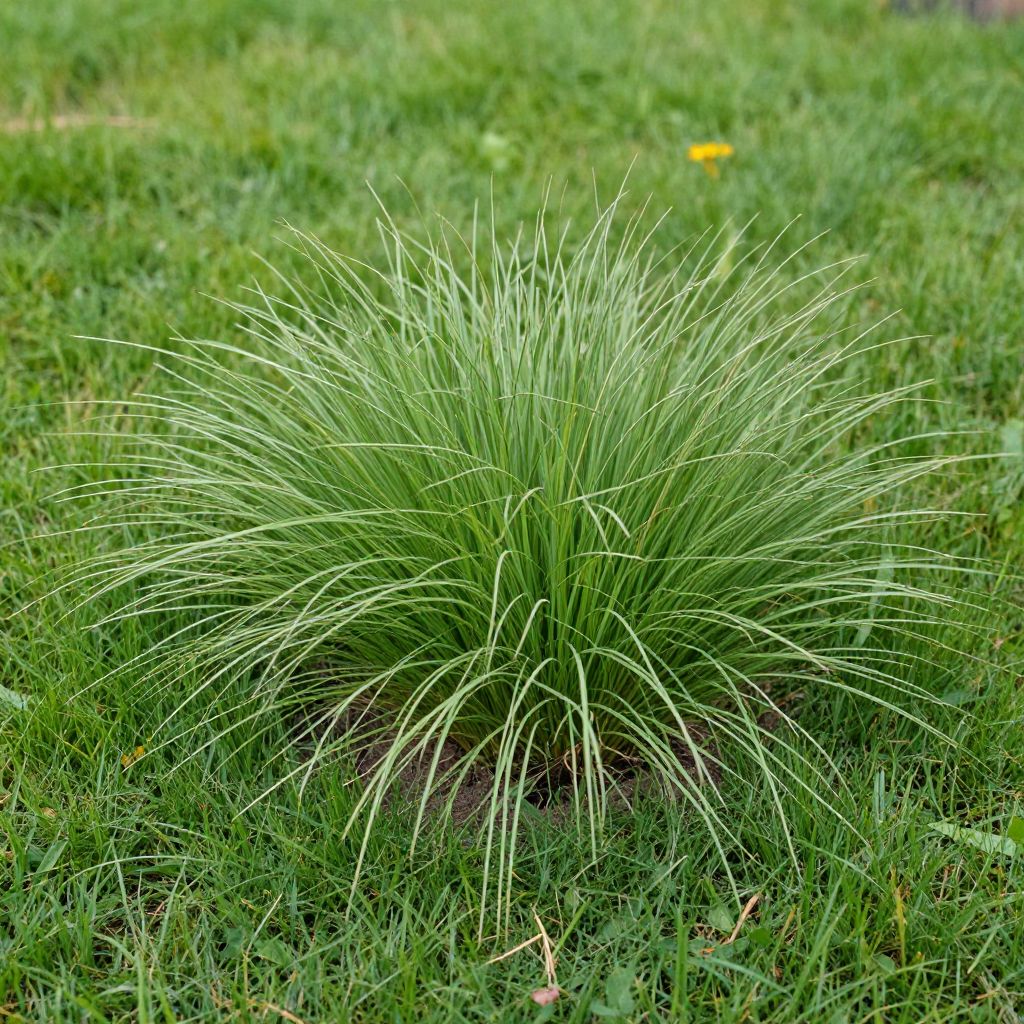
Wondering what does crab grass look like in your lawn or garden bed? Crabgrass is one of the most common summer weeds, and it can be tricky to spot when it first appears because young plants blend in with turf.
The good news is that once you know the key features, crabgrass is fairly easy to identify. The earlier you catch it, the easier it is to remove before it spreads seeds and takes over thin or stressed areas of your lawn.
What does crab grass look like?
Crabgrass is a low-growing annual grass with wide, flat blades that spread outward from a central point like a crab’s legs. It often forms a coarse, sprawling clump in sunny, compacted, or thin turf. The stems can root at nodes, and mature plants may produce finger-like seed heads.
How to identify crabgrass step by step
Crabgrass looks different from most lawn grasses because it grows outward rather than upright. Use these traits together instead of relying on just one clue, since many grassy weeds can look similar at first.
1. Look at the growth habit
- Low and spreading: Crabgrass hugs the ground and forms a flat, open clump.
- Radiating stems: The stems often spread in several directions from the center.
- Fast summer growth: It becomes more noticeable as temperatures rise.
2. Check the leaves
- Broad blades: The leaves are usually wider than many common lawn grasses.
- Light to medium green: Color can vary with stress and fertility.
- Hairy texture: Some crabgrass plants have fine hairs on the leaves or stems.
3. Inspect the stems and nodes
One of the most useful clues is the stem structure. Crabgrass often has flattened stems that can root where they touch moist soil, helping the plant spread across bare spots.
4. Watch for seed heads
Mature crabgrass produces seed heads that look like several narrow “fingers” or spikes radiating from one point. This is one of the easiest ways to confirm the weed later in the season.
Crabgrass vs. lawn grass: what to compare
If you are unsure, compare the weed to the grass you actually want to keep. Crabgrass usually stands out because it grows more aggressively in open spaces and looks coarser than a typical healthy lawn.
- Crabgrass: low, spreading, coarse, often lighter green, with finger-like seed heads.
- Desirable turfgrass: more upright, denser, and usually more uniform in texture.
In thin lawns, crabgrass can be mistaken for the lawn itself, especially when it first germinates. The difference becomes clearer as the plant matures and spreads outward.
When crabgrass shows up and why it spreads
Crabgrass is an annual weed, which means it completes its life cycle in one growing season. It usually germinates when soil warms up, especially in areas with full sun, bare soil, or weak turf cover.
It often appears where grass is stressed by:
- compacted soil
- thin turf
- overwatering or poor drainage
- hot, dry conditions
- frequent foot traffic
Because crabgrass thrives in disturbed soil, the best control is often improving lawn health so weeds have less room to establish.
How to remove crabgrass safely
For small patches, hand-pulling can work well if you remove the entire plant, including the roots. The soil should be slightly moist so the plant comes out more easily.
- Grasp the plant close to the base.
- Pull slowly to lift the roots intact.
- Remove any seed heads before they drop seed.
- Fill the bare spot with soil or overseed with the right grass for your area.
If the patch is larger, repeated mowing and prompt removal before seeding can reduce spread. In lawns, prevention is usually easier than trying to eliminate mature crabgrass after it has already seeded.
Tools that help
- hand weeder or dandelion fork
- gloves
- small trowel for larger roots
- bag for seed heads and pulled plants
How to prevent crabgrass in the future
Healthy turf is the best long-term defense. A dense lawn shades the soil and makes it harder for crabgrass seeds to sprout.
Improve lawn density
- Mow at the correct height for your grass type.
- Overseed thin areas when conditions are right for your region.
- Avoid scalping, which exposes soil and encourages weeds.
Reduce the conditions crabgrass likes
- Loosen compacted soil where possible.
- Water deeply but not constantly, so roots grow stronger.
- Fix drainage issues in low spots.
- Keep bare soil covered with mulch or healthy ground cover.
If you use a pre-emergent weed control product, timing matters and depends on your climate and local soil temperature. Apply it before crabgrass seeds germinate, not after the weed is already visible.
Common mistakes when identifying crabgrass
Many gardeners misidentify crabgrass because several grassy weeds look similar when young. Avoid these common errors:
- Judging by color alone: stressed turf and weeds can both look pale or dull.
- Waiting for seed heads: by then the plant has already spread.
- Pulling only the top growth: roots left behind can allow regrowth in some cases.
- Assuming every low grass is crabgrass: some lawn grasses also spread low, especially in thin spots.
If you are unsure, compare the plant’s growth pattern, leaf width, and seed heads together. That combination is usually more reliable than one feature by itself.
Crabgrass in garden beds and pathways
Crabgrass is not just a lawn problem. It can also appear in mulch beds, vegetable rows, cracks in paths, and around landscape edges where soil is exposed.
In these areas, removal is usually easiest when the soil is moist and the plants are still young. A 2- to 3-inch layer of mulch can help suppress new weeds in beds, but keep mulch pulled slightly back from plant stems.
What to do if you keep seeing crabgrass every year
Repeated crabgrass problems usually mean the site has ideal conditions for it. Focus on the underlying issue rather than only pulling plants each season.
- Thin lawn? Overseed or repair bare areas.
- Compacted soil? Aerate when appropriate for your turf type.
- Too much sun on bare soil? Add mulch, ground cover, or thicker turf.
- Poor drainage? Regrade or improve runoff where possible.
In many yards, a combination of better mowing, stronger turf, and fewer bare spots makes the biggest difference over time.
Quick identification checklist
- Low, spreading clump
- Wide, coarse blades
- Stems that spread outward from the center
- Possible rooting at nodes
- Finger-like seed heads later in the season
If you see most of these traits, you are probably looking at crabgrass.
For more help with lawn weeds and seasonal care, you may also want to read related guides on lawn maintenance and weed prevention before the next warm spell arrives.