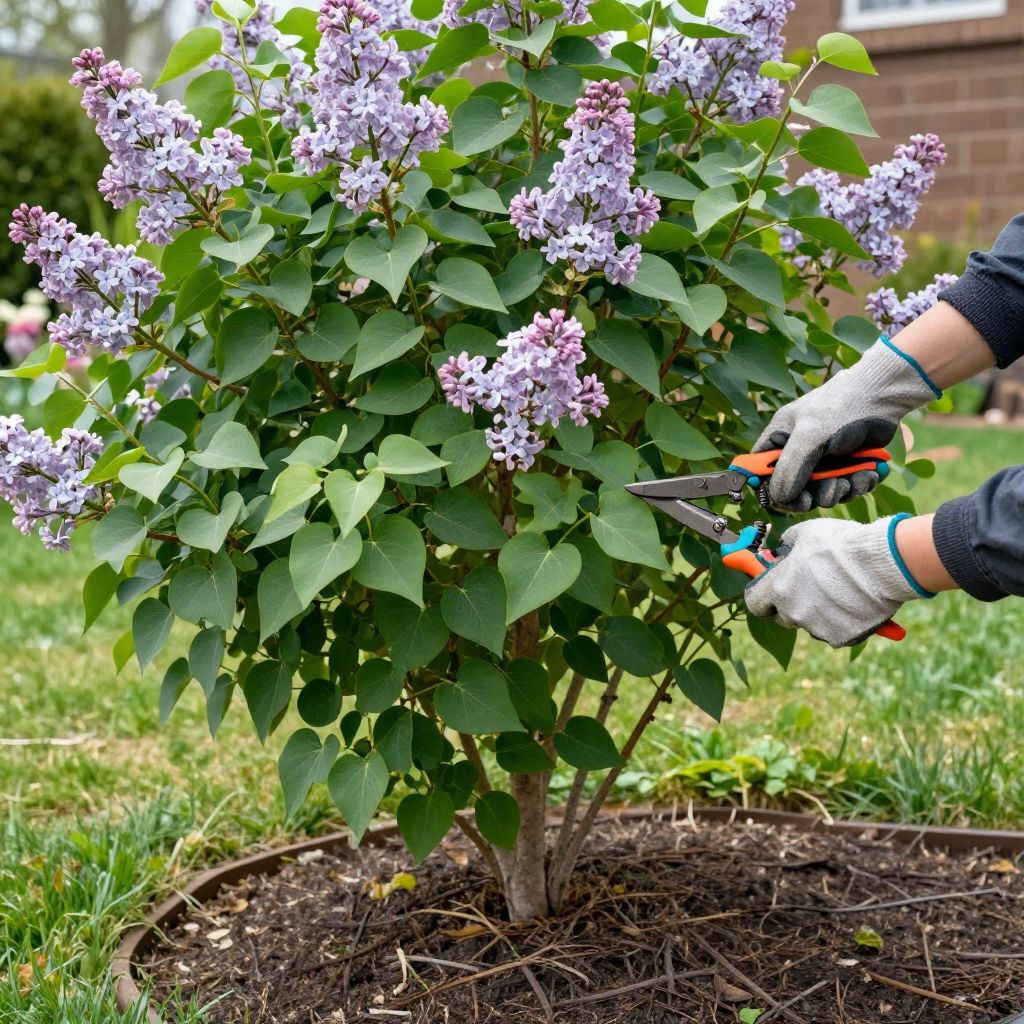
Wondering when to trim lilac bushes so you don’t sacrifice next spring’s flowers? Timing matters with lilacs because they set their flower buds on old wood. Prune at the wrong time, and you can remove the buds that would have bloomed next year.
The good news is that lilacs are easy to manage once you know the right window. With a little seasonal timing and the right cuts, you can keep shrubs healthy, shapely, and flowering well for years.
When to trim lilac bushes?
The best time to trim lilac bushes is right after they finish flowering, usually in late spring or early summer. That gives the plant time to grow new shoots and set next year’s flower buds. Avoid heavy pruning in late summer, fall, or winter if you want blooms the following season.
Why timing matters for lilac pruning
Common lilacs (Syringa vulgaris) and most other lilacs bloom on wood that grew the previous year. If you prune after buds have formed, you may remove the flower display before it ever opens.
That is why lilac pruning is different from many shrubs that can be cut back in winter or early spring. For lilacs, prune after bloom, not before it.
What happens if you trim at the wrong time?
- Winter pruning can remove flower buds and reduce or eliminate spring bloom.
- Late-summer pruning may also cut off next year’s buds.
- Heavy fall pruning can encourage tender new growth that may be damaged by cold.
Best season for different lilac pruning jobs
Not every cut has the same timing. Light grooming, deadheading, and rejuvenation pruning each have their own best window.
1. Light shaping
Do light shaping immediately after flowering. This is the safest time to shorten a few overlong stems, remove awkward growth, and keep the shrub tidy without sacrificing next year’s bloom.
2. Deadheading spent flowers
Once the flower clusters fade, you can snip off the spent blooms. Cut just above the first pair of leaves or a healthy side shoot. This improves appearance and can help the plant put energy into growth rather than seed production.
3. Renewal or rejuvenation pruning
If your lilac is old, crowded, or flowering poorly, the best time to start renewal pruning is still right after bloom. You can remove one-third of the oldest stems at the base each year for several years rather than cutting everything down at once.
How to trim lilac bushes step by step
Use clean, sharp tools and make each cut with a purpose. A careful pruning session is usually enough to improve shape and flowering.
- Wait until flowering is finished. Trim after the last blooms fade, not while the shrub is still in flower.
- Remove dead, damaged, or diseased wood first. Cut stems back to healthy tissue or to the base if they are dead.
- Cut off spent flower heads. Make cuts just above a pair of leaves or a strong side shoot.
- Thin crowded stems. Remove a few of the oldest canes at ground level to improve air circulation and light.
- Shorten errant branches sparingly. Trim back long shoots to a side branch rather than shearing the whole shrub.
- Step back and check the shape. Lilacs look best when they keep a natural form, not a clipped hedge outline.
How much should you remove?
For routine pruning, remove only a modest amount of growth. If the shrub needs major renovation, spread the work over several seasons. Taking off too much at once can stress the plant and reduce flowering.
As a general rule, avoid removing more than about one-third of the oldest stems in a single year when rejuvenating an established lilac.
Tools you need for pruning lilacs
Simple tools are usually enough for home gardeners. The right tool makes cleaner cuts and lowers the risk of spreading disease.
- Hand pruners for small stems and spent flower clusters
- Loppers for thicker canes
- A pruning saw for old, woody stems that are too large for loppers
- Disinfectant or rubbing alcohol for cleaning blades between cuts if disease is present
Keep blades sharp. Ragged cuts heal more slowly and can invite pests or disease.
How to prune an overgrown lilac bush
If your lilac has become tall, sparse, or woody at the base, renewal pruning is usually better than a hard shearing. Lilacs respond best to selective thinning.
Renewal pruning plan
- After bloom, choose the oldest, thickest stems.
- Cut those stems to the ground.
- Leave younger, vigorous stems in place.
- Repeat over 2 to 3 years until the shrub is renewed.
This approach keeps some flowers each year while encouraging fresh growth from the base. It is slower than drastic pruning, but it is much safer for the plant.
Can you cut a lilac all the way back?
You can, but it is usually a last resort. Severe cutbacks may leave you with few or no blooms for a season or two. If the shrub is badly neglected, diseased, or misshapen, gradual renewal is usually the better choice.
Common pruning mistakes to avoid
Most lilac pruning problems come from either cutting at the wrong time or cutting too much.
- Shearing like a hedge can create a dense outer shell with few flowers inside.
- Pruning in winter or early spring often removes next year’s flower buds.
- Leaving dead wood in place can invite pests and make the shrub look neglected.
- Overcrowding the center reduces air movement and can encourage disease.
- Removing too many old stems at once can shock an older shrub.
What if your lilac isn’t blooming well?
Poor bloom is not always a pruning problem, but pruning timing is one of the first things to check. If you trimmed in fall, winter, or early spring, that may explain the missing flowers.
Other common reasons include too much shade, overly rich nitrogen-heavy fertilizer, or a shrub that is simply aging and crowded. Lilacs bloom best with full sun and good air circulation.
Quick troubleshooting checklist
- Did you prune after bloom, or too late in the season?
- Is the shrub getting at least 6 hours of direct sun?
- Is the plant crowded by trees, fences, or nearby shrubs?
- Are there many old, woody stems that need renewal pruning?
- Is the soil draining well, rather than staying wet?
Growing conditions that support better lilac pruning results
Pruning works best when the plant is already growing in a suitable site. Healthy lilacs recover from cuts more quickly and flower more reliably.
Sunlight
Lilacs need full sun for the best bloom. In partial shade, they may grow, but flowering often becomes sparse. If your shrub is shaded by nearby trees, pruning alone may not solve the problem.
Soil and drainage
Lilacs prefer fertile, well-drained soil. They dislike soggy ground. If the planting site stays wet after rain, roots can struggle and the shrub may decline over time.
Mulch and compost
A light layer of organic mulch can help conserve moisture and moderate soil temperature. Keep mulch a few inches away from the stems. If the soil is poor, a modest topdressing of compost can help, but avoid overfeeding with high-nitrogen fertilizer, which can push leafy growth at the expense of blooms.
Pests and diseases to watch for after pruning
Pruning wounds are usually not a big problem for healthy lilacs, but it is still smart to watch for issues, especially on older shrubs.
- Powdery mildew can appear as a white coating on leaves, especially in crowded plantings with poor airflow.
- Borer damage may cause wilting stems or dieback.
- Leaf spots can show up in wet or humid conditions.
If you notice disease, remove affected stems carefully and clean your tools before moving to another plant. Good spacing, sunlight, and selective thinning help reduce future problems.
Can you propagate lilacs from pruned stems?
Sometimes you can use healthy pruned stems for propagation, though success varies. Soft, flexible shoots are more suitable for cuttings than old woody stems. If you want to try it, take healthy material from vigorous growth and follow a propagation method suited to your climate and season.
For most home gardeners, pruning is best used for shaping and renewal, while propagation is a separate project.
Quick answer: the best pruning calendar for lilacs
- After bloom: best time for shaping, deadheading, and thinning
- Summer after flowering: still acceptable for light pruning if done soon enough
- Fall and winter: avoid if you want spring flowers
- Early spring: avoid major pruning because flower buds are already set
Conclusion
If you remember one thing about when to trim lilac bushes, make it this: prune right after flowering. That timing protects next year’s blooms while giving you a chance to shape the shrub, remove dead wood, and renew old stems. Take a few minutes after bloom each year, and your lilac will stay healthier and more productive.
For more practical shrub care and pruning guidance, you may also want to read related gardening articles on seasonal pruning and flowering shrubs.