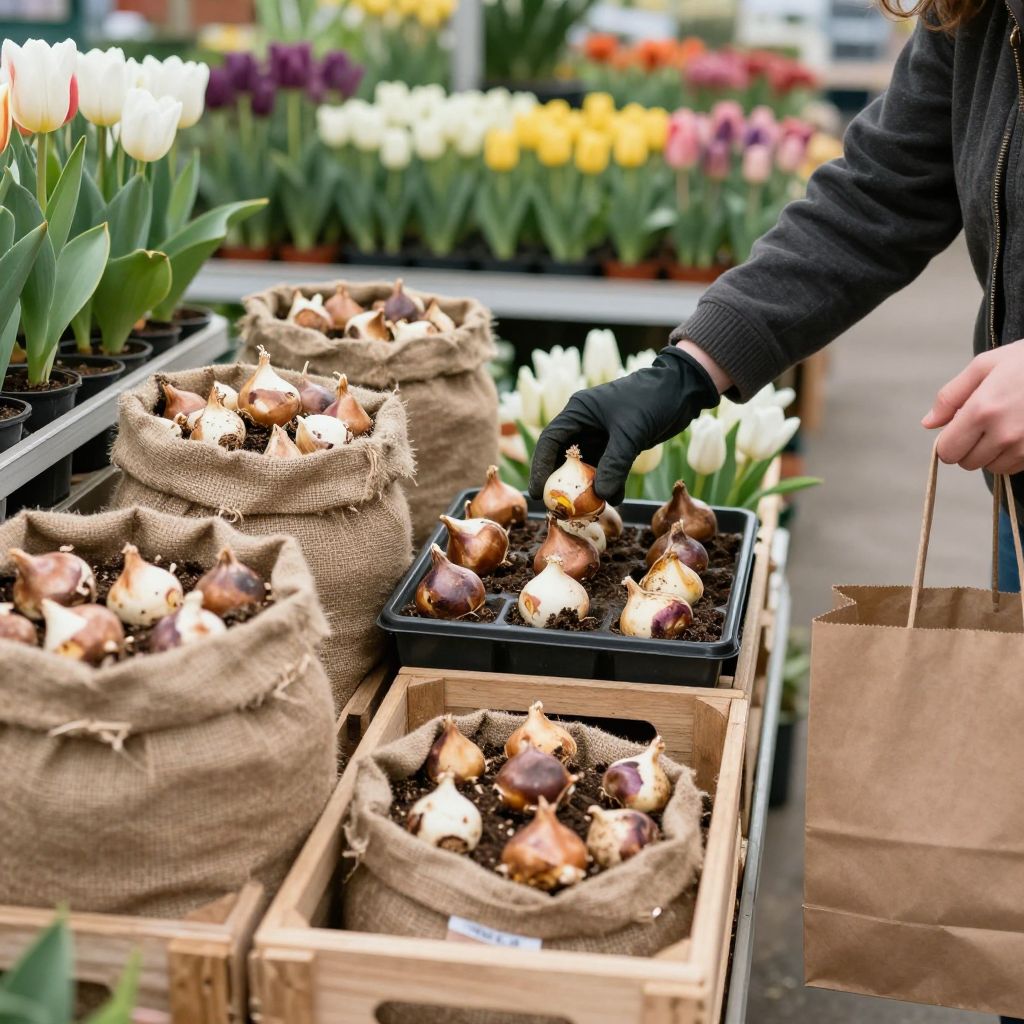
Where to buy tulips depends on whether you want the best bulb selection, the healthiest stock, or the easiest shopping experience. The good news is that tulips are widely available from garden centers, mail-order bulb specialists, and reputable online retailers, so you can choose based on variety, timing, and quality rather than just convenience.
If you buy carefully, you’ll get firmer bulbs, better bloom performance, and fewer problems with rot or weak flowering. The key is knowing what to look for, when to shop, and how to handle tulip bulbs once they arrive.
Where to buy tulips?
You can buy tulip bulbs from local garden centers, independent nurseries, big-box stores, mail-order bulb companies, and reputable online plant retailers. For the best results, choose firm, dry bulbs from a trusted source, and shop as early as possible in the planting season so you get the widest selection and the freshest stock.
Best places to buy tulip bulbs
Local garden centers and nurseries
Local garden centers are often the easiest place to buy tulips if you want to inspect bulbs before purchasing. You can check size, firmness, and packaging date, and staff may also know which varieties perform well in your area.
Independent nurseries are especially useful if you want better-quality bulbs or more unusual cultivars. Their selection is sometimes smaller than a big retailer’s, but the bulbs are often stored and handled more carefully.
Big-box stores and home improvement centers
These stores can be a convenient option for common tulip varieties at a lower price. They are best for gardeners who want a straightforward planting project and do not need specialty cultivars.
Check the bulbs closely before buying. Avoid packages with mold, soft spots, shriveled bulbs, or excessive sprouting, since those bulbs may struggle after planting.
Mail-order bulb specialists
Mail-order bulb companies are often the best choice if you want the broadest range of tulip types, including early, midseason, late, species tulips, and multi-flowering selections. These companies usually ship at the proper planting time for your region.
This option is especially helpful if you are planning a larger display or want specific colors for borders, containers, or naturalized plantings. The tradeoff is that you cannot inspect the bulbs in person before ordering.
Reputable online retailers
Online retailers can be a good source if they specialize in bulbs and have clear photos, variety names, and shipping details. Look for sellers that list bulb size, origin, and planting guidance rather than vague product descriptions.
Be cautious with marketplaces where multiple sellers list the same product. Tulip bulbs are seasonal, and quality can vary widely if the seller is not a specialist.
How to choose healthy tulip bulbs
Healthy tulip bulbs should feel firm and dry, with papery skins intact and no sign of rot. Larger bulbs usually produce stronger flowers, though smaller species tulips can still be excellent if they are fresh and healthy.
- Choose firm bulbs that do not collapse when gently squeezed.
- Look for dry outer skins and a clean, unblemished base.
- Avoid bulbs with mold, mushy spots, or a sour smell.
- Skip bulbs that are heavily sprouted unless you can plant them immediately.
- Check the label for the tulip type, bloom time, and approximate size.
If a package feels unusually light or the bulbs look desiccated, they may have been stored too long. Freshness matters because tulip bulbs are living storage organs, and poor storage can reduce flowering.
When to buy tulips
The best time to buy tulip bulbs is usually late summer through fall, before your local planting window closes. Shopping early gives you the best selection, while waiting too long can mean fewer varieties and more depleted stock.
In many climates, tulips are planted in fall once temperatures cool and the soil is no longer hot. Since timing varies by region, buy bulbs in advance and then plant according to your local conditions rather than a fixed calendar date.
Why timing matters
Tulips need a period of cool conditions to root well before winter or the next growing season. If bulbs sit too long in warm, damp storage, they can dry out, sprout too early, or begin to rot.
Once you purchase them, store bulbs in a cool, dry, well-ventilated place until planting. Do not keep them in sealed plastic bags where condensation can build up.
How to buy tulips for your garden style
For borders and beds
Choose tulips with similar bloom times if you want a coordinated display. Mixing early, midseason, and late varieties can extend the flowering period, but grouping by timing often creates a stronger visual effect.
For a classic spring bed, buy enough bulbs to plant in clusters rather than single rows. Tulips usually look best in drifts, groups, or repeated patches.
For containers
Look for compact tulips or varieties suited to pots, and make sure the container has drainage holes. Container-grown tulips dry out faster than in-ground plantings, so healthy bulbs and well-draining potting mix matter even more.
Buy a few extra bulbs for containers, since tight planting often creates a fuller display. Just be sure the pot is deep enough for proper root development.
For naturalizing
If you want tulips to return in the garden over time, look for species tulips or perennializing types rather than assuming all tulips will reliably repeat. Many modern hybrid tulips perform best as seasonal displays and may decline after the first year.
Read the label carefully and choose bulbs described as suitable for naturalizing if that is your goal.
What to ask before you buy
Whether you shop in person or online, a few simple questions can help you avoid disappointment. Good sellers should be able to tell you the bulb size, variety name, shipping timing, and whether the bulbs are intended for fall planting in your region.
- Are these bulbs fresh for the current season?
- What is the bulb size or grade?
- When will they ship, and how are they packaged?
- Are they suitable for my climate and planting window?
- Is the variety better for beds, containers, or naturalizing?
If the seller cannot answer basic questions, that is a warning sign. Tulips are not difficult to grow, but good planting material makes a major difference.
How to plant tulips after buying them
After you buy tulips, plant them as soon as conditions are suitable. Tulips prefer well-drained soil, full sun to light shade, and a planting depth that protects the bulb from temperature swings and drying out.
- Choose a site with at least partial sun and good drainage.
- Loosen the soil and mix in compost if the soil is poor, but avoid overly rich, wet ground.
- Plant bulbs pointed end up, usually about 2 to 3 times as deep as the bulb is tall.
- Space bulbs so they are not crowded, unless you are intentionally planting a dense container display.
- Water once after planting if the soil is dry, then let seasonal moisture do the rest unless conditions are unusually dry.
Drainage is critical. Tulips are far more likely to fail in heavy, soggy soil than in slightly dry soil. If your garden stays wet, raise the bed or plant in a better-drained spot.
Common mistakes when buying tulips
Buying too late
Late shoppers often find fewer varieties and older bulbs. If you wait until the end of the season, you may still find usable bulbs, but selection and quality may be reduced.
Choosing by price alone
The cheapest bulbs are not always the best value. Poorly stored bulbs may be soft, damaged, or less likely to bloom well, which can cost more in the long run.
Ignoring your climate
Some tulips perform better in cooler climates, while others are more likely to repeat or naturalize. If you garden in a warmer region, choose bulbs and planting strategies suited to your local conditions rather than assuming every tulip will behave the same way.
Overlooking drainage
Even excellent bulbs can fail in soil that stays wet. If your site is heavy clay or prone to puddling, improve the planting area before you buy a large number of bulbs.
How to store tulip bulbs before planting
If you cannot plant immediately, store tulip bulbs in a cool, dry, airy place. A basement shelf, garage corner, or ventilated indoor space often works better than a warm kitchen or sealed bag.
- Keep bulbs out of direct sun.
- Avoid dampness and condensation.
- Do not store near ripening fruit, which can shorten bulb life.
- Check occasionally for mold or softening.
If bulbs begin to sprout before planting, move quickly. Plant them as soon as the soil is workable and conditions are appropriate for your area.
Troubleshooting after purchase
Bulbs arrive soft or moldy
Contact the seller promptly with photos. Reputable suppliers usually have a replacement or refund policy for damaged bulbs. Do not plant bulbs that are badly rotted, since they are unlikely to recover.
Bulbs are small
Small bulbs may still bloom, but they may produce smaller flowers or fewer blooms the first year. If the bulbs are otherwise healthy, plant them and give them good conditions rather than discarding them automatically.
Nothing blooms in spring
Common causes include shallow planting, poor drainage, premature foliage removal, or bulbs that were weak when purchased. Tulips also need enough stored energy to flower, so bulb quality at purchase matters.
Simple buying checklist
Before you leave the store or click “buy,” use this quick checklist to avoid common problems:
- Buy from a reputable source with clear variety information.
- Choose firm, dry bulbs with intact skins.
- Match the tulip type to your planting goal.
- Confirm your local planting window.
- Have a well-drained planting spot ready.
Conclusion
If you are wondering where to buy tulips, start with a trusted garden center or a reputable bulb specialist, then choose bulbs that are firm, fresh, and suited to your garden conditions. Buy early, inspect carefully, and plant in well-drained soil for the best spring display. If you want more help planning your spring garden, you may also find related bulb and planting guides useful, such as planting bulbs correctly and growing tulips successfully.