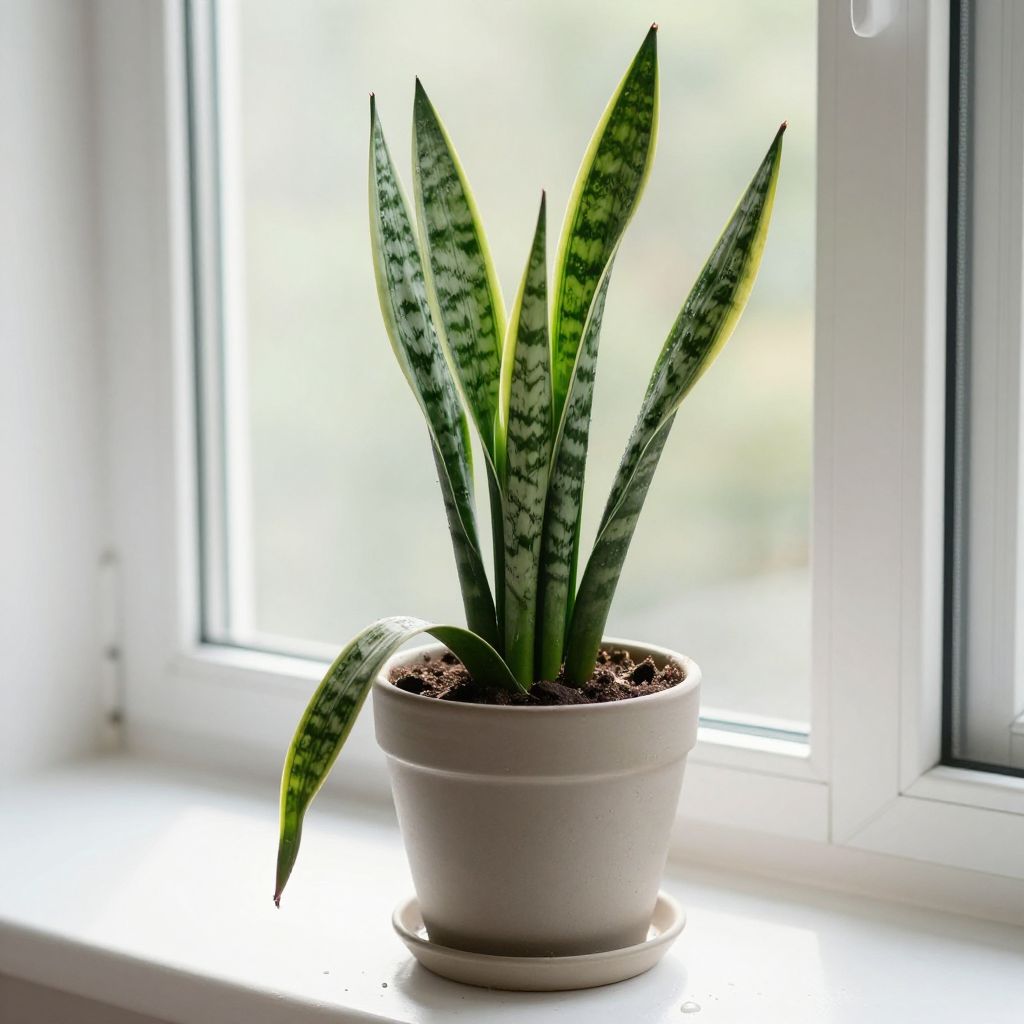
Why is my snake plant drooping? In most cases, the problem comes down to water stress, poor drainage, low light, or root trouble. Snake plants are tough, but they still need the right balance of moisture, light, and potting mix to keep their upright, stiff leaves looking healthy.
The good news is that drooping is often fixable once you identify the cause. By checking the soil, roots, pot, and light conditions, you can usually tell whether your plant needs less water, a fresh mix, more light, or a rescue from rot or pests.
Why is my snake plant drooping?
Snake plant leaves droop when the plant is stressed, most often from overwatering, underwatering, compacted or soggy soil, insufficient light, root damage, or cold exposure. Start by feeling the soil and inspecting the base of the plant. The texture of the leaves and the condition of the roots usually point to the real cause.
Common causes of drooping snake plant leaves
1. Overwatering and root rot
This is the most common reason a snake plant droops indoors. If the soil stays wet for too long, the roots lose oxygen and begin to rot, which prevents the plant from supporting its leaves.
Signs of overwatering include:
- Soft, mushy, or yellowing leaves
- Leaves that fold, bend, or collapse near the base
- Soil that feels wet days after watering
- A musty smell from the pot
Fix: Stop watering right away. If the soil is soggy, remove the plant from the pot and inspect the roots. Healthy roots are firm and pale; rotting roots are brown, black, or mushy. Trim away damaged roots with clean scissors, then repot in fresh, fast-draining cactus or succulent mix.
2. Underwatering
Snake plants tolerate dry conditions, but they can still droop if they go too long without water. Underwatered leaves usually look wrinkled, thin, or slightly curled rather than soft and mushy.
Signs of underwatering include:
- Dry potting mix pulling away from the pot edges
- Leaves that feel limp, thin, or slightly shriveled
- Brown, crispy tips or edges
- Very light pot weight when lifted
Fix: Water thoroughly until excess drains from the bottom, then empty the saucer. After that, let the soil dry out completely before watering again. Do not give small frequent sips; snake plants do better with a full soak followed by a dry period.
3. Poor drainage or the wrong soil
Even a careful watering routine can fail if the potting mix holds too much moisture. Heavy garden soil, dense all-purpose potting soil, or a pot without drainage holes can keep roots wet for too long.
Good snake plant soil should be airy and fast-draining. A mix made for succulents works well, and you can improve it further with perlite, pumice, or coarse sand if needed.
Fix: Repot if the mix stays wet for more than several days after watering. Choose a container with drainage holes and a pot only slightly larger than the root ball. A pot that is too large can hold excess moisture and increase the risk of rot.
4. Not enough light
Snake plants can survive in low light, but they grow stronger and more upright in bright, indirect light. In dim corners, the leaves may stretch, weaken, and begin to lean or droop.
Signs of low light include:
- Long, floppy, or leaning leaves
- Slow growth
- Pale coloring or loss of leaf pattern
- Plant leaning toward a window
Fix: Move the plant to a brighter spot with filtered light, such as near an east-facing window or a few feet back from a south- or west-facing window. If you move it into stronger light, do so gradually over a week or two to avoid sun scorch.
5. Cold stress or drafts
Snake plants prefer warm indoor conditions and can droop after exposure to cold windows, drafty doors, or chilly outdoor temperatures. Sudden temperature swings can damage tissues and make leaves bend or soften.
Watch for drooping after:
- A cold night near a window
- Placement near an air conditioner or heating vent
- Moving the plant outdoors too early in spring
Fix: Keep the plant in a stable, warm location away from drafts. If it has been outdoors, bring it inside before temperatures drop below what the plant can tolerate in your area. Avoid placing it directly against cold glass in winter.
6. Rootbound conditions
A snake plant that has filled its pot with roots may start to lean, droop, or dry out too quickly. In a crowded pot, roots can circle tightly and the plant may become unstable.
Signs of a rootbound plant include:
- Roots growing through drainage holes
- Soil drying very quickly after watering
- Leaves crowding and tipping outward
- Pot bulging or cracking in severe cases
Fix: Repot into a container one size larger, using fresh, well-draining mix. If the clump is very dense, you can divide it during repotting and replant the sections separately.
7. Pests or disease
Snake plants are fairly pest-resistant, but mealybugs, scale, and occasionally fungus issues can weaken the plant enough to cause drooping. Damaged roots or stems may also lead to collapse.
Check for:
- Cottony white clusters in leaf joints
- Small brown bumps on leaves or stems
- Sticky residue
- Soft, discolored base tissue
Fix: Isolate the plant, remove visible pests with a cotton swab dipped in rubbing alcohol, and wipe leaves clean. If rot is present, cut away affected tissue and repot in fresh mix. Severe infestations may require repeated treatment and close monitoring.
How to diagnose the problem step by step
If you are unsure why your snake plant is drooping, use this simple check. It helps you avoid guessing and treating the wrong issue.
- Feel the soil. Wet soil points to overwatering or poor drainage. Bone-dry soil points to underwatering.
- Look at the leaves. Soft and yellowish usually means too much water; thin and wrinkled usually means too little.
- Check the pot. Make sure it has drainage holes and is not oversized.
- Inspect the roots. If the plant is declining, gently remove it from the pot and examine the root system.
- Review light and temperature. Think about recent changes in window placement, drafts, or outdoor exposure.
What to do if your snake plant is drooping
If the soil is wet
- Stop watering immediately.
- Remove the plant from the pot if needed.
- Trim rotten roots with sterilized scissors.
- Let the root ball dry briefly before repotting.
- Repot in dry, well-draining soil.
If the soil is dry
- Water deeply until liquid drains out the bottom.
- Empty the saucer so roots do not sit in water.
- Check again after a few days to make sure the plant perks up.
- Adjust future watering based on soil dryness, not the calendar.
If the plant is in low light
- Move it closer to bright, indirect light.
- Rotate the pot every couple of weeks so it grows evenly.
- Avoid sudden exposure to intense direct sun.
If the plant is rootbound
- Repot into a slightly larger container.
- Refresh the soil with a gritty, fast-draining mix.
- Divide crowded clumps if you want new plants.
How to prevent snake plant drooping
Prevention is mostly about consistency and drainage. Snake plants do best when their roots can dry out between waterings and when they receive enough light to stay sturdy.
- Use a pot with drainage holes.
- Choose a gritty, fast-draining mix.
- Water only when the soil is dry several inches down.
- Keep the plant in bright, indirect light.
- Avoid heavy, frequent watering in cool or low-light months.
- Protect the plant from cold drafts and sudden temperature shifts.
In winter, indoor snake plants usually need less water because growth slows. In brighter, warmer seasons, they may dry faster. Always check the soil before watering rather than following a fixed schedule.
Can a drooping snake plant recover?
Yes, often it can. Recovery depends on how much root damage has occurred and how quickly you correct the problem. A plant with mild underwatering or low light may perk up within days to weeks. A plant with severe rot may need pruning, repotting, and time to rebuild healthy roots.
Do not expect damaged leaves to straighten completely if they have been bent for a long time. New growth is the best sign that the plant is recovering.
Pruning and propagation after damage
If some leaves are badly bent, soft, or rotting, you can remove them with clean, sharp pruners at the base. This helps the plant redirect energy to healthy growth and improves airflow around the crown.
If the plant has healthy sections left, you can also propagate snake plant leaves or divide the clump during repotting. Division is usually the most reliable method for keeping the same upright form, especially if the plant has become crowded or unstable.
When to worry
Act quickly if the drooping is accompanied by blackened base tissue, a foul smell, widespread mushiness, or rapid collapse. Those signs often mean advanced rot, and the plant may need immediate root cleanup or stem division to save healthy portions.
If the plant is only mildly drooping and the soil, roots, and light are otherwise okay, give it time after making one change at a time. Snake plants respond slowly, so steady improvement is more realistic than overnight recovery.
If you want to keep learning about indoor plant care, related topics like how to repot houseplants correctly and how to fix overwatered succulents can help you avoid the most common mistakes that cause drooping.