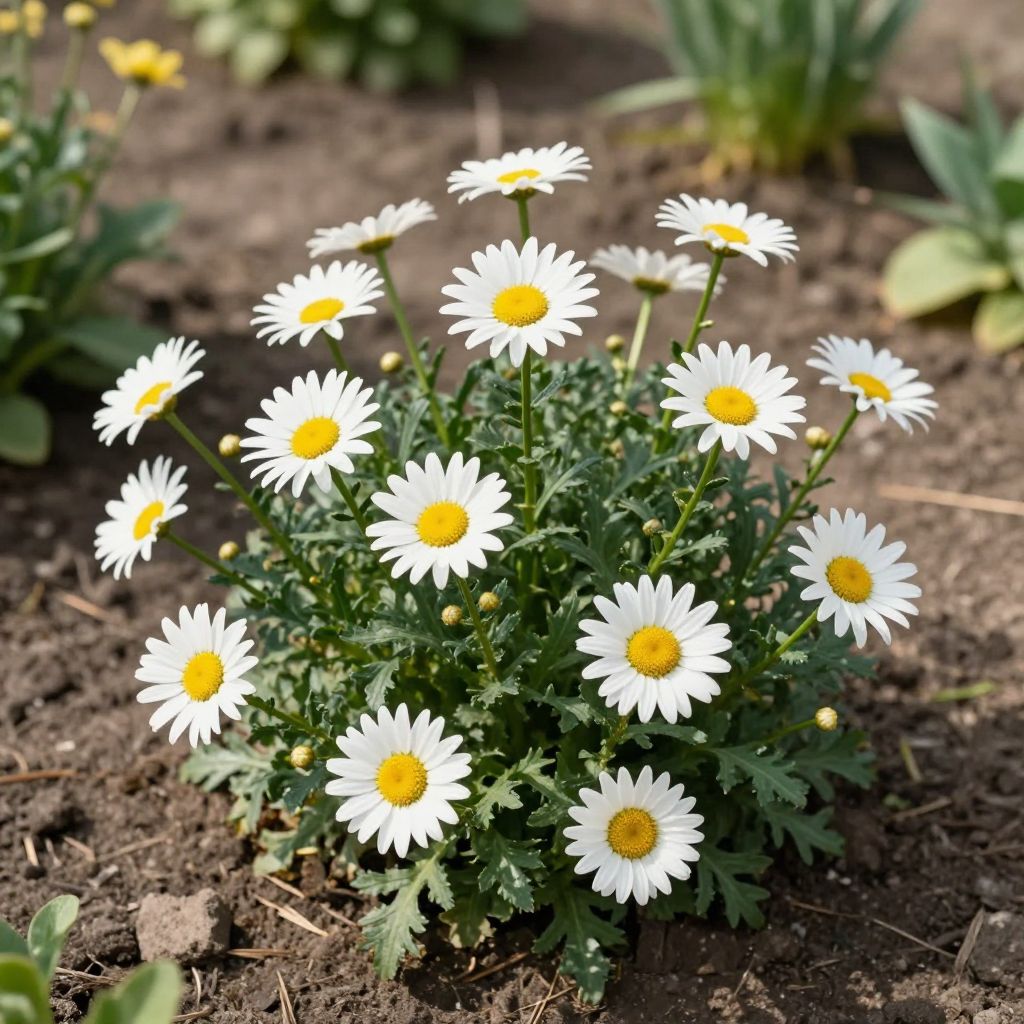
When do daisies bloom? The short answer is: it depends on the type of daisy, your climate, and how established the plant is. Many garden daisies flower from late spring into summer, while some continue into early fall if conditions stay mild and you deadhead spent blooms.
If you want the longest display, match the daisy to your local weather and give it full sun, well-drained soil, and steady care. A healthy plant often blooms more reliably and for longer than one growing in shade, soggy ground, or poor soil.
When do daisies bloom?
Most daisies bloom in late spring through summer, with some varieties starting earlier or continuing into fall. The exact bloom window depends on the species, your USDA zone or local climate, and whether the plant is grown as a perennial, biennial, or annual.
Typical bloom timing by common daisy types
- Shasta daisy (Leucanthemum × superbum): usually early summer to late summer, sometimes longer with deadheading.
- Oxeye daisy (Leucanthemum vulgare): late spring through summer in many regions.
- English daisy (Bellis perennis): often spring and sometimes again in cool weather.
- Gerbera daisy (Gerbera jamesonii): blooms in warm, bright conditions, often spring through fall outdoors in mild climates or as a container plant.
- African daisy (Osteospermum spp.): typically spring to early summer, with repeat bloom in cooler weather.
In general, daisies bloom best when temperatures are moderate. Many types slow down in intense summer heat and may bloom again when nights cool down.
What affects daisy bloom time?
Several growing conditions change when daisies bloom and how long the flowers last. Sunlight, temperature, soil drainage, plant age, and pruning all matter. Even the same plant can bloom at different times from one garden to another.
Sunlight
Daisies usually need full sun for the best flowering, which means about 6 or more hours of direct light daily. In partial shade, they may grow but produce fewer blooms and weaker stems.
Temperature and climate
Cool to moderate temperatures often trigger the strongest bloom display. Hot weather can shorten flowering in some daisy types, especially if the plant is stressed by dry soil or poor drainage.
Plant maturity
Young plants may bloom lightly the first season, then improve as roots establish. Perennial daisies often bloom more heavily in their second year and beyond.
Soil and drainage
Daisies prefer soil that drains well. Heavy, waterlogged ground can reduce blooms and increase root problems. A little compost helps improve soil structure, but avoid making the soil too rich if the plant tends to flop.
How to grow daisies for the best bloom season
If you want reliable flowering, start with the right site and basic maintenance. Daisies are not difficult, but they do best when you avoid the most common mistakes: too much shade, overly wet soil, and neglecting spent flowers.
Planting site
- Choose a sunny location with at least 6 hours of direct sun.
- Make sure the soil drains freely after rain or watering.
- Leave enough space for air movement to help prevent disease.
- Plant at the same depth the nursery pot was growing in.
Soil preparation
Work in a modest amount of compost if your soil is poor or compacted. Aim for loose, crumbly soil rather than rich, heavy soil that stays wet. If your garden has clay soil, consider planting daisies in raised beds or mounded rows for better drainage.
Watering
Water newly planted daisies regularly until established, then water when the top layer of soil begins to dry. Established plants usually prefer even moisture, but they dislike constant wet feet. Water at the base of the plant to keep foliage drier.
Feeding
Too much fertilizer can produce leafy growth with fewer flowers. If your soil is reasonably fertile, a light compost top-dressing in spring is often enough. In poor soil, use a balanced fertilizer only if the plant looks weak and bloom is sparse, and follow the product label.
How to extend the bloom period
You can often keep daisies flowering longer with simple maintenance. The goal is to prevent the plant from putting energy into seed production and to reduce stress from heat, drought, or crowding.
Deadhead spent flowers
Remove faded blooms regularly by cutting the stem back to a healthy leaf or side shoot. This encourages the plant to produce more buds instead of seeds.
Cut back tired stems
If flowering slows in midsummer, trim back leggy growth lightly. This can refresh the plant and sometimes trigger a second flush of blooms, especially in cool-weather periods.
Divide crowded clumps
Perennial daisies can become congested after a few years. Dividing clumps in spring or early fall can improve vigor, airflow, and flowering. Replant only healthy outer sections and discard woody or weak centers.
Mulch carefully
A thin layer of mulch helps conserve moisture and suppress weeds, but keep it a few inches away from the crown. Piling mulch against the stem can invite rot.
Why your daisies may not be blooming
If your daisies are leafy but not flowering, the cause is usually environmental rather than mysterious. The most common reasons are shade, excess nitrogen, poor drainage, or a plant that is still settling in.
Common bloom problems and fixes
- Too little sun: move container plants or transplant garden daisies to a brighter spot.
- Too much nitrogen: reduce high-nitrogen feeding and let the plant balance growth naturally.
- Wet soil: improve drainage or replant in raised beds or containers.
- Overcrowding: divide clumps and thin nearby plants.
- Very young plants: give them time to establish before expecting peak bloom.
- Heat stress: water deeply during dry spells and mulch lightly to protect roots.
Container-grown daisies
Potted daisies can bloom well, but containers dry out faster than garden beds. Use a pot with drainage holes and a quality potting mix. In hot weather, check moisture often because drying stress can shorten bloom time quickly.
Pests and diseases that can reduce flowering
Healthy daisies usually bloom well, but pests and disease can weaken plants and reduce flower production. Catching problems early helps preserve the bloom season.
Common pests
- Aphids: cluster on tender stems and buds; rinse off with water or use insecticidal soap if needed.
- Slugs and snails: chew leaves and young growth, especially in damp areas; hand-pick or use barriers and traps.
- Spider mites: may appear in hot, dry conditions; increase watering consistency and rinse foliage carefully.
Common diseases
- Powdery mildew: white coating on leaves, often in humid or crowded plantings; improve airflow and avoid overhead watering.
- Root rot: caused by poorly drained soil; the best fix is prevention through better drainage.
- Leaf spots: can worsen in wet foliage and poor circulation; remove affected leaves and keep the base of the plant dry.
How to propagate daisies for more blooms later
Propagation can help you keep strong plants in the garden and replace older clumps. The best method depends on the type of daisy you grow.
Division
Many perennial daisies are easiest to propagate by division. Dig up the clump, separate healthy sections with roots attached, and replant them promptly. Water well after transplanting.
Seed
Some daisies can be grown from seed, but bloom time from seed is usually later than from established plants. Read the packet carefully, since some types need light to germinate while others need cooler conditions.
Cuttings
Some daisy relatives can be started from cuttings, but this is less common for the average home gardener. If you are unsure, division is usually the simplest and most reliable method for perennial types.
Seasonal care calendar for daisy blooms
A simple seasonal routine helps you predict and support bloom time. Adjust the timing to your local climate, since spring may arrive much earlier or later depending on where you garden.
Spring
- Remove winter damage and old stems.
- Divide crowded clumps if needed.
- Feed lightly with compost if soil is poor.
- Watch for new growth and early buds.
Summer
- Deadhead regularly to keep flowers coming.
- Water during dry spells, especially in containers.
- Provide support if tall stems flop.
- Monitor for mildew and pests in warm weather.
Fall
- Enjoy late blooms where climate allows.
- Cut back spent growth if the plant is finished flowering.
- Mulch lightly in colder regions after the ground cools.
When to expect blooms after planting
If you planted daisies recently, bloom timing depends on whether they were bought as nursery plants or started from seed. Nursery transplants may flower the same season, while seed-grown plants often take longer.
What to expect
- Transplants: may bloom within weeks or later in the same season if planted at the right time.
- Seed-grown annuals: often bloom later in the season after enough growth.
- Perennials: may bloom lightly the first year and more heavily after establishment.
Do not panic if a new daisy focuses on roots first. A plant that settles in well this season often blooms more strongly next season.
Conclusion
When do daisies bloom? Most bloom from late spring through summer, with some types flowering into fall when the weather is mild. To get the best display, give them full sun, well-drained soil, moderate watering, and regular deadheading. If you want to improve bloom time in your own garden, start by checking sunlight and drainage today.
For more practical flower care, you may also want to read about how to deadhead flowers for longer bloom and choosing the best sunny spots for perennials.