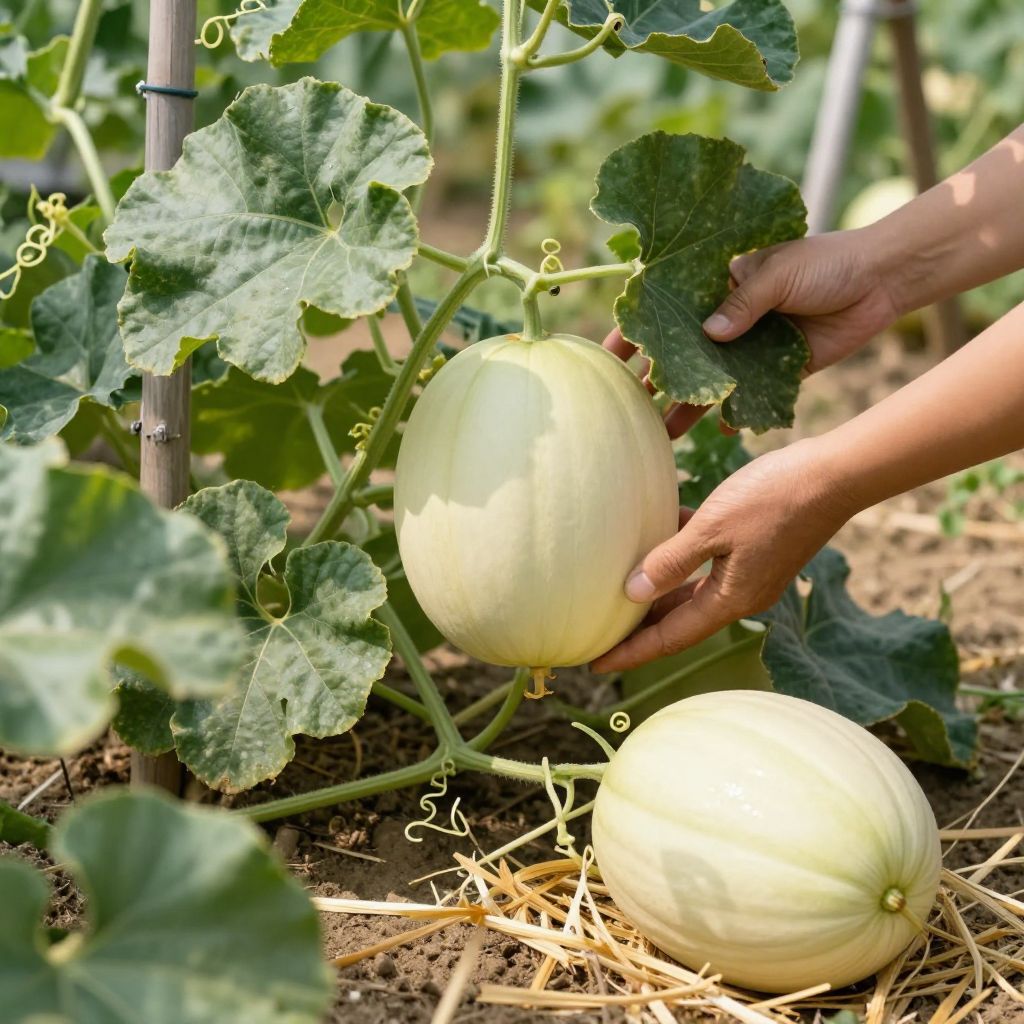
Wondering when is honeydew in season, and how to tell when the melons are truly ready? Honeydew is a warm-season crop, so its best flavor depends on heat, sunshine, and enough time on the vine. The exact season varies by region, but the harvest window is usually late summer into early fall in many gardens.
If you grow honeydew yourself, timing matters even more than with store-bought fruit. A melon picked too early will stay bland, while one left too long can split or soften. Knowing the season, growing conditions, and ripeness cues helps you get sweet, fragrant fruit at the right moment.
When is honeydew in season?
Honeydew is typically in season from late summer through early fall in temperate climates, with local harvests often peaking after several weeks of hot weather. In warmer regions, the season can begin earlier and last longer. Homegrown fruit is ready when the rind changes from greenish to creamy and the blossom end gives slightly.
What affects honeydew season in your garden?
Honeydew melon (Cucumis melo) is a heat-loving vine that needs a long, warm growing period to produce quality fruit. The calendar matters less than your local temperatures, frost dates, and how quickly the vines mature.
Climate and frost dates
Honeydew grows best when daytime temperatures are warm and nights are mild. It is sensitive to frost, and cool weather slows growth, delays flowering, and reduces sweetness.
- Short-season climates: You may need to start seeds indoors or choose the earliest-maturing types available locally.
- Long, hot summers: Plants often set and ripen fruit more reliably, with harvest extending later into the season.
- Cool summers: Fruit may form, but ripening can be slow and flavor may be less developed.
Variety and maturity time
Different honeydew varieties mature at different rates. Seed packets and nursery labels often list days to harvest, but that number is only a guide. Weather, soil warmth, and plant stress can speed up or delay ripening.
If your growing season is short, choose varieties described as early or quick-maturing. In longer seasons, you have more flexibility, but you still need to watch the fruit closely near the expected harvest window.
How to grow honeydew for the best seasonal harvest
For reliable harvests, give honeydew full sun, warm soil, and steady moisture. The vine needs room to spread, and the fruit quality improves when the plant grows vigorously without stress.
Site and soil
Choose a spot with at least 6 to 8 hours of direct sun each day. Honeydew prefers fertile, well-drained soil that holds moisture without staying soggy.
- Work in compost before planting to improve soil structure and water retention.
- Avoid heavy, waterlogged ground that can slow roots and encourage disease.
- Raised beds can help if your garden soil is cold, dense, or drains poorly.
A soil pH around slightly acidic to neutral is generally suitable, but the main goal is healthy, organic-rich soil with good drainage.
Planting time
Plant honeydew only after all danger of frost has passed and the soil has warmed. Cold soil can stunt seedlings and delay the entire season.
- Start seeds indoors if your season is short, or sow directly where summers are long and warm.
- Transplant carefully once nights are reliably warm.
- Space plants generously so vines can spread and air can move through the canopy.
Because honeydew is a sprawling vine, crowding is a common mistake. Tight spacing can increase mildew and make fruit harder to inspect as it ripens.
Watering and feeding
Honeydew needs consistent moisture, especially while plants are flowering and fruit is sizing up. Uneven watering can lead to poor fruit development and split melons.
- Water deeply at the base rather than wetting the leaves.
- Mulch lightly to help conserve moisture and reduce weed competition.
- Avoid overfeeding with nitrogen, which can produce lush leaves but fewer sweet melons.
Once fruit begins to mature, steady but not excessive watering is important. Too much water near harvest can dilute flavor and increase splitting in some conditions.
How to tell when honeydew is ready to harvest
Honeydew is usually ready when the rind turns from greenish to pale cream or yellow-green, the surface feels slightly waxy, and the blossom end gives a little under gentle pressure. A ripe honeydew may also have a light, sweet aroma near the stem end.
Ripeness signs to watch for
- Color change: The rind loses its dull green look and becomes creamy or yellowish.
- Texture: The skin may feel smoother or slightly waxy rather than hard and matte.
- Blossom end: It should yield just a little when pressed, not feel rock-hard.
- Aroma: A ripe melon often smells sweet and fragrant.
- Stem behavior: Depending on variety, the stem may loosen naturally as the fruit nears maturity.
Do not rely on size alone. A large melon can still be underripe if the weather has been cool or the vine was stressed early in the season.
Harvesting without damaging the fruit
Use clean pruners or a sharp knife to cut the stem rather than tugging the melon free. This helps prevent bruising and keeps the vine from tearing.
- Check the fruit daily once it starts showing color change.
- Lift the melon gently and inspect the underside for ripeness cues.
- Cut the stem, leaving a short stub if possible.
- Handle harvested melons carefully to avoid cracks or soft spots.
Common problems that can delay honeydew season
When honeydew does not ripen on time, the cause is often environmental rather than a single disease or pest. Cool weather, too much shade, poor pollination, or nutrient imbalance can all slow the season down.
Slow ripening
If fruit is taking too long to mature, the plant may not be getting enough heat or sun. In cool climates, using black plastic mulch, row cover early in the season, or a sheltered planting site can help warm the soil and speed growth.
Be careful not to leave row covers on once flowering begins unless you can open them for pollinators. Honeydew needs pollination to set fruit properly.
Poor fruit set
Honeydew vines produce separate male and female flowers, and pollination is essential. If bees are scarce or the weather is wet and cool, flowers may drop without setting fruit.
- Plant flowers nearby to attract pollinators.
- Avoid spraying insecticides during bloom.
- If needed, hand-pollinate early in the morning using a soft brush or by transferring pollen from male to female flowers.
Diseases and pests
Common melon problems include powdery mildew, aphids, cucumber beetles, and spider mites. These issues can weaken vines and reduce fruit quality, especially later in the season.
- Give plants space for airflow to reduce mildew pressure.
- Remove heavily damaged leaves if disease is spreading.
- Check leaf undersides regularly for pests.
- Keep the planting area clean of old plant debris at the end of the season.
Healthy, well-watered plants are generally more resilient, but avoid overhead watering late in the day, which can keep foliage wet and encourage fungal problems.
How to extend the honeydew season
If you want a longer harvest window, the goal is to stretch the warm part of the growing season and reduce stress on the vines. That is especially useful in regions with a short summer.
Practical ways to lengthen harvest
- Start seeds indoors a few weeks before transplanting, if your climate allows.
- Use a warm, sheltered bed with full sun exposure.
- Mulch to stabilize soil moisture and temperature.
- Choose early-maturing varieties suited to your region.
- Protect young plants from cool nights with covers if needed.
Even with these steps, honeydew still needs warm weather to develop sweetness. If autumn arrives early, some fruit may remain underdeveloped no matter how carefully you manage the vines.
Storing honeydew after harvest
Freshly harvested honeydew is best enjoyed soon after picking, but it can be kept for a short time if handled well. Store uncut melons in a cool place out of direct sun. Once cut, refrigerate the fruit promptly in a sealed container.
If your melon was harvested at peak ripeness, flavor is usually best within a few days. If it was picked slightly early, room-temperature holding may improve aroma a little, but it will not fully correct an underripe melon.
Quick seasonal checklist for home gardeners
Use this simple checklist to keep track of honeydew through the season:
- Plant only after frost danger has passed and soil is warm.
- Give vines full sun and rich, well-drained soil.
- Water consistently, especially during flowering and fruit fill.
- Watch for pollination and fruit set in early to midseason.
- Check ripening fruit often once color begins to change.
- Harvest when the rind lightens and the blossom end softens slightly.
So, when is honeydew in season? In most gardens, expect it in late summer through early fall, but let your local weather and the plant’s ripeness cues guide you. If you want better results next year, choose a warm site, improve the soil with compost, and track how long your variety takes to mature.
For more help with melon care, you may also want to read related gardening guides on growing melons in warm-season gardens and how to improve soil drainage for fruiting vegetables.