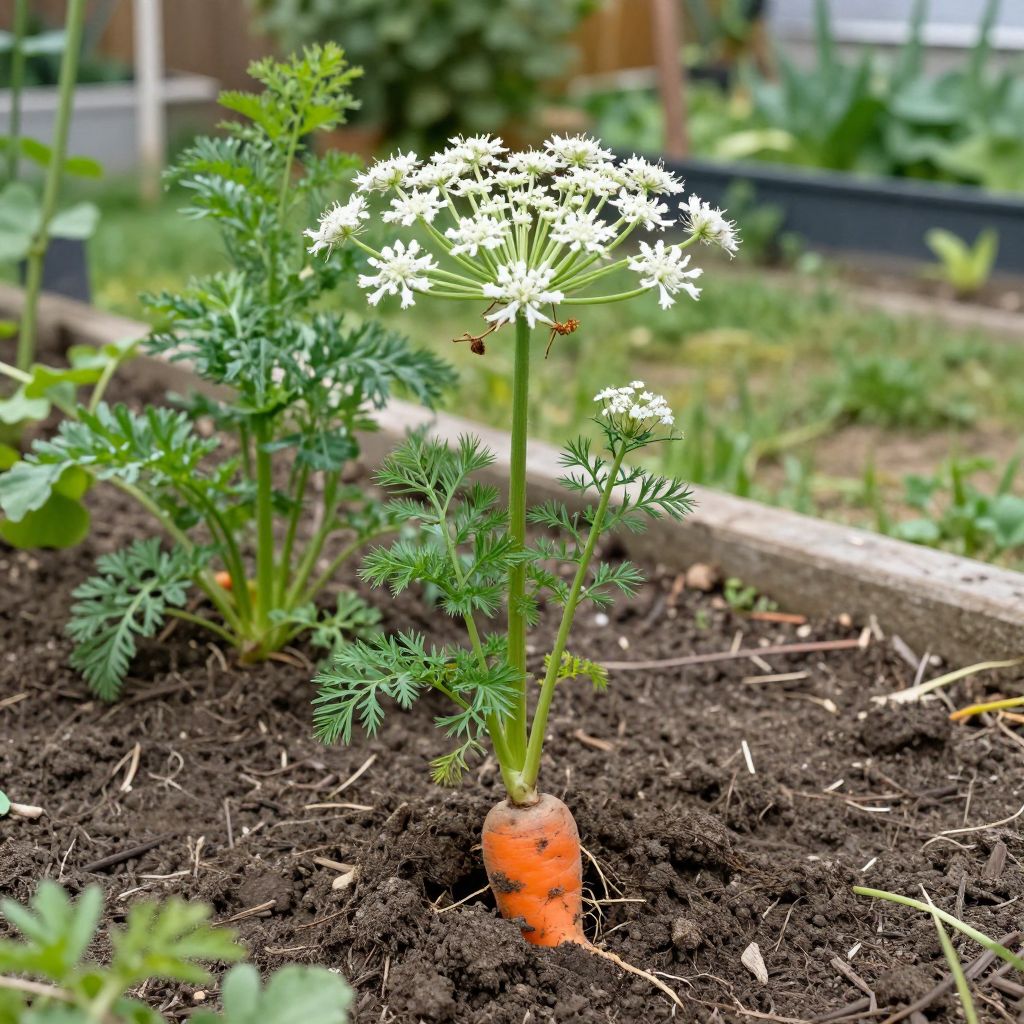
Do carrots have seeds? Yes—carrots do produce seeds, but not in the root you harvest. The edible orange root is only part of the plant; if you let a carrot grow through its full life cycle, it sends up flowers and forms seed after pollination.
Understanding that difference helps you save seed, grow carrots from seed correctly, and avoid common mistakes that lead to poor germination or woody roots. If you want better harvests, it starts with knowing how carrot seed forms and what the plant needs to grow well.
Do carrots have seeds?
Yes. Carrots (Daucus carota) are grown from seed, and mature carrot plants can also produce their own seeds after flowering. The root you eat is not the seed source; it is a storage root. If left in the ground long enough, a carrot can bolt, flower, and set seed for future planting.
How carrot seed forms
Carrots are usually biennial plants, which means they spend the first season growing roots and leafy tops, then flower in the second season after exposure to cold. Once a flowering stalk develops, the plant produces umbrella-shaped flower clusters that can form seed if pollinators do their work.
What happens in the second year
If you overwinter a healthy carrot root in mild climates or dig and replant it, it may send up a tall flower stalk the next season. The flowers are small and white, and the seed forms in dry seed heads after pollination.
Why store-bought carrots usually do not matter for seed saving
Most gardeners do not save seed from grocery-store carrots because they are harvested as roots, not grown to maturity for seed. Also, many carrots in the home garden may cross with other carrot varieties, so seed saved from open-pollinated plants may not grow true unless isolation is managed carefully.
Growing carrots from seed: what they need
Carrots are one of the most direct-sown vegetables in the garden. They dislike root disturbance, so starting them in place usually gives the best results. Good seed-to-soil contact, loose soil, and steady moisture are the biggest factors in successful germination.
Soil conditions
- Texture: Loose, stone-free soil helps roots grow straight and smooth.
- Depth: Aim for at least 8 to 12 inches of workable soil for many common carrot types.
- Drainage: Waterlogged soil can cause poor growth, rot, or forked roots.
- Organic matter: Finished compost can improve soil structure, but avoid fresh manure, which may cause misshapen roots.
If your soil is heavy clay, grow shorter varieties or use raised beds. In rocky or compacted soil, carrots often twist, split, or fork as they meet resistance.
Sunlight and temperature
Carrots grow best in full sun, though they can tolerate light shade in hotter regions. Cool to mild weather is ideal for root development, while prolonged heat can make roots tough and encourage bolting in some plants.
Watering for germination and growth
Carrot seed needs consistent moisture to sprout. Keep the top layer of soil evenly damp until seedlings emerge, then water deeply but less often so roots grow downward. Irregular watering can cause cracking, bitterness, or uneven growth.
How to plant carrot seed successfully
Because carrot seed is small and slow to germinate, planting technique matters. The goal is to place seed shallowly, keep it moist, and thin seedlings early so the roots have room to develop.
- Prepare a fine, crumbly seedbed and remove rocks, sticks, and clods.
- Sow seed thinly in rows or wide bands about 1/4 inch deep.
- Cover lightly with soil or fine compost and press gently for good contact.
- Water carefully so you do not wash the seed away.
- Keep the surface moist until germination, which may take 1 to 3 weeks depending on conditions.
Many gardeners mix carrot seed with dry sand to spread it more evenly. That can help reduce crowding, which makes thinning easier later.
Common planting mistakes
- Planting too deep: Carrot seed is tiny and may fail to emerge if buried too far.
- Letting the bed dry out: Dry soil can stop germination completely.
- Skipping thinning: Crowded seedlings produce small, misshapen roots.
- Using fresh manure: This often leads to forked or hairy roots.
Can you save carrot seed?
Yes, but it takes planning. To save true-to-type seed, you need healthy, mature carrot plants, pollination, and enough space to reduce unwanted crossing with other carrot varieties and wild relatives. This is more advanced than growing carrots for harvest, but it is very doable for home seed savers.
Seed-saving basics
- Select strong, disease-free roots with the shape and flavor you want.
- Overwinter the roots if your climate allows, or store and replant them the next season.
- Allow the plant to flower fully and set seed.
- Harvest seed heads when they dry and turn brown.
- Dry seed thoroughly before storing it in a cool, dry place.
Carrot seed can lose viability over time if stored poorly, so keep it dry and labeled with the year collected. If you are saving seed from multiple carrot types, isolate them as much as possible to reduce cross-pollination.
Why carrots sometimes bolt before making a good root
Bolting means the plant shifts into flowering early. When that happens, the root often becomes woody, bitter, or split, and it is no longer good for eating. Bolting is usually triggered by stress, especially cold followed by warmth, crowded plants, or inconsistent moisture.
How to reduce bolting
- Sow at the right time for your local climate.
- Thin seedlings so roots are not competing.
- Keep soil evenly moist during establishment.
- Use varieties suited to your season length.
- Harvest mature roots before they become overly large and tough.
If your spring weather swings from cold to hot quickly, consider a later sowing or a fall crop where summers are too harsh. Local timing matters more than any universal calendar date.
Pests and diseases that affect carrot plants
Healthy foliage and roots are less likely to fail, but carrots can still face a few common problems. Many issues are easier to prevent than to fix after the fact, so good bed preparation and crop rotation are important.
Common pests
- Carrot rust fly: Larvae tunnel into roots and leave rusty damage.
- Aphids: They feed on tender tops and can weaken young plants.
- Wireworms: These can bore into roots in some soils.
Common diseases
- Root rot: Often linked to poor drainage or overwatering.
- Leaf blight: Can spread in humid conditions or crowded plantings.
- Powdery mildew: More likely when airflow is poor and foliage stays stressed.
To reduce problems, rotate carrots away from other umbellifer crops, keep the bed weed-free, and avoid overcrowding. Healthy spacing improves airflow and makes it easier to spot trouble early.
Harvesting carrots at the right time
Carrots are usually harvested when roots reach usable size for the variety you planted. Pulling them too early gives you smaller roots, while leaving them too long can make them woody or split, especially in dry or hot weather.
How to check readiness
- Brush back a little soil at the crown to judge root thickness.
- Look for firm, well-colored shoulders.
- Harvest before the roots become overly large and fibrous.
Loosen the soil with a fork or trowel before pulling to avoid snapping the roots. If the tops break, gently dig around the root instead of tugging harder.
Indoor versus outdoor growing
Carrots are usually better grown outdoors because they need depth and steady light. Indoor growing is possible in deep containers, but it is less forgiving and works best for small-rooted varieties.
Container growing tips
- Use a container deep enough for the variety you choose.
- Choose a loose, well-draining potting mix.
- Water carefully so the mix stays evenly moist, not soggy.
- Place containers in strong light, ideally full sun outdoors or the brightest available indoor location.
Containers dry out faster than garden beds, so check moisture often. Uneven drying is a common reason container carrots become stunted or cracked.
Quick answer for gardeners
If you are asking, “Do carrots have seeds?” the short answer is yes, but only after the plant matures and flowers. For the best harvest, grow carrots from seed in loose soil, keep moisture steady, and avoid disturbing the roots once they sprout.
Conclusion
Carrots do have seeds, and understanding how they form will help you grow better roots and, if you want, save seed from mature plants. Start with loose soil, shallow sowing, and consistent moisture, then thin seedlings early and watch for bolting. For more on growing root crops successfully, explore related vegetable gardening guides and practical seed-saving tips.