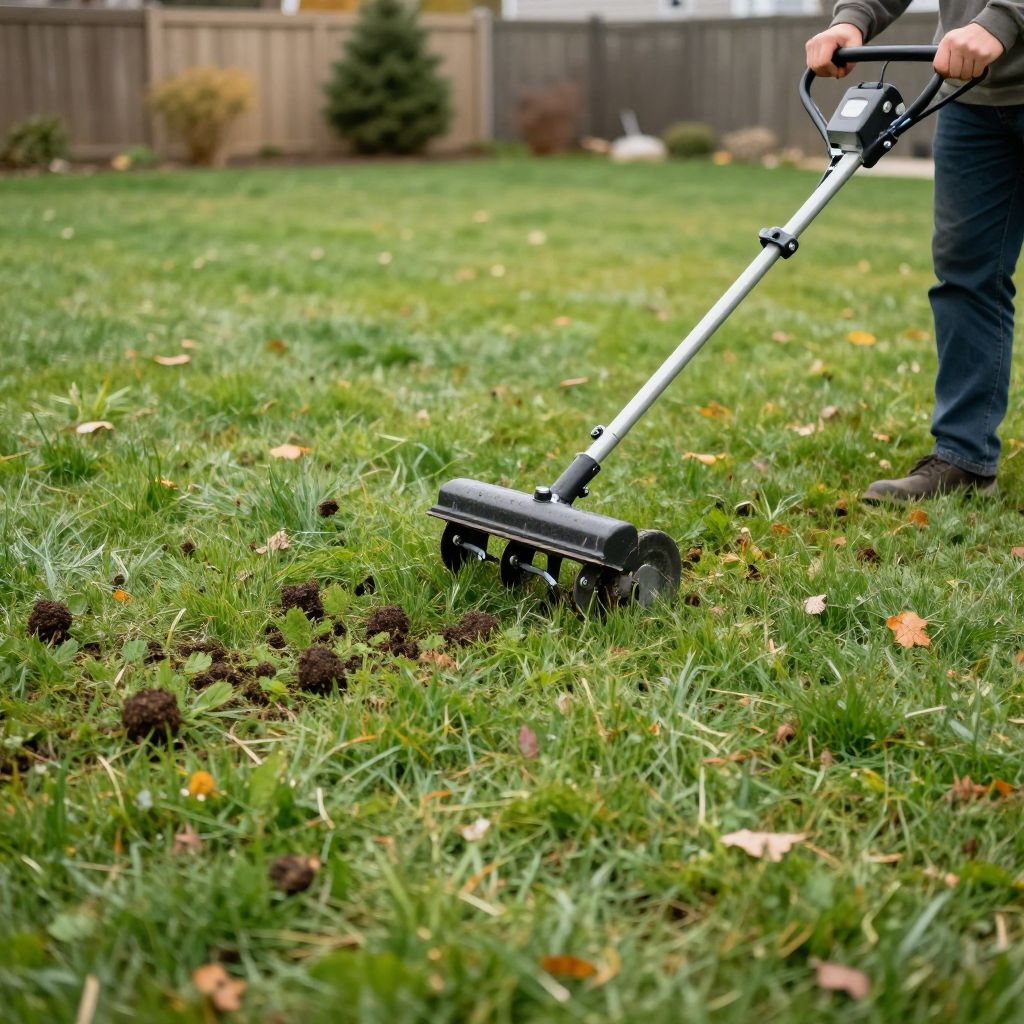
When should I aerate my lawn? In most cases, the best time is when your grass is actively growing and can recover quickly from the holes or plugs left behind. For cool-season lawns, that usually means early fall or sometimes early spring; for warm-season lawns, late spring through early summer is often best.
The right timing depends on your grass type, soil compaction, and local climate. Aerating at the wrong time can stress the lawn, slow recovery, and leave weeds with an opening, so it helps to know when your turf is ready and when to wait.
When should I aerate my lawn?
Aerate when your lawn is in its strongest growth period and the soil is moist but not soggy. Cool-season grasses are usually aerated in early fall, while warm-season grasses are best aerated in late spring to early summer. Avoid aerating during drought, heat stress, or when the lawn is dormant.
Why timing matters so much
Aeration creates openings in the soil so air, water, and nutrients can move more easily to the roots. That helps relieve compaction, improve drainage, and support thicker growth.
But aeration also temporarily disturbs the turf. If the grass is already stressed by heat, cold, drought, or dormancy, recovery is slower and the lawn can look worse before it looks better.
The best season by grass type
- Cool-season grasses such as Kentucky bluegrass, perennial ryegrass, and tall fescue: aerate in early fall when temperatures are cooler and roots are actively growing.
- Warm-season grasses such as bermudagrass, zoysia, centipedegrass, and St. Augustinegrass: aerate in late spring to early summer after the lawn has fully greened up.
If you are not sure which type you have, notice when it grows most vigorously. The best aeration window is usually just before or during that active growth period, not at the edge of dormancy.
Signs your lawn needs aeration
Not every lawn needs aeration every year. The need depends on soil type, foot traffic, and how the lawn has been maintained.
- The soil feels hard and difficult to push a screwdriver into.
- Water pools or runs off instead of soaking in.
- Grass looks thin in high-traffic areas.
- The lawn dries out quickly even after watering.
- You have heavy clay soil or a lot of compaction from play, pets, or equipment.
- Thatch is present, but the main issue is compacted soil rather than surface buildup.
Lawns on sandy soil may need aeration less often, while clay-heavy lawns or busy family yards may benefit more regularly. If the turf is healthy and water penetrates well, aeration may not be necessary yet.
How to tell if the lawn is ready
Before you aerate, check the soil moisture. The ground should be moist enough for the aerator tines or coring tubes to penetrate, but not so wet that the soil smears or clumps badly.
A simple test is to water lightly a day or two before aerating if the soil is dry. If the ground is muddy or squishy, wait until it firms up. Aerating saturated soil can damage the lawn and make compaction worse.
Good conditions for aeration
- Soil is moist, not muddy.
- Grass is actively growing.
- Temperatures are moderate for your grass type.
- You can follow up with watering, overseeding, or topdressing if needed.
Core aeration vs. spike aeration
For most home lawns, core aeration is the better choice. It removes small plugs of soil and creates real space for roots, water, and oxygen.
Spike aerators simply poke holes into the ground. On compacted soil, they can sometimes make compaction worse by pressing soil aside rather than removing it.
Choose core aeration when:
- Your soil is compacted.
- You have clay soil.
- You plan to overseed or topdress afterward.
- You want longer-lasting improvement.
Spike aeration may be useful when:
- The soil is only lightly compacted.
- You are dealing with a very small area.
- You are making a temporary improvement, not a major renovation.
How to aerate a lawn step by step
- Mow the lawn slightly lower than usual, but do not scalp it.
- Water lightly 1 to 2 days before aerating if the soil is dry.
- Mark sprinklers, shallow cables, and other hidden obstacles.
- Run the aerator over the lawn in overlapping passes.
- Focus on compacted zones, paths, play areas, and places where water puddles.
- Leave the soil plugs on the lawn unless you are overseeding or topdressing and want to break them up.
- Water afterward if the weather is dry.
For heavily compacted lawns, two passes in different directions can improve coverage. Just avoid overworking the area if the turf is already stressed.
What to do after aerating
Post-aeration care matters as much as the aeration itself. The holes are an opportunity to improve the lawn, especially if you want thicker turf.
If you are overseeding
Spread grass seed soon after aerating so seed can settle into the openings. This is one of the best times to thicken thin areas, especially in cool-season lawns in early fall.
- Choose a seed mix suited to your lawn’s sun and shade conditions.
- Keep the surface consistently moist until germination.
- Reduce traffic on newly seeded areas.
If you are topdressing
A thin layer of compost can help improve soil structure over time, especially on poor or compacted soil. Keep the layer light so you do not smother the grass.
- Use fine, finished compost.
- Apply only a thin layer that settles into the holes and low spots.
- Rake lightly if needed to distribute it evenly.
Watering after aeration
Water deeply enough to help the lawn recover, but do not keep the soil constantly soggy. The goal is steady moisture, not saturation.
If you overseed, follow the seed package guidance for moisture and establishment, adjusting for your weather and soil drainage.
Common mistakes to avoid
- Aerating during drought or heat stress, which can damage the lawn.
- Aerating dormant grass, which slows recovery.
- Working wet soil, which can smear and compact the ground further.
- Using spike aeration on badly compacted soil and expecting major improvement.
- Skipping follow-up care such as watering, overseeding, or compost topdressing when needed.
- Aerating too often without a real compaction problem.
How often should you aerate?
Many home lawns benefit from aeration every 1 to 3 years, but that is only a general guide. High-traffic lawns, clay soils, and compacted sites may need it more often, while healthy lawns on lighter soil may need it less frequently.
Let the lawn tell you. If water soaks in well, roots look healthy, and the turf is dense, you may not need to aerate yet.
Special situations to consider
New lawns
A newly seeded or newly sodded lawn usually should not be aerated right away. Give it time to establish a strong root system first.
Shaded lawns
Shady areas often grow more slowly and recover less quickly. Aerate only when the grass is actively growing and the area truly needs it.
Lawns with thatch
Aeration can help when thatch is part of the problem, but thick thatch may need separate management. If the thatch layer is excessive, you may need dethatching or other renovation steps in addition to aeration.
Sloped or erosion-prone areas
Be cautious on slopes. Aeration can loosen the surface slightly, so avoid it right before heavy rain and consider light topdressing only if you can keep soil in place.
Quick decision guide
- Cool-season lawn? Aim for early fall.
- Warm-season lawn? Aim for late spring to early summer.
- Dry, dormant, or heat-stressed lawn? Wait.
- Soil compacted and grass actively growing? Good time to aerate.
- Planning to overseed? Aerate first, then seed.
Conclusion
The best answer to when should I aerate my lawn is simple: aerate when your grass is actively growing, the soil is moist but workable, and the lawn can recover quickly. For most cool-season lawns, that means early fall; for warm-season lawns, late spring to early summer is usually best.
If you want to improve a thin or compacted lawn, start by checking your grass type and soil moisture, then plan aeration for the right season. For more lawn care help, you may also want to read about how to overseed a lawn and how to improve clay soil in your yard.