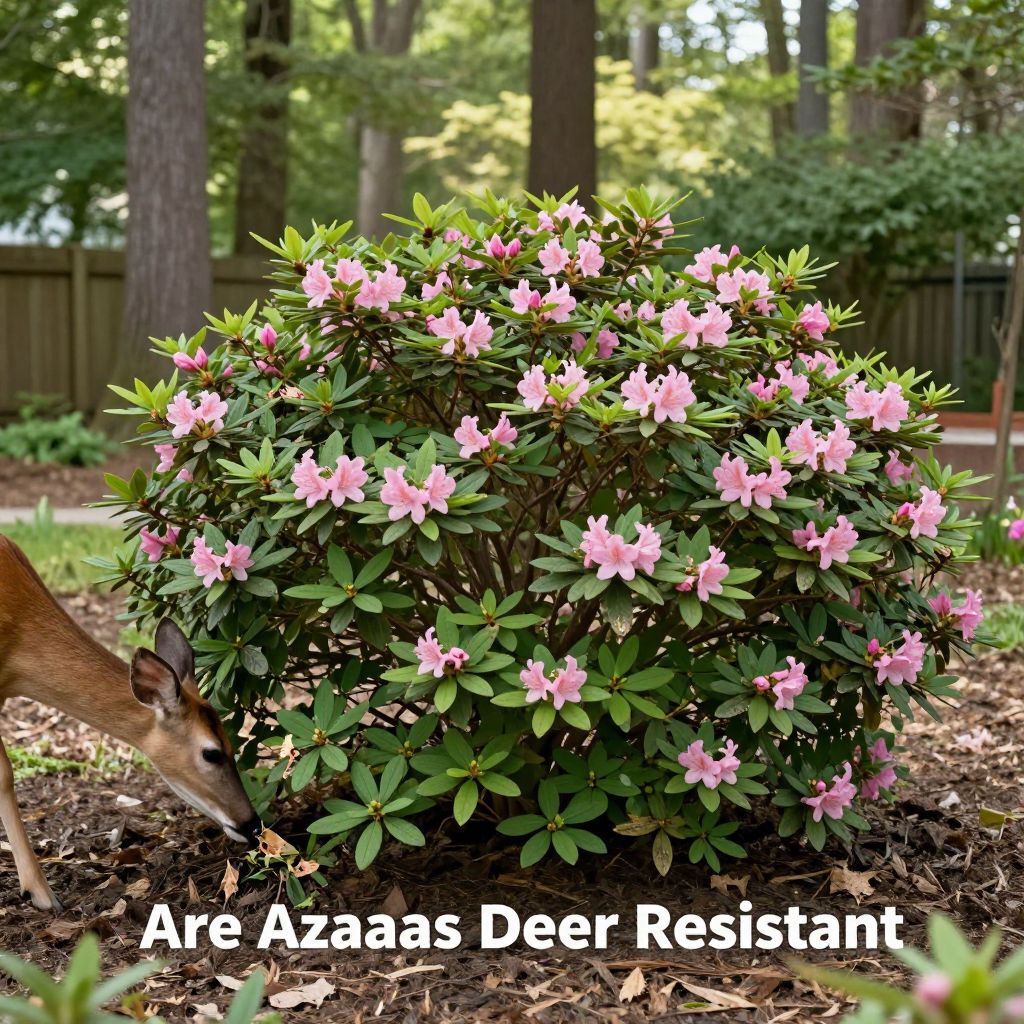
Are azaleas deer resistant? If deer are browsing your yard, this is an important question before you plant. The short answer is that azaleas are not reliably deer resistant; hungry deer may leave them alone sometimes, but they will browse azaleas when food is scarce or pressure is high.
You can still grow azaleas successfully, but it helps to know where they fit in a deer-prone landscape. The right site, good plant care, and a few protection strategies can make a big difference.
Are azaleas deer resistant?
Azaleas are best described as deer tolerant at times, not deer proof. Deer often prefer softer, more palatable plants, but they will nibble azalea buds, leaves, and tender new growth if other food is limited. In areas with heavy deer pressure, even “less favored” shrubs can be damaged.
Why deer may eat azaleas
Deer feeding patterns change with season, weather, and local food supply. In spring, they may browse fresh growth; in winter or drought, they may eat plants they normally ignore. Azaleas are evergreen or semi-evergreen in many gardens, which means they can be available to deer for a long season.
What makes azaleas appealing to deer?
- Soft new growth is easy to chew.
- Flower buds can be especially tempting in late winter and early spring.
- Young, recently planted shrubs are more vulnerable than established plants.
- Deer often sample plants they have browsed before, then return.
What makes azaleas less appealing?
- Older, woody growth is less tender.
- Some landscapes have enough alternative forage that deer ignore azaleas.
- Plants protected by fencing, repellents, or companion plantings may be left alone more often.
How to grow azaleas when deer are a problem
If deer visit your garden, choose azaleas with the understanding that they may need protection. Good planting and care help shrubs recover faster if browsing occurs, and healthy plants are better able to replace damaged growth.
Pick the right planting site
Azaleas generally do best in bright shade or filtered sun, with morning sun and afternoon protection in hotter climates. Too much sun can stress them, while deep shade may reduce flowering.
- Choose a spot with shelter from harsh afternoon sun and drying wind.
- Avoid low areas where water collects after rain.
- Plant where you can easily install temporary or permanent deer protection if needed.
Focus on soil and drainage
Azaleas prefer acidic, well-drained soil rich in organic matter. Heavy clay or constantly wet soil can weaken roots, making plants more vulnerable to stress and browsing damage.
- Work in compost or leaf mold to improve soil structure.
- Do not bury the root ball too deeply.
- Mulch lightly to conserve moisture and reduce weeds, but keep mulch a few inches away from the stems.
Water wisely after planting
New azaleas need even moisture while they establish, but they should never sit in soggy soil. Water deeply when the top layer of soil begins to dry, adjusting for rainfall, temperature, and soil type.
- Check soil with your finger rather than following a fixed calendar.
- Water more often during hot, windy weather.
- Reduce watering in cool, rainy periods.
Best ways to protect azaleas from deer
If deer are active in your area, protection matters more than plant choice. Repellents can help, but the most dependable defense is physical exclusion, especially for young shrubs and prized flowering varieties.
1. Use fencing when possible
A fence is the most reliable long-term solution. It does not have to be decorative to be effective, but it must be tall enough and installed well enough to discourage jumping or squeezing through.
- Use sturdy garden fencing or deer netting around valuable plantings.
- Keep the barrier high enough for local deer pressure.
- Check for gaps near gates, corners, and low spots.
2. Apply deer repellents strategically
Repellents can reduce browsing, especially when used before deer establish a feeding pattern. They work best as part of a rotation and usually need reapplication after rain or new growth.
- Follow the product label carefully.
- Spray before damage starts, not after deer have already found the plant.
- Reapply during periods of rapid growth or frequent rain.
3. Protect young plants first
Newly planted azaleas are the most likely to be damaged because they are small, tender, and easy to reach. Temporary cages or netting can buy time until shrubs are larger and better established.
- Use stakes and mesh to create a loose protective cage.
- Keep protection from pressing directly on the foliage.
- Inspect regularly so stems are not rubbing against the barrier.
4. Avoid relying on “deer resistant” labels alone
No shrub is completely safe in every garden. Deer resistance is relative, not absolute, and local deer behavior matters more than a plant tag or catalog description.
What to do if deer have already browsed your azaleas
Light browsing is often recoverable, but repeated damage can weaken the shrub and reduce blooms. Your response depends on how much was eaten and whether the plant was recently planted.
- Inspect the plant for broken stems, stripped buds, and torn bark.
- Prune only clearly damaged tips if needed, making clean cuts just above healthy growth.
- Water the plant well if soil is dry, especially after stress.
- Mulch lightly to help roots recover, but do not mound mulch against the trunk.
- Install protection immediately so deer do not return the next night.
When to prune after deer damage
Wait until you can see what is truly dead or broken. Azaleas bloom on growth formed at the right time of year, so heavy pruning at the wrong moment can remove flower buds. If in doubt, remove only clearly damaged wood and let the plant recover.
Common azalea care mistakes that make deer damage worse
Stress makes plants less resilient. A healthy azalea can handle light browsing better than a struggling one, so good care is part of deer management.
- Planting in poor drainage, which weakens roots.
- Overfertilizing, which can push soft growth that deer like.
- Cutting back too hard at the wrong time and removing buds.
- Letting mulch pile against stems, which can invite rot.
- Ignoring early deer signs, such as ragged leaf edges or clipped tips.
Do some azaleas get less deer damage than others?
Yes, but the difference is often local and inconsistent. Deer preferences vary by region, season, and what else is available to eat. One azalea may be skipped in one yard and heavily browsed in another.
When choosing plants, look for shrubs that fit your site and your deer pressure level, but treat any “resistant” claim as a starting point rather than a guarantee. If deer are severe, prioritize fencing or a protected planting bed.
Seasonal tips for deer-prone gardens
Deer browsing often increases when food is scarce, so timing matters. Pay extra attention during late winter, early spring, and dry periods when natural forage is limited.
Spring
- Protect new growth and flower buds.
- Reapply repellents after rain or rapid leaf flush.
- Watch for fresh browsing on tender shoots.
Summer
- Keep plants watered during heat stress.
- Maintain mulch, but keep it away from stems.
- Inspect for repeated nibbling after storms or dry spells.
Fall and winter
- Expect more browsing pressure when other food is limited.
- Check protection before cold weather sets in.
- Keep barriers secure so deer cannot test weak spots.
Can you still use azaleas in a deer-prone landscape?
Yes, especially if you combine them with protection and sensible placement. Azaleas can work well near patios, entryways, or areas you visit often, where you can monitor them and respond quickly if deer appear.
For larger plantings, consider mixing azaleas with other shrubs and using a layered defense. A diverse landscape is less likely to be wiped out if one plant becomes a target.
Conclusion: the practical answer for gardeners
So, are azaleas deer resistant? Not reliably. They may be left alone at times, but deer will browse them when conditions favor feeding. If you want to grow azaleas in deer country, give them good soil, steady moisture, and real protection such as fencing or repellents.
Before you plant, check your yard for deer traffic, then choose a protected site and set up a defense plan from day one. If you want to compare plant choices, you may also find it useful to read about what to feed deer and how deer feeding habits affect the plants they browse.