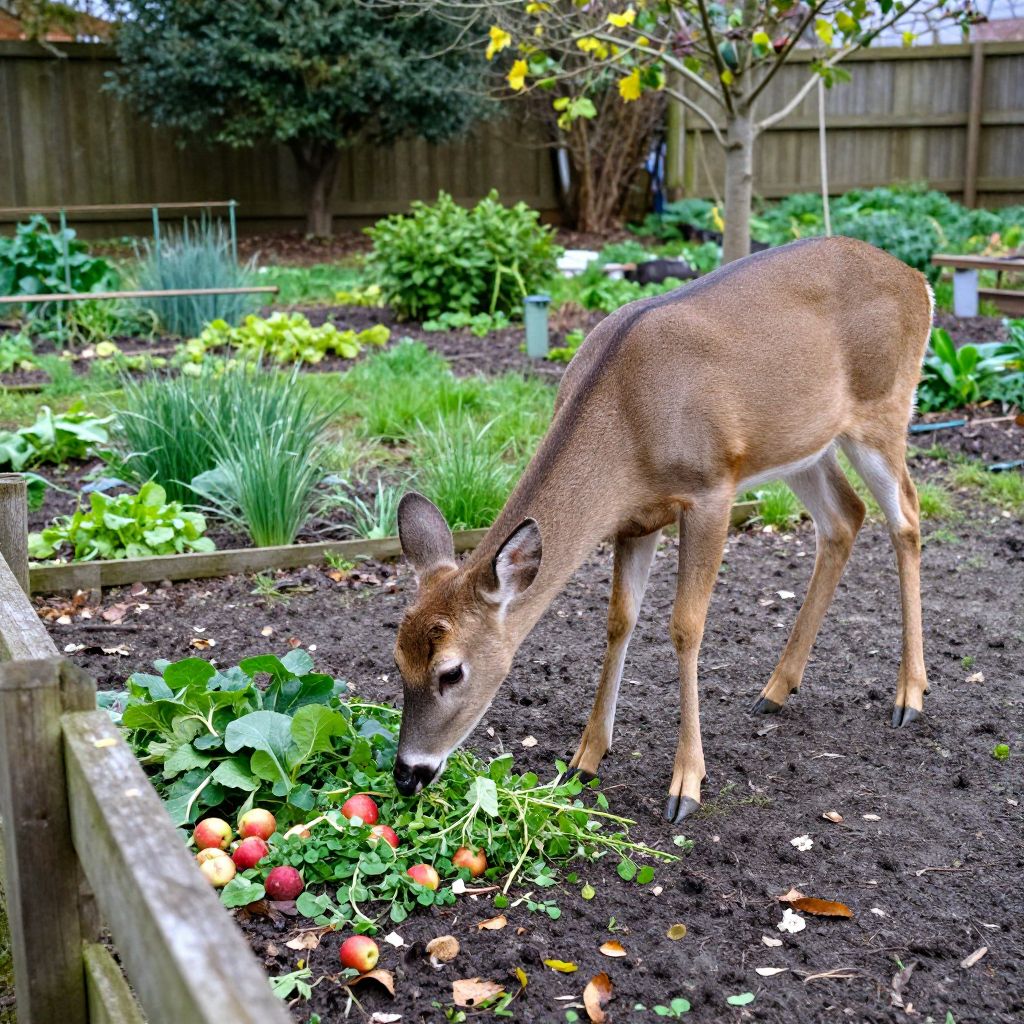
What should you feed deer if they’re visiting your garden, or if you’re trying to support deer without causing harm? The safest answer is simple: let deer browse natural vegetation whenever possible, and if supplemental feeding is allowed where you live, offer only species-appropriate foods in moderation. Poor feed choices can upset digestion, spread disease, and attract deer to unsafe places.
For most gardeners, the best “feeding plan” is actually habitat support: native shrubs, woodland edges, and diverse forage plants. If you do provide feed, do it carefully, with local regulations in mind and a strong focus on cleanliness, water access, and avoiding sudden diet changes.
What to feed deer?
Deer do best on a natural browse diet of leaves, twigs, buds, grasses, forbs, acorns, and other native plants. If supplemental feeding is legal in your area, choose plain, fresh, deer-appropriate forage such as hay-free browse, apples in small amounts, or commercial deer feed formulated for ruminants. Avoid bread, kitchen scraps, moldy feed, and sudden diet changes.
Understanding a deer’s natural diet
Deer are browsers, not grazers in the same way cattle are. In a healthy landscape, they spend much of the day nibbling on woody stems, tender shoots, herbaceous plants, and seasonal foods like mast.
The most useful gardening takeaway is this: if you want to “feed deer” responsibly, plant what deer naturally eat rather than relying on handouts. That supports their digestion and reduces the risk of attracting them to dangerous feeding sites.
Foods deer naturally prefer
- Native shrubs and tree seedlings
- Young leaves, shoots, and buds
- Acorns, beechnuts, and other mast crops
- Herbaceous weeds and wildflowers
- Ornamental plants with soft growth, especially in spring
Why natural browse is better
Natural forage is varied, seasonal, and easier for deer to digest than processed or starchy foods. It also helps them maintain normal feeding behavior, instead of crowding around a single feeding spot.
Important: If deer are already visiting your garden, feeding them directly can increase browsing pressure on your plants. In many cases, improving habitat away from the garden is safer than offering food at the garden edge.
What can you safely feed deer?
If local laws allow supplemental feeding and you choose to do it, keep the diet simple and consistent. The safest options are usually natural browse, clean hay-free forage, and small amounts of fruit or commercial feed made for deer or other ruminants.
Generally safer options
- Native browse cuttings from unsprayed shrubs and trees, offered fresh and in small amounts
- Commercial deer feed from a reputable source, used exactly as directed on the label
- Apples or pears in moderation, cut into manageable pieces if needed
- Leafy greens from the garden only if they are clean, unsprayed, and offered sparingly
- Whole grains or pellets only when specifically formulated for deer or wildlife use
Even with these foods, moderation matters. A deer’s rumen needs gradual changes and fibrous feed. Too much soft, sugary, or starchy food can cause digestive upset.
Foods to avoid
- Bread, crackers, cereal, and baked goods
- Kitchen scraps and processed human food
- Moldy hay, spoiled produce, or damp grain
- Large amounts of corn, especially during stressful weather
- Anything treated with pesticides, herbicides, or garden chemicals
- Food with salt, seasoning, oil, or sauce
Do not feed deer moldy or spoiled food. Mold toxins can be harmful, and spoiled feed can attract rodents and other wildlife you do not want near your garden.
How to feed deer responsibly in a garden setting
If you decide to provide food, do it in a way that protects both the deer and your planting beds. The goal is to reduce risk, not create a permanent feeding station right beside your vegetables or ornamentals.
- Check local rules first. Some areas restrict wildlife feeding because it can spread disease or increase nuisance behavior.
- Choose a safe location. Place feed away from roads, fences, compost piles, and vulnerable beds.
- Start small. Offer only a little at first so deer do not gorge on unfamiliar food.
- Keep it clean. Remove leftovers quickly to prevent spoilage and pests.
- Use fresh water nearby. Clean water is more important than extra feed in many landscapes.
- Stop if deer become dependent or aggressive. Regular handouts can change behavior and increase conflicts.
Best feeding practices
- Feed at the same time and place only if required by local guidance
- Use shallow, easy-to-clean containers if you must use one
- Keep feed dry and protected from rain
- Discard any feed that smells sour, looks slimy, or has visible mold
- Observe from a distance and avoid direct contact with deer
Better than feeding: plant a deer-friendly landscape
If your real goal is to help deer, the most sustainable option is to grow plants that provide food and cover across the seasons. A diverse planting design supports wildlife while reducing the temptation for deer to strip your favorite ornamentals.
Plants that can support deer habitat
- Native shrubs with flexible stems and seasonal browse value
- Berry-producing shrubs that also feed birds and pollinators
- Native grasses and meadow plants
- Young trees protected with guards until established
- Mixed border plantings that include both browse plants and deer-resistant species
When choosing plants, match them to your soil, moisture, and sunlight. Deer support plantings work best when they are suited to your site, because stressed plants are less resilient and more likely to be damaged.
Site conditions that matter
- Sunlight: Many browse plants grow best in full sun to partial shade, depending on species.
- Soil drainage: Most shrubs and trees dislike waterlogged roots.
- Soil fertility: Moderate fertility is usually enough; overly rich soil can produce tender growth that deer love.
- Water: New plantings need regular watering until established, especially in dry spells.
How to keep deer from overbrowsing your garden
Feeding deer and protecting your garden are often competing goals. If deer are eating your plants, the most effective response is usually to protect the garden rather than feed the animals more.
Practical protection methods
- Physical barriers: Tall fencing is the most reliable option for vegetable beds and young trees.
- Tree guards: Use guards or cages on trunks and lower branches.
- Repellent rotation: Reapply according to label directions and weather conditions.
- Plant selection: Mix in deer-resistant species where appropriate, though no plant is completely deer-proof.
- Strategic placement: Put highly palatable plants closer to the house or within protected areas.
Young plants are the most vulnerable. A newly planted shrub or tree can be browsed back hard enough to delay establishment for a full season or more.
Common mistakes when feeding deer
Most problems come from trying to feed deer like livestock or pets. Deer have different digestive needs, and they are best managed with restraint.
Mistakes to avoid
- Changing feed too quickly
- Offering large amounts of corn or grain
- Leaving food out where it spoils
- Feeding near roads or neighborhood traffic
- Assuming deer will only eat what you provide
- Using feed as a substitute for habitat management
If deer are already damaging your landscape, more food usually makes the problem worse. They may stay longer, visit more often, and browse nearby ornamentals and vegetable crops more heavily.
Seasonal considerations for deer feeding
What deer need changes with the season, and your garden response should change too. In spring and summer, lush growth is tempting to deer and also easy to overbrowse. In fall and winter, natural forage may be scarce, but sudden feeding is still risky.
Spring
New growth is highly attractive. Protect emerging perennials, shrubs, and vegetables early, before deer learn where the tender plants are.
Summer
Water availability matters, especially in hot, dry weather. Keep garden plants well mulched and watered so they recover from minor browsing more quickly.
Fall
Deer may increase feeding as they prepare for colder weather. This is a good time to inspect fencing, tree guards, and vulnerable beds.
Winter
Natural food can be limited, but feeding should still be cautious. If you are supporting habitat, focus on woody browse, sheltered cover, and access to unfrozen water where appropriate and legal.
Troubleshooting: when deer feeding goes wrong
If deer stop eating, seem overly bold, or gather in unhealthy numbers, reassess the feeding setup. The problem is often not the deer themselves, but the way the food is being offered.
- Food is left untouched: It may be stale, unfamiliar, or placed in a poor location.
- Too many deer arrive: Reduce or stop feeding and improve habitat away from the garden.
- Plants are still being eaten: Use fencing or repellents; feeding is not a substitute for protection.
- Feed attracts pests: Remove leftovers and avoid open piles of grain or fruit.
- Deer look unwell: Stop feeding and contact local wildlife authorities or a wildlife rehabilitator for guidance.
Final practical advice
If you want to know what to feed deer, the best answer is often “their natural food.” Support them with native plants, clean water, and a healthy landscape, and only supplement feed when it is legal, necessary, and done carefully. Protect your garden first, then build a deer-friendly planting plan that fits your site.
For more garden planning ideas, you may also want to read about deer-resistant plants for home landscapes and how to protect young trees from browsing.