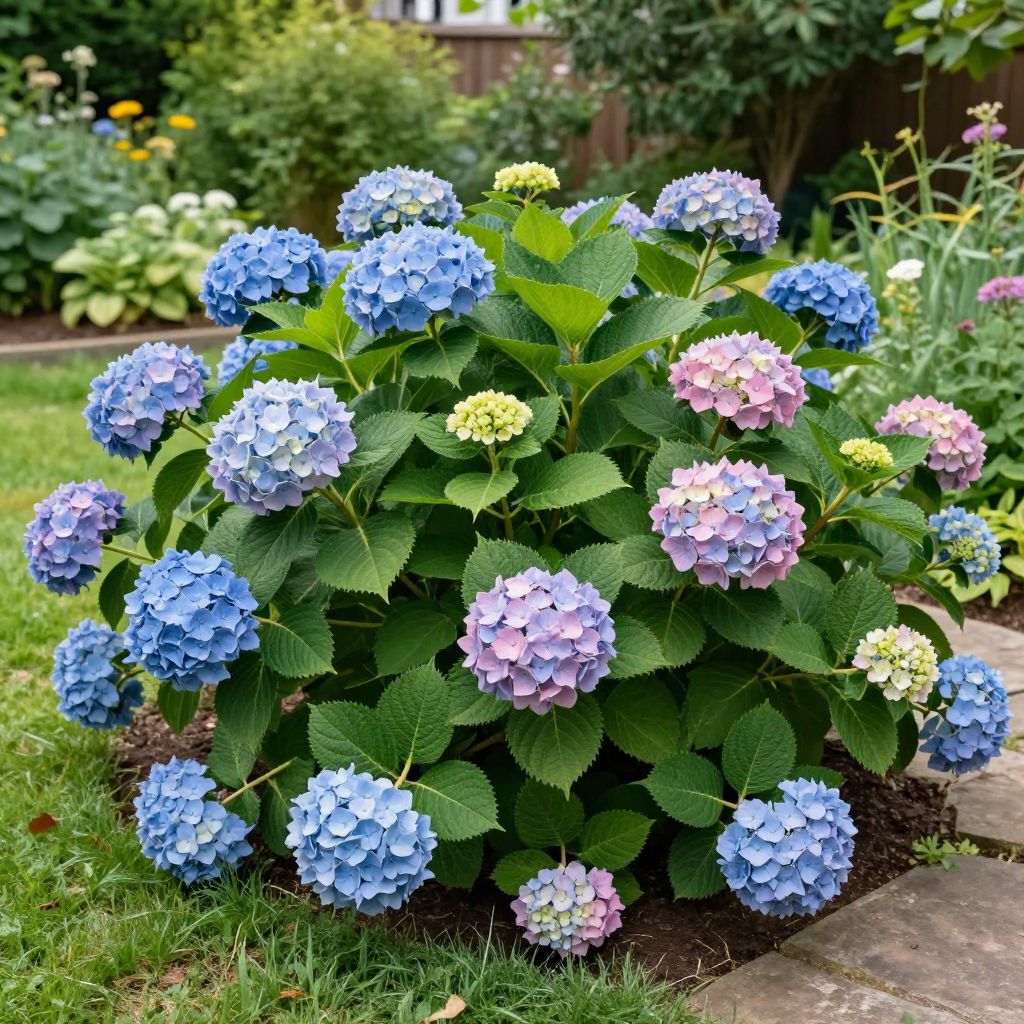
When are hydrangeas in season? The short answer is that hydrangeas are most visible in gardens from late spring through fall, with peak bloom usually in summer. The exact season depends on the type of hydrangea, your climate, and whether the plant flowers on old wood, new wood, or both.
If you want the longest display, choose the right hydrangea for your region and prune it at the right time. A little seasonal planning makes a big difference in how many flowers you get and how long they last.
When are hydrangeas in season?
Hydrangeas are generally in season from late spring to early fall, with the heaviest bloom period in summer. In warmer climates, some types start earlier and bloom longer; in cooler areas, flowering may begin later and finish sooner. Cut flowers are also widely available in florists and markets during this same window.
What affects hydrangea bloom season?
Hydrangea bloom time is shaped by species, pruning, sunlight, and weather. Some hydrangeas bloom on old wood, meaning buds form the previous year, while others bloom on new wood and can flower later in the season after fresh growth develops.
Hydrangea type matters
- Bigleaf hydrangea (Hydrangea macrophylla) often blooms from early to midsummer, with some reblooming types continuing into fall.
- Panicle hydrangea (Hydrangea paniculata) usually blooms later, often from midsummer into autumn.
- Smooth hydrangea (Hydrangea arborescens) typically flowers in early to midsummer.
- Oakleaf hydrangea (Hydrangea quercifolia) blooms in late spring to early summer and also offers strong foliage color later in the year.
Climate shifts the calendar
In mild climates, hydrangeas may bloom earlier and stay attractive longer. In colder regions, spring growth starts later, and frost can damage buds on old-wood types, reducing or delaying the flower show.
Sun and moisture influence timing
Hydrangeas in bright morning sun and afternoon shade often bloom more reliably than those in deep shade. Consistent moisture also supports bud development, while drought stress can shorten the display or reduce flower size.
How to tell if your hydrangea is about to bloom
You can usually spot an upcoming bloom by looking for fattening buds at stem tips, sturdy new growth, and clusters that begin to separate from the leaves. On many types, the first sign of flowering is a rounded bud head or a cone-shaped cluster forming at the ends of stems.
Signs to watch for
- Swollen buds in late winter or spring
- Fresh green shoots with healthy leaf growth
- Rounded or conical flower clusters forming at stem tips
- Color changes in the buds as they prepare to open
If you see healthy foliage but no buds, the plant may have been pruned at the wrong time, exposed to winter damage, or growing in too much shade.
Best planting and growing conditions for seasonal bloom
Healthy hydrangeas bloom more predictably when planted in the right spot. Most do best in rich, well-drained soil with steady moisture and some protection from harsh afternoon sun, especially in hot climates.
Soil and drainage
Hydrangeas prefer soil that holds moisture without staying soggy. If your soil is heavy clay, improve drainage with compost and careful site selection rather than planting in a low spot where water collects.
A good planting hole should be wide, not just deep. Loosen the surrounding soil so roots can spread easily, and mix in compost if the native soil is poor or compacted.
Light requirements
- In cooler climates, hydrangeas can take more sun.
- In hot climates, morning sun and afternoon shade is often ideal.
- Too much shade can reduce flowering and make stems leggy.
Watering during the growing season
Hydrangeas need even moisture, especially while buds are forming and flowers are opening. Water deeply when the top few inches of soil begin to dry, and mulch around the base to help the soil stay cooler and moister.
Try not to water lightly every day. Deep watering encourages stronger roots than frequent shallow sprinkling.
Pruning mistakes that can remove next season’s flowers
One of the most common reasons hydrangeas miss their season is pruning at the wrong time. If you cut back old-wood bloomers too late in winter or early spring, you may remove the buds that were already set for the coming year.
Prune based on bloom type
- Old-wood bloomers should usually be pruned only after flowering, if at all.
- New-wood bloomers can be cut back in late winter or early spring before growth starts.
- Reblooming types may need only light cleanup pruning to keep flowering steady.
If you are unsure which hydrangea you have, wait until after flowering to do any major pruning. A light trim is safer than a hard cut.
How to extend the hydrangea season in your garden
You can stretch the hydrangea display by combining early-, mid-, and late-blooming types. This gives you flowers across a longer part of the year instead of one short burst.
Simple ways to lengthen bloom time
- Plant more than one hydrangea species or cultivar with different bloom windows.
- Choose a site with morning sun and afternoon shade in hotter regions.
- Mulch to reduce moisture stress during summer heat.
- Deadhead spent blooms if the plant benefits from it, but avoid cutting into live buds on old wood types.
- Protect buds from late frosts with breathable frost cloth if cold snaps are expected.
In many gardens, panicle hydrangeas are especially useful for extending the season because they bloom later than some other types and often hold their flower heads well into fall.
Common problems that shorten bloom season
If your hydrangeas bloom briefly or not at all, the issue is often environmental rather than a lack of care. Start by checking light, pruning timing, winter injury, and soil moisture.
Why blooms may be sparse
- Late frost damaged developing buds.
- Too much shade reduced flower production.
- Improper pruning removed flower buds.
- Drought stress interrupted bud formation.
- Excess nitrogen encouraged leaves more than flowers.
Leaves look healthy but flowers are missing
This often means the plant is growing well vegetatively but not setting buds. Move to a brighter location if possible, reduce heavy feeding, and adjust pruning to match the plant’s bloom type.
Flowers fade quickly
Hot sun, dry soil, and wind can make blooms brown or crisp early. A little afternoon shade and consistent watering can help flowers last longer, especially in midsummer.
Harvesting hydrangeas for cut flowers
Hydrangeas are popular as cut flowers because their blooms are full and long-lasting. The best time to cut them is usually in the cool part of the day, when the flower heads are mature but not fully tired from heat.
Cutting tips for longer vase life
- Use clean, sharp pruners or snips.
- Cut stems in the morning if possible.
- Place stems in water right away.
- Remove leaves that would sit below the waterline.
- Refresh the water regularly to help blooms last longer.
Some gardeners also dry hydrangea blooms for indoor use. For drying, choose flowers that are starting to mature and feel slightly papery rather than soft and fresh.
Seasonal hydrangea care checklist
Use this simple checklist to keep your plants on track through the year and improve the odds of a strong bloom season.
- Spring: Check for winter damage, prune only if appropriate, and watch for new growth.
- Early summer: Keep soil evenly moist and monitor for bud formation.
- Midsummer: Deadhead carefully if needed and protect plants from heat stress.
- Fall: Enjoy late blooms, then reduce stress before winter.
- Winter: Avoid unnecessary pruning and protect vulnerable buds in cold areas.
When to expect hydrangeas in season by region
There is no single calendar date for hydrangeas everywhere. Your local weather is the real guide, so use the plant’s growth stage rather than the month alone.
In cooler climates, flowering may begin later in summer. In warmer regions, some hydrangeas can start in late spring and continue well into fall if moisture and shade are adequate.
If you are buying plants, ask whether they bloom on old wood or new wood. That one detail helps you predict the season much more accurately and avoid pruning mistakes that reduce flowers.
Conclusion
Hydrangeas are typically in season from late spring through fall, with the best bloom period often in summer. To get the longest display, match the hydrangea type to your climate, give it steady moisture, and prune at the right time. If you are planning a new planting, choose one early-blooming and one late-blooming type for a longer season of color.
For more practical garden planning, you may also want to read about hydrangea pruning basics and flowers that thrive in partial shade.