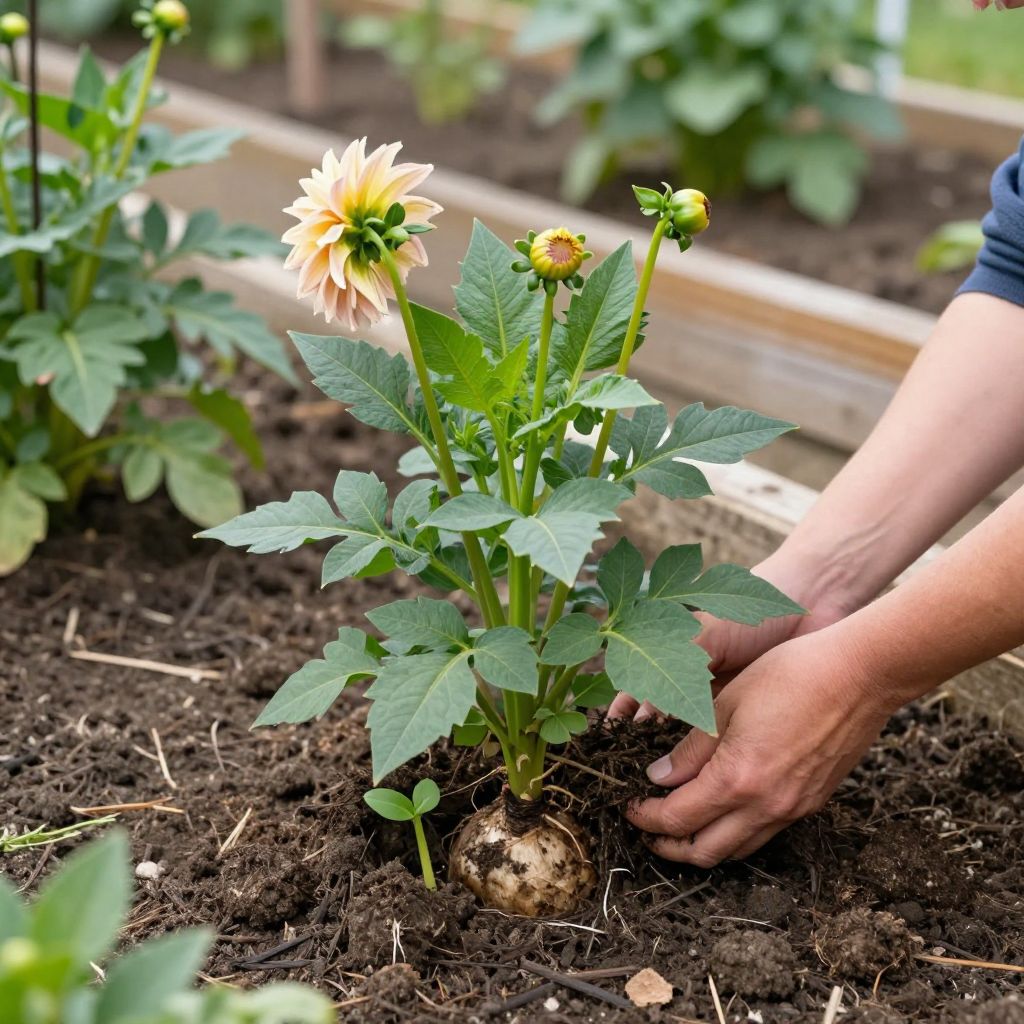
Do dahlias come back? In many gardens, yes—but it depends on your climate, soil drainage, and how you store the tubers over winter. Dahlias are tender perennials, so they can return year after year when their underground tubers survive the cold.
If winter temperatures are too harsh or the soil stays wet and cold, dahlias may rot or freeze. The good news is that with the right care, you can often keep them going for many seasons, even in colder regions.
Do dahlias come back?
Dahlias come back from their tubers if those tubers survive winter. In mild climates they may remain in the ground, but in colder areas you usually need to lift and store them after frost. Their return depends less on the flowers themselves and more on protecting the underground crown from freezing and rot.
How dahlias grow and survive from year to year
Dahlias grow from fleshy tubers attached to a crown. The tubers store energy, while the crown holds the growing points that produce next season’s shoots. If the crown is damaged, dried out too much, or rots, the plant may not return even if the tubers look healthy.
What makes a dahlia perennial?
Botanically, dahlias are tender perennials. That means they can live for more than one year, but only if conditions suit them. In warm, frost-free or lightly frosted climates, they may overwinter outdoors. In colder climates, gardeners usually treat them as tender and dig them up.
Why some dahlias fail to return
- Freezing temperatures that damage the tubers or crown
- Wet winter soil that causes rot
- Improper storage that dries the tubers out too much
- Cutting off the crown when lifting or dividing
- Pests or disease weakening the plant before winter
Can you leave dahlias in the ground over winter?
Sometimes, yes. If you garden in a mild climate with well-drained soil and winters that do not freeze deeply, dahlias may survive in the ground. Even then, a thick mulch layer can help protect the tubers from temperature swings. In colder or wetter areas, leaving them in place is risky.
When in-ground overwintering is more likely to work
- Soil drains quickly and does not stay soggy
- Winter temperatures are mild or only lightly frosty
- The planting site is sheltered from standing water
- You mulch after the first frost, not too early
When you should dig them up
- Ground freezes hard in winter
- Soil stays wet for long periods
- You want to divide tubers or move the plant
- Your garden has heavy clay that holds water
How to help dahlias come back next season
Good summer care improves winter survival. Healthy, well-fed plants are more likely to form strong tubers and a sturdy crown. Focus on sunlight, drainage, and steady care rather than pushing growth with too much fertilizer or water.
Plant them in the right spot
- Sunlight: Full sun is best in most climates, usually at least 6 hours daily.
- Soil: Loose, fertile, and well-drained soil helps roots and tubers develop properly.
- Airflow: Good spacing reduces fungal problems.
- Drainage: Avoid low spots where water collects after rain.
Water wisely
Water deeply when the top layer of soil begins to dry, especially during hot weather and while plants are actively blooming. Avoid constant soggy soil, which can weaken roots and encourage rot. Once the plant is established, consistent but not excessive moisture is better than frequent shallow watering.
Feed for strong tubers, not just big leaves
Use compost or a balanced, low-nitrogen approach rather than overfeeding with high-nitrogen fertilizer. Too much nitrogen can give you lush foliage and fewer flowers, and it can also produce weak, soft growth that stores poorly. Compost improves soil structure and supports healthier tuber formation.
What to do in fall so dahlias return
The way you handle dahlias at the end of the season matters a lot. After frost blackens the foliage, the plant stops actively growing and the tubers begin preparing for dormancy. That is the right time to decide whether to leave them in place or lift them.
If you are leaving them in the ground
- Wait until frost has killed the top growth.
- Cut stems back to a few inches above the soil.
- Apply a dry mulch layer if your climate allows overwintering outdoors.
- Keep the site from becoming waterlogged through winter.
If you are digging them up
- Cut stems down after frost.
- Carefully loosen the soil around the clump with a fork or spade.
- Lift the tubers gently to avoid snapping the crown.
- Let excess soil dry off in a sheltered place.
- Store the clump in a cool, dark, frost-free spot with moderate humidity.
Important: The crown is the most important part to protect. Tubers without a viable crown usually will not sprout again.
How to store dahlia tubers so they return
Storage is where many gardeners lose dahlias. The goal is to keep tubers cool, dry enough to avoid rot, and not so dry that they shrivel. A storage area that is too warm can trigger premature sprouting, while one that is too damp can cause decay.
Best storage conditions
- Cool: Frost-free, but not warm
- Dark: Helps keep tubers dormant
- Ventilated: Reduces mold and rot
- Moderately humid: Prevents shriveling without encouraging decay
Common storage mistakes
- Storing tubers in sealed plastic bags without airflow
- Letting them dry out completely
- Keeping them in a space that freezes
- Storing damaged or diseased tubers with healthy ones
Check stored tubers occasionally. Remove any that are soft, moldy, or rotting before the problem spreads. If they are shriveling badly, the storage area may be too dry; if they are mushy, it may be too damp.
How to tell if a dahlia is coming back in spring
Be patient. Dahlias often emerge later than many perennials, especially if the soil is still cool. A tuber can be alive even if you do not see growth right away. Do not dig it up too soon just to check.
Signs of life to look for
- Small shoots appearing at the crown
- Firm tubers with no foul smell
- New growth from the soil line after temperatures warm
When to worry
If the tubers are soft, blackened, hollow, or foul-smelling, they may have rotted. If they are dry and brittle, they may have desiccated in storage. In either case, the plant may not return, though a healthy division from the same clump might still survive if the crown was intact.
Can you divide dahlias to make more plants?
Yes, and division can help dahlias come back stronger if done carefully. Dividing tubers lets you multiply plants and remove damaged sections, but each division must include part of the crown and at least one viable eye or growth point. A tuber by itself usually will not grow.
Tips for dividing safely
- Wait until you can clearly see growth points or eyes.
- Use clean, sharp tools to reduce disease spread.
- Keep each division attached to a piece of crown.
- Discard soft, diseased, or badly damaged sections.
If you are new to dividing, it is often easier to wait until late winter or early spring, when the eyes are easier to spot. That makes it less likely you will accidentally remove the part that will sprout.
Common pests and diseases that affect return growth
Healthy dahlias are more likely to survive winter and return the next year. Problems during the growing season can weaken the tubers, making them less able to store energy or resist rot.
Watch for these issues
- Slugs and snails: They chew young shoots and leaves.
- Aphids: They cluster on tender growth and can spread disease.
- Powdery mildew: More likely in crowded, dry-air conditions.
- Rot: Often linked to wet soil or poor storage.
- Virus symptoms: Mottled leaves, stunting, or distorted growth may indicate a serious problem.
Simple prevention steps
- Keep plants spaced for airflow.
- Remove damaged foliage promptly.
- Water at the base rather than soaking the leaves.
- Clean tools before dividing or cutting plants.
- Do not save tubers from plants that showed strong virus symptoms.
Growing dahlias in pots: will they come back?
Container-grown dahlias can come back too, but pots need extra attention. The soil in containers freezes and dries out faster than garden soil, so tubers are more exposed to winter damage. In colder climates, it is usually safer to lift and store tubers from pots as well.
Container care that helps overwintering
- Use a pot with drainage holes.
- Choose a free-draining potting mix.
- Do not let the container sit in standing water.
- After frost, cut back the stems and store the tubers if your winter is cold.
Quick checklist for better comeback success
- Plant in full sun with excellent drainage.
- Water consistently, but avoid soggy soil.
- Use compost and avoid excessive nitrogen.
- Let foliage die back naturally after frost.
- Lift tubers in cold or wet climates.
- Store them cool, dark, and protected from freezing.
- Check the crown and eyes before dividing or replanting.
Conclusion: the short answer and your next step
So, do dahlias come back? Yes, they often do if the tubers survive winter and the crown stays healthy. Your best next step is to decide whether your climate allows in-ground overwintering or whether you should lift and store the tubers before hard frost. That one decision makes the biggest difference in whether dahlias return next year.
If you want to keep improving your flower beds, consider reading more about dahlia growing and perennial flower care and other practical garden maintenance tips for seasonal plants.