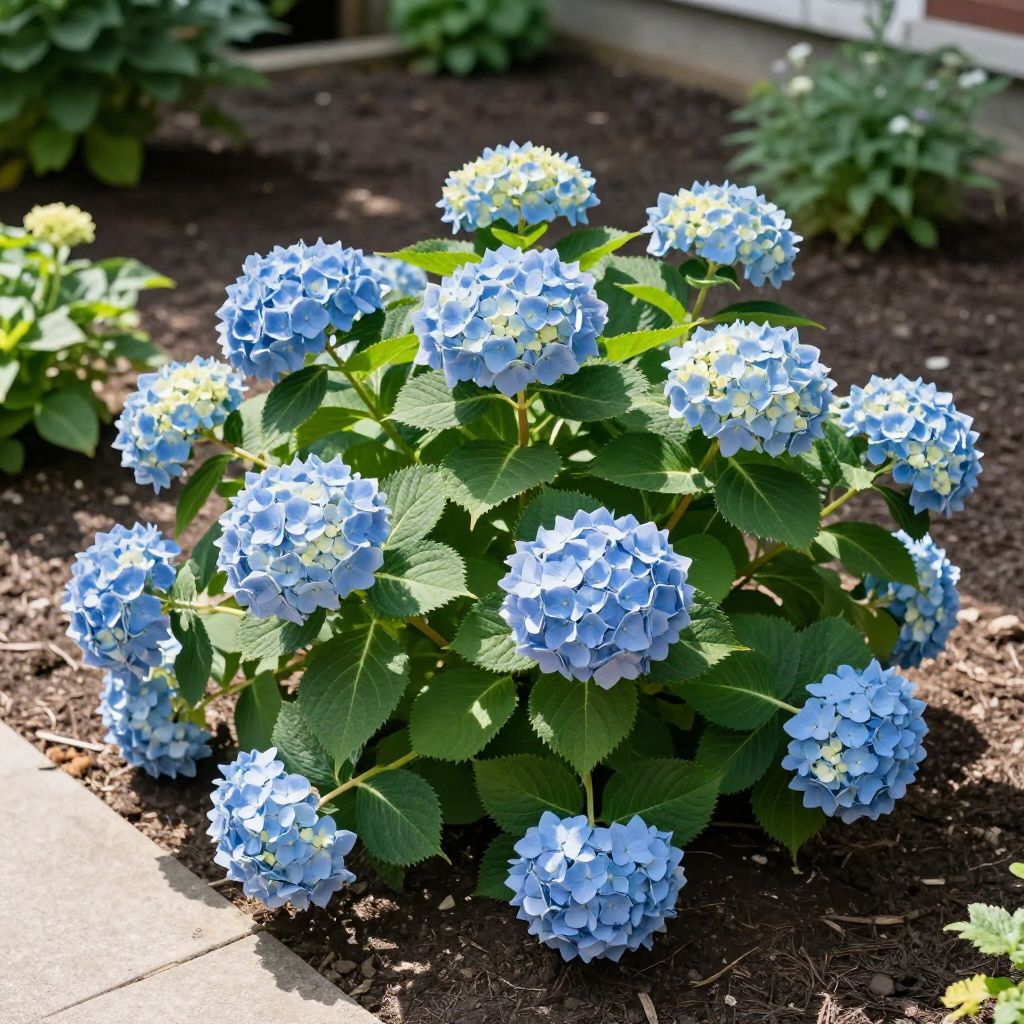
Are hydrangeas full sun? In most gardens, the safest answer is no: hydrangeas usually grow best with morning sun and afternoon shade, especially in hotter climates. Some types can handle more direct light than others, but too much intense sun often leads to drooping leaves, scorched flowers, and dry soil.
If you want healthy blooms, the real goal is not “full sun” but the right balance of light, moisture, and soil. With a good planting site and steady care, hydrangeas can be long-lived, reliable shrubs that flower beautifully without baking all day.
Are hydrangeas full sun?
Usually, no. Most hydrangeas prefer partial sun or dappled light rather than all-day direct sun. In cooler regions, they may tolerate more sun, but in warm or hot climates they often perform best with morning sun and afternoon shade to protect leaves, flowers, and soil moisture.
How much sun hydrangeas really need
Hydrangeas are not all the same. Light tolerance depends on the species, your climate, and how much moisture the plant can access.
General light guide
- Morning sun, afternoon shade: ideal for many hydrangeas.
- Filtered sun: works well under high tree canopy or on the east side of a house.
- Full sun: possible in cooler climates or with moisture-loving, well-established plants, but it is not the default recommendation.
- Deep shade: usually reduces flowering and can make stems weak and leggy.
If your climate has hot afternoons, the difference between “sun” and “too much sun” can be dramatic. A plant that looks fine in spring may struggle by midsummer if it gets blasted by hot, reflected light from walls, pavement, or fences.
What happens in too much sun?
- Leaves wilt in the afternoon even when the soil is moist.
- Flower heads fade, brown, or dry out faster.
- Soil dries quickly, stressing shallow roots.
- New growth may look scorched at the edges.
Hydrangeas are naturally moisture-sensitive shrubs, so strong sun plus dry soil is the combination that causes the most trouble.
Which hydrangeas handle more sun?
Some hydrangeas tolerate brighter sites better than others, but none are truly “plant anywhere in full sun” shrubs in every climate.
Common types and light tolerance
- Bigleaf hydrangea (Hydrangea macrophylla): usually prefers morning sun and afternoon shade; can scorch easily in hot regions.
- Panicle hydrangea (Hydrangea paniculata): generally the most sun-tolerant and often handles more direct light, especially in cooler areas.
- Smooth hydrangea (Hydrangea arborescens): tolerates more sun than bigleaf types if soil moisture is consistent.
- Oakleaf hydrangea (Hydrangea quercifolia): usually prefers part shade; too much sun can stress it in hot climates.
Even among these, local conditions matter. A panicle hydrangea in a cool northern garden may take more sun than the same plant in a hot, dry southern exposure.
Best planting spot for hydrangeas
The best site gives hydrangeas enough light to bloom well without exposing them to harsh afternoon heat. Start by observing your garden through the day before you plant.
Look for these conditions
- Morning sun with shade by early afternoon.
- Well-drained soil that still holds some moisture.
- Protection from hot reflected heat near walls, driveways, or patios.
- Room for air movement without constant drying wind.
A good rule is to choose a site where the plant gets about 4 to 6 hours of gentler sun, then shade during the hottest part of the day. In cooler climates, hydrangeas may accept more sun if the soil stays evenly moist.
What to avoid
- South- or west-facing spots with intense afternoon sun in hot climates.
- Shallow, fast-drying soil under eaves or overhangs.
- Areas next to heat-radiating stone, brick, or concrete.
- Low spots where water sits after rain.
Soil, compost, and drainage
Hydrangeas grow best in soil that is rich, moist, and well drained. They dislike soggy roots, but they also dislike drying out for long periods.
Improve the soil before planting
- Loosen the planting area wider than the root ball.
- Mix in compost to improve moisture retention and soil structure.
- Check drainage by watering the hole and seeing how quickly it empties.
- If soil stays wet for hours, plant on a slight mound or choose a better site.
Compost is especially helpful because it adds organic matter that supports steady moisture without making the soil heavy. Avoid overloading the planting hole with rich amendments only in the hole; blend them into the surrounding soil so roots can spread naturally.
Soil pH and flower color
For bigleaf hydrangeas, soil pH can influence flower color in certain cultivars. Acidic soil may encourage blue tones, while more alkaline soil may lean pink. This does not apply equally to every hydrangea, and light levels still matter more for plant health than color changes.
Watering hydrangeas in sun
Hydrangeas in brighter sites need closer attention to watering because sun increases evaporation and root stress. The goal is deep, even moisture, not constant sogginess.
Watering tips that help
- Water at the base of the plant, not over the leaves.
- Water deeply so moisture reaches the root zone.
- Check soil with your finger; water when the top few inches begin to dry.
- Use mulch to slow evaporation and keep roots cooler.
Newly planted hydrangeas need more frequent attention than established shrubs. Once rooted, they still benefit from steady moisture during hot spells, especially if they receive more than a few hours of sun.
Mulch matters
A 2- to 3-inch layer of organic mulch helps conserve moisture and moderate soil temperature. Keep mulch a few inches away from the stems so the crown does not stay wet.
How to tell if your hydrangea is getting too much sun
Your plant will usually show stress before it fails completely. Watch for these signs during warm weather:
- Leaves droop in the afternoon but recover at night.
- Flower clusters brown or crisp early.
- Leaf edges turn tan or papery.
- The plant needs water much more often than nearby shrubs.
- Growth slows and blooms are smaller than expected.
These symptoms can also overlap with drought, poor drainage, or root stress, so check the soil before assuming sun is the only issue. If the plant is in a hot, exposed location, light stress is often part of the problem.
Can hydrangeas grow in full sun?
Sometimes, but only under the right conditions. Panicle hydrangeas are the most likely to cope with more sun, and even they usually do better with some afternoon protection in hotter climates.
When full sun may work
- You garden in a cooler climate with mild summers.
- The soil stays consistently moist and mulched.
- The plant is well established, not newly planted.
- You choose a more sun-tolerant type, such as a panicle hydrangea.
When gardeners say a hydrangea “likes full sun,” that usually means it can tolerate more light than other hydrangeas, not that it thrives in hot, dry, all-day exposure.
Pruning and maintenance for sun-exposed hydrangeas
Pruning does not solve a poor light site, but it can help keep the plant healthy and open. The right pruning depends on the hydrangea type, so identify the species before cutting.
Practical maintenance steps
- Remove dead or damaged stems in late winter or early spring if appropriate for the type.
- Cut out weak or crossing stems to improve airflow.
- Deadhead spent blooms if you want a tidier look, but avoid heavy pruning unless you know the plant’s flowering habit.
- Refresh mulch each season as needed.
Avoid hard pruning just because the plant looks stressed from sun. If the site is too hot, the better fix is usually more shade, better soil moisture, or a transplant to a kinder location.
Pests and diseases made worse by stress
Hydrangeas under sun and drought stress are more vulnerable to problems. A healthy plant in the right site is less likely to struggle.
Common issues to watch for
- Powdery mildew: can appear when plants are stressed or airflow is poor.
- Leaf scorch: often linked to heat, sun, and dry roots.
- Aphids: may cluster on new growth.
- Spider mites: more likely in hot, dry conditions.
If pests appear, first improve growing conditions. Water stress and heat often make the problem worse than the insects themselves. Remove badly damaged leaves, and use gentle control methods if needed.
How to rescue a hydrangea in too much sun
If your hydrangea is already planted in a hot spot, you may still be able to improve its performance without moving it right away.
- Add mulch to reduce moisture loss.
- Water deeply during dry spells, especially in the morning.
- Use temporary shade cloth or a garden umbrella during extreme heat.
- Plant nearby shrubs or tall perennials that can provide filtered afternoon shade over time.
- Consider transplanting in a cooler season if the site is clearly unsuitable.
Temporary shade can help during heat waves, but long-term success usually depends on choosing a better location. If the plant repeatedly wilts every afternoon, that is a strong sign the site is too exposed.
Best companion planting and landscape placement
Hydrangeas look best when their light needs match the surrounding plants and structures. Pair them with shrubs and perennials that also enjoy part shade if your garden is bright but not harsh.
Smart placement ideas
- East side of a house for gentle morning light.
- Under high, open tree branches for dappled shade.
- Near a fence or wall that blocks late-day sun without reflecting too much heat.
- As part of a mixed border where taller plants give afternoon cover.
Try to avoid placing hydrangeas where they will compete with tree roots for water, especially if the site is already sunny. Competition plus heat is a common reason hydrangeas fail to thrive.
Conclusion
So, are hydrangeas full sun? Usually not. Most hydrangeas do best with morning sun and afternoon shade, while some panicle types can handle more light in cooler gardens. If you want strong blooms, focus on the right mix of light, moisture, mulch, and soil health.
If you are planning a new planting, spend a day observing your yard before you dig. A better site now will save you from constant wilting, scorched leaves, and disappointing flowers later. For more practical plant care guidance, you may also find it helpful to read about how to grow hydrangeas and shade garden plants.