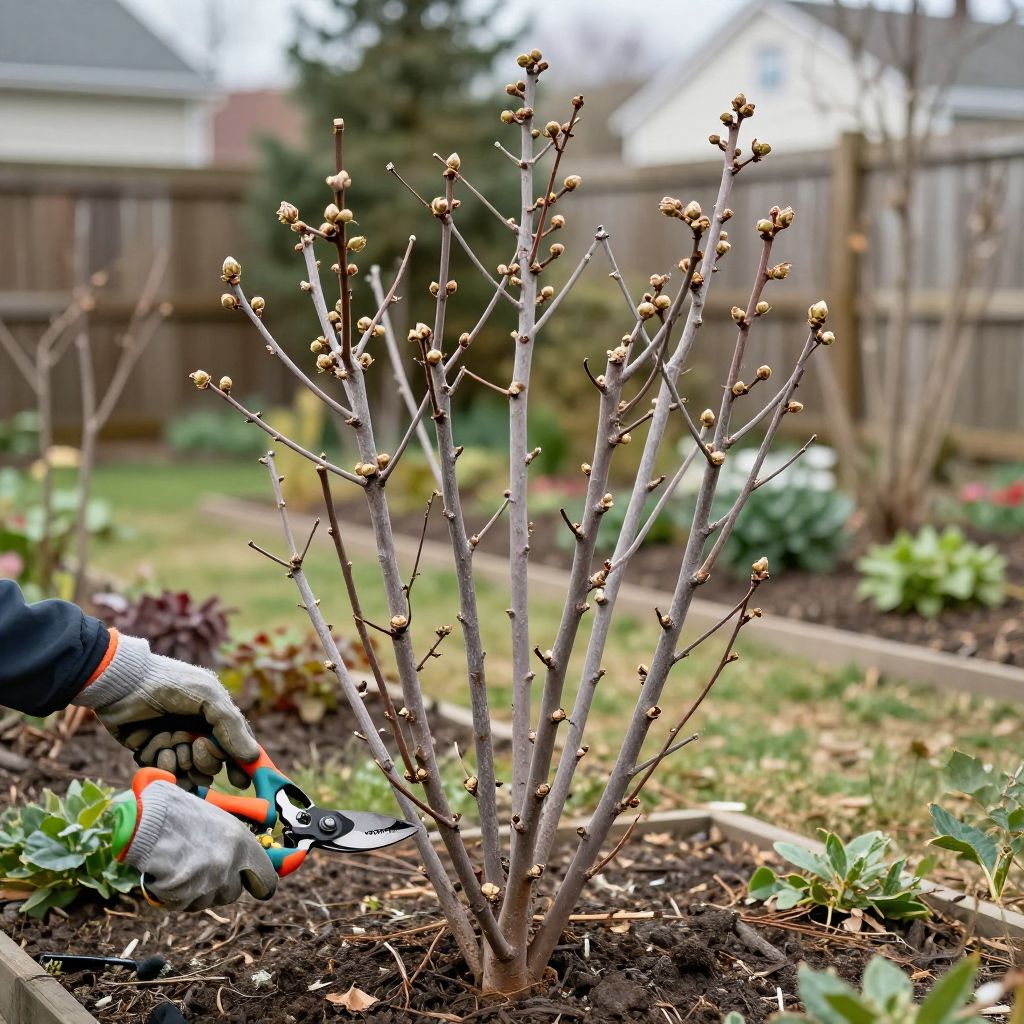
Wondering when to prune rose of Sharon without sacrificing flowers? The best time is usually late winter to early spring, before new growth starts, because the shrub blooms on new wood. That timing lets you shape the plant, remove damage, and reduce size with the least impact on flowering.
If you prune at the wrong time, you may cut off the buds that would have opened later that season. The good news is that rose of Sharon is forgiving, and with the right timing and technique, you can keep it healthy, tidy, and full of blooms.
When to prune rose of Sharon?
Prune rose of Sharon in late winter or very early spring, while the shrub is still dormant and before buds begin to swell. Because it blooms on new wood, this is the safest time to shape the plant, thin crowded stems, and remove winter damage without greatly reducing summer flowers.
Why timing matters for rose of Sharon
Rose of Sharon, Hibiscus syriacus, sets its flowers on the current season’s growth. That means the branches it grows this spring are the ones that will carry flowers later in summer.
Pruning too early in the dormant season is usually fine, but pruning too late in spring can remove developing shoots and delay flowering. Heavy pruning after growth has started may also stimulate fresh leafy growth at the expense of blooms.
Best pruning window by season
- Late winter to early spring: Best overall time for most pruning jobs.
- After leaf-out has begun: Only light corrective pruning if needed.
- Mid-summer: Remove spent flowers or damaged stems if necessary, but avoid major cuts.
- Fall: Usually not ideal, since fresh cuts may be more vulnerable to winter damage.
How to prune rose of Sharon step by step
Start with clean, sharp pruners or loppers. For large stems, a pruning saw may be helpful. Make cuts just above a healthy outward-facing bud or branch junction.
- Remove dead, broken, or diseased wood first. Cut back to healthy tissue or to the branch collar.
- Thin crowded stems. Remove weak, crossing, or inward-growing branches to improve airflow and light.
- Shorten overlong stems. Cut back to a side branch or bud to keep the shrub in scale.
- Shape the plant lightly. Aim for a natural, vase-like form rather than a tight, formal outline.
- Step back and reassess. Stop often so you do not overcut one side or remove too much at once.
How much can you remove?
Rose of Sharon tolerates pruning well, but that does not mean it needs a severe haircut every year. For routine maintenance, remove only what is necessary to control size and improve structure.
If the shrub is overgrown, you can cut it back harder in late winter, but avoid removing so much that the plant is left with very few healthy stems. A moderate approach usually gives a better balance of shape and flowering.
What kind of pruning does rose of Sharon need?
Most shrubs need three kinds of pruning: cleaning, thinning, and shaping. Rose of Sharon responds well to all three, especially when it has become dense or leggy.
1. Cleaning cuts
These remove dead, damaged, or diseased stems. This is the first thing to do every year, even if you make no other cuts.
2. Thinning cuts
Thinning opens the center of the shrub and reduces crowding. This helps sunlight reach more of the plant and can improve flowering and overall vigor.
3. Heading cuts
Heading cuts shorten stems to control height or encourage branching. Use them sparingly if you want a more natural shape, since repeated heading can create a dense, twiggy look.
Common pruning mistakes to avoid
- Pruning too late in spring: You may remove developing flower shoots.
- Shearing into a ball or box: This often creates dense outer growth and a bare interior.
- Removing too much at once: Severe cuts can stress the shrub and lead to weak regrowth.
- Ignoring suckers or low shoots: These can create a messy base if not managed.
- Using dull, dirty tools: Ragged cuts heal poorly and can spread disease.
How to prune an overgrown rose of Sharon
If your shrub has become too tall, wide, or crowded, you can renovate it gradually. The safest method is usually to spread the work over one to three seasons rather than removing everything at once.
- In late winter, remove dead and weak stems first.
- Cut out a portion of the oldest stems at the base to encourage fresh growth.
- Shorten the tallest stems to a reasonable height, but leave enough branching for the plant to recover well.
- Repeat the process the following year if more reduction is needed.
This slower approach helps preserve flowering and reduces shock, especially on older shrubs that have been neglected for years.
Should you deadhead rose of Sharon?
Deadheading spent flowers is optional. It can neaten the shrub and may reduce self-seeding on some varieties, but it will not usually transform the plant’s overall bloom performance.
If you want to limit seedlings, remove faded flowers before they form seed pods. If you do not mind a few seedlings, you can skip deadheading and simply enjoy the long bloom period.
How to tell if your timing is off
Rose of Sharon is often forgiving, but a few signs can tell you the shrub was pruned at the wrong time or too hard.
- Few or no flowers: Often caused by pruning after new growth began.
- Lots of leafy shoots, few blooms: The shrub may have been cut back very hard or fertilized too heavily with nitrogen.
- Ragged regrowth: Usually from repeated shearing or cutting with dull tools.
- Weak, crowded interior growth: A sign the plant needs thinning, not just shortening.
Pruning care after the cuts
After pruning, give the shrub a little support so it can recover well. In most gardens, that means steady moisture, mulch, and a quick check for pests or disease.
What to do after pruning
- Water deeply if the soil is dry, especially during spring dry spells.
- Add a 2- to 3-inch layer of mulch, keeping it a few inches away from the stems.
- Watch for new growth and remove any broken stubs that you missed.
- Skip heavy fertilizing unless a soil test or poor growth suggests a real need.
Rose of Sharon generally prefers full sun and well-drained soil. In shade, it may grow but flower less heavily, and in soggy soil it can struggle no matter how well you prune it.
Growing conditions that affect pruning needs
The better the growing conditions, the less corrective pruning you usually need. A healthy shrub in the right spot tends to develop a stronger structure and fewer problem stems.
Sunlight
Full sun usually gives the best flowering and sturdier growth. In partial shade, the plant may become lankier and need more shaping.
Soil and drainage
Rose of Sharon does best in average garden soil that drains well. If your soil stays wet for long periods, root stress can make the shrub weaker and more prone to dieback.
Watering
Newly planted shrubs need regular watering while they establish. Mature shrubs are more tolerant of dry periods, but prolonged drought can reduce bloom quality and make pruning wounds recover more slowly.
Pests, disease, and pruning cleanup
Pruning is a good time to inspect the shrub for issues. Look for dead tips, canes with poor vigor, or leaves showing unusual spotting or distortion.
If you see damaged or diseased wood, remove it promptly and dispose of it rather than leaving it on the ground. Clean your tools between cuts if you are working on suspect stems, especially when moving from diseased tissue to healthy tissue.
Can you prune rose of Sharon in summer?
You can do light summer pruning if needed, but keep it minimal. Remove dead flowers, broken branches, or awkward shoots that are clearly out of place.
Avoid major summer pruning unless you have no other choice. Large cuts during active growth can reduce flowering and push the plant to produce more foliage instead of blooms.
Simple pruning checklist for beginners
- Wait until late winter or very early spring.
- Use clean, sharp tools.
- Remove dead, damaged, and crossing stems first.
- Thin crowded growth to open the center.
- Shorten only what is needed to control size.
- Do not prune heavily once buds and new shoots are active.
Conclusion: the best time and the best approach
If you are asking when to prune rose of Sharon, the safest answer is late winter to early spring, before new growth starts. That timing protects flower production while giving you the chance to shape the shrub, improve airflow, and remove winter damage.
For more seasonal shrub care and pruning basics, you may also want to explore related gardening guides on shrub maintenance and flowering landscape plants.