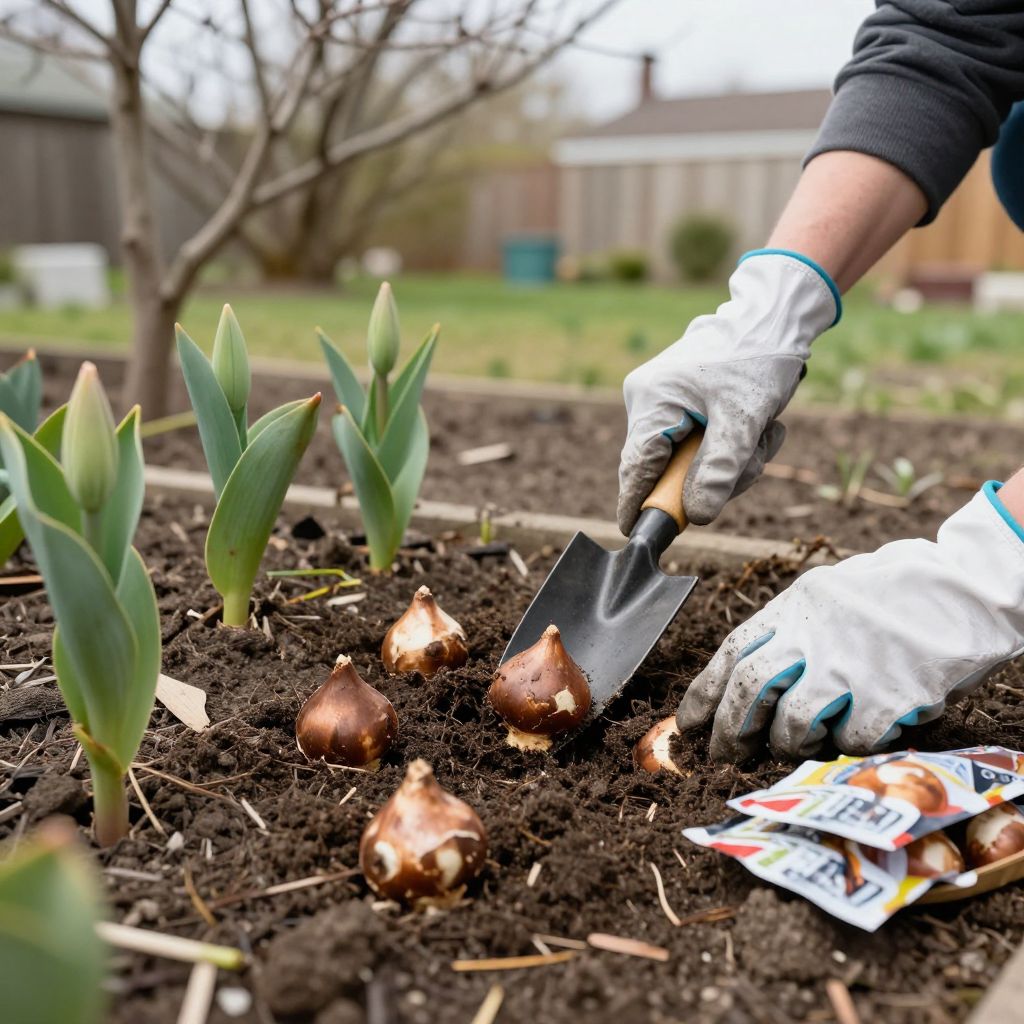
Can I plant tulips in the spring? It’s a common question when you find bulbs in a bag or notice a missed planting window. The short answer is yes, but spring planting usually won’t give you the same bloom performance as fall planting.
That doesn’t mean the bulbs are wasted. With the right handling, you can still grow tulips, but your results depend on bulb condition, local climate, and whether the bulbs have already been properly chilled.
Can I Plant Tulips In The Spring?
Yes, you can plant tulip bulbs in spring, but they are less likely to bloom well that same year unless they have already received enough cold exposure. Tulips are naturally planted in fall so they can root in cool soil and experience winter chilling before flowering in spring.
Why Tulips Are Usually Planted In Fall
Tulips need a period of cold dormancy to trigger flower development. In many climates, fall planting gives bulbs time to establish roots before winter and then bloom when temperatures rise.
If you plant in spring, the soil is often warming too quickly for strong root growth. The bulb may survive, but it may produce only leaves, a weak flower, or no bloom at all.
What spring planting usually means for blooms
- No bloom the first year is common if the bulb did not get enough chill time.
- Flowers may be smaller or shorter-lived than expected.
- Some bulbs may still bloom the following year if they establish well.
- Forcing or pre-chilling can improve results for some gardeners.
When Spring Planting Might Still Work
Spring planting is most likely to succeed if the bulbs were stored properly and already had a long cold period. In colder climates, bulbs planted very early in spring may still root into cool soil before summer heat arrives.
It can also be worth trying if you found healthy, firm bulbs late or if you want to save bulbs you forgot to plant in fall. Just adjust your expectations: think of it as a recovery planting, not a guaranteed spring display.
Bulbs that are worth planting
- Firm bulbs with intact outer skins
- Bulbs with no mold, soft spots, or rot
- Bulbs that still feel heavy for their size
- Bulbs stored in a cool, dry place
How To Plant Tulip Bulbs In Spring
If you decide to plant tulips in spring, treat them like you would in fall: give them excellent drainage, proper depth, and a sunny location. The difference is that spring-planted bulbs need especially careful handling because they are already behind schedule.
- Choose a site with full sun or at least 6 hours of direct light daily.
- Loosen the soil to improve drainage and root growth.
- Mix in compost if the soil is poor, but avoid heavy, wet amendments that hold too much moisture.
- Plant bulbs about 6 to 8 inches deep, or roughly three times the bulb’s height.
- Space bulbs several inches apart so air can move around them.
- Water once after planting to settle the soil, then water only if the soil dries out.
Best soil conditions
Tulips dislike soggy soil. They do best in loose, well-drained soil that does not stay wet after rain or irrigation. If your ground is clay-heavy, consider raised beds or planting in a sloped area where excess water can drain away.
A little compost helps improve structure, especially in sandy or compacted soil. However, avoid overloading the planting hole with rich organic matter, which can hold too much water around the bulb.
Should You Chill Tulip Bulbs Before Spring Planting?
In many warm climates, tulip bulbs need artificial chilling before planting if they are going into the ground in spring. Without enough cold exposure, they may not form flowers properly. This is especially important where winters are mild.
For garden tulips, chilling is often done in a refrigerator, not a freezer. Keep bulbs away from fruit, especially apples, because ripening fruit gives off ethylene gas that can damage flower bulbs.
Basic chilling guidelines
- Use a refrigerator, not a freezer.
- Store bulbs in a breathable paper bag or mesh bag.
- Keep them dry and away from fruits and vegetables.
- Check local guidance for the cold period tulips need in your climate.
Important: If bulbs have already been exposed to warmth for too long, chilling may not fully restore bloom quality. Planting them still may be worthwhile, but results can be inconsistent.
How To Care For Spring-Planted Tulips
Spring-planted tulips need steady but not excessive moisture. Their biggest risks are rot from wet soil and heat stress as temperatures rise. Good care is simple, but timing matters.
Watering
Water after planting and then only when the soil begins to dry. Tulip bulbs are prone to rot if they sit in wet ground. In rainy climates, you may not need to water again at all.
Sunlight
Give tulips as much sun as possible. Full sun helps bulbs recharge for next season and supports stronger stems. In very warm regions, morning sun with light afternoon shade can help reduce stress.
Mulch
A light mulch can help moderate soil temperature and reduce moisture loss, especially if spring weather turns hot quickly. Keep mulch thin and avoid burying the planting area too deeply, since bulbs need well-aerated soil.
What To Expect In The First Season
Do not be surprised if spring-planted tulips produce leaves but no flowers. That often means the bulb is rebuilding energy instead of blooming. The foliage is still important because it feeds the bulb for future growth.
If you get flowers, enjoy them, but resist the urge to cut the leaves too soon. Let the foliage remain until it yellows naturally so the bulb can store energy.
If your tulips bloom late or weakly
- Keep them in a sunny spot.
- Do not overwater after bloom.
- Remove faded flowers, but leave the leaves.
- Allow the foliage to die back naturally.
Common Problems With Spring-Planted Tulips
Most problems come from poor bulb quality, too much moisture, or planting too late in the season. Knowing the signs early can help you avoid losing the bulbs entirely.
Rotting bulbs
Soft bulbs, bad smell, or collapsing stems often point to rot. This is usually caused by poorly drained soil or planting bulbs that were already damaged.
Fix: Improve drainage, remove affected bulbs, and avoid replanting in the same soggy spot unless conditions change.
Only leaves, no flowers
This is common with spring planting, especially in warm climates or when bulbs did not receive enough chilling.
Fix: Let the foliage grow and feed the bulb. For future planting, chill bulbs properly or plant in fall.
Short stems and small blooms
Insufficient sun, crowded planting, or heat stress can lead to weak growth. Tulips need bright light and cool conditions for the best flower display.
Fix: Move future plantings to a sunnier site and plant at the correct depth.
Can You Plant Potted Tulips In Spring?
Yes, but potted tulips are a special case. If you bought a blooming pot from a garden center, the bulbs may have already been forced indoors. After flowering, you can plant the bulbs outside, but they may not bloom again right away.
Let the foliage stay on until it yellows, then plant the bulbs in the garden if the ground is workable. They may need a full season to recover before blooming again.
Should You Deadhead Or Cut Back Tulips?
After flowering, remove the spent bloom head so the plant does not waste energy making seed. Leave the green leaves in place until they fade naturally. Cutting the foliage too early weakens the bulb and reduces future bloom potential.
If you are growing tulips in a border or container, you can tidy the planting area once the leaves yellow and detach easily.
Can Spring-Planted Tulips Naturalize?
Spring-planted tulips are less likely to naturalize well than fall-planted bulbs, especially in warmer climates. Naturalizing means the bulbs return and multiply over time, which requires the right species, good drainage, and reliable seasonal cooling.
For the best chance of repeat blooms, choose a sunny, well-drained spot and avoid disturbing the bulbs once planted. Even then, some tulip types perform better as short-term displays than as long-term perennial plantings.
Practical Tips For Better Results
- Plant as early in spring as the soil can be worked.
- Use firm, healthy bulbs only.
- Avoid heavy clay unless you improve drainage first.
- Do not overwater newly planted bulbs.
- Keep foliage intact after bloom.
- Expect better results from fall planting in most climates.
Conclusion: Is Spring Planting Worth It?
Yes, you can plant tulips in the spring, but success depends on bulb quality, chilling, and drainage. If you have healthy bulbs and a cool, sunny site, it is worth trying. If your climate is warm or your soil stays wet, focus on fall planting for the best bloom.
For more bulb-growing guidance, you may also want to read about how to plant bulbs for strong spring flowers and caring for spring bulbs after blooming.