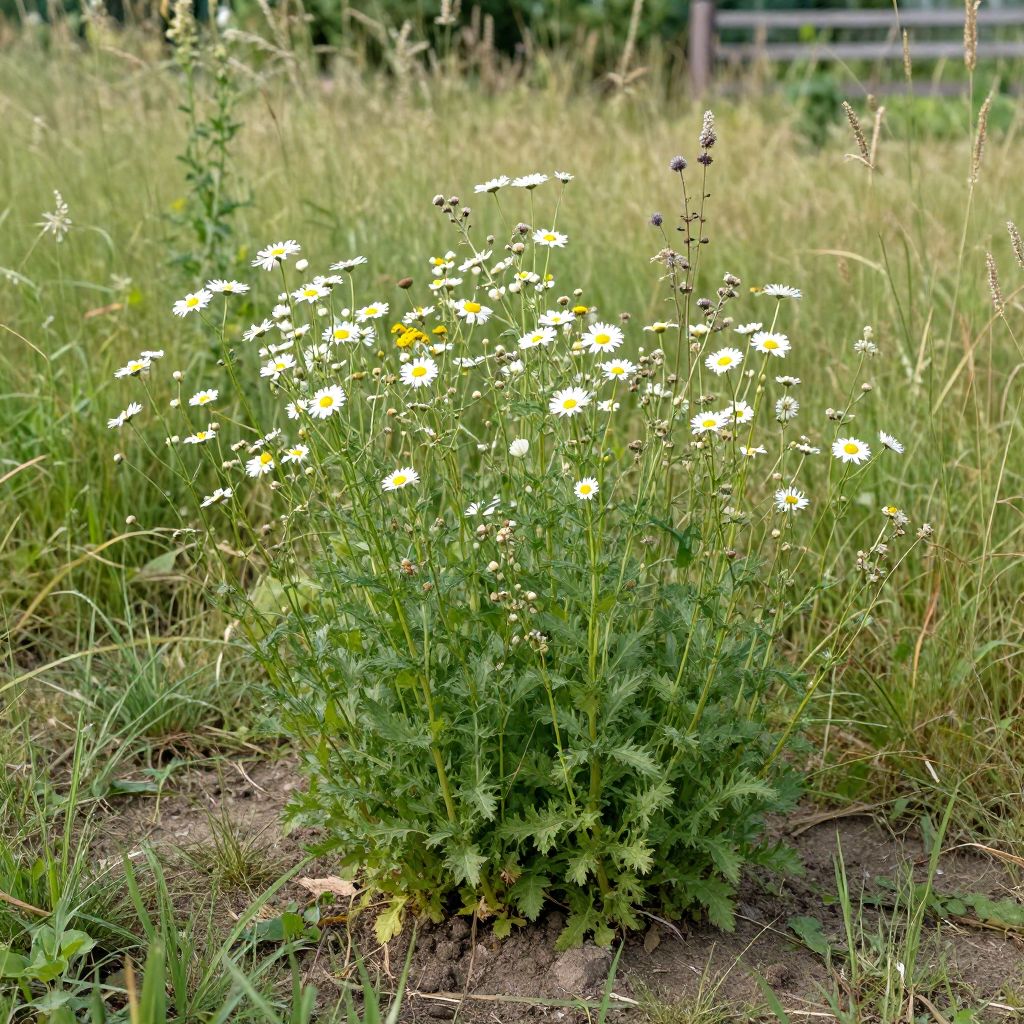
If you’re wondering, “Are wildflowers perennials?” the short answer is: some are, but many are annuals or biennials. A wildflower meadow can include all three life cycles, which is why results vary so much from one seed mix to another.
The key is to identify which wildflowers you’re growing and what conditions they need. Once you know that, you can choose the right seed mix, manage expectations, and keep the planting looking healthy year after year.
Are wildflowers perennials?
Yes, some wildflowers are perennials, meaning they return for several years from the same root system. But many wildflowers are annuals that complete their life cycle in one season, or biennials that flower in their second year. A successful wildflower planting often combines all three for continuous bloom and natural reseeding.
Understanding the different wildflower life cycles
Annual wildflowers
Annual wildflowers grow, flower, set seed, and die in one growing season. They often bloom quickly and give fast color, which makes them useful for first-year impact.
Common examples include California poppy in some climates, cornflower, and many annual cosmos types. These plants usually rely on reseeding if you want them back the following year.
Biennial wildflowers
Biennials usually form leaves in the first year, then flower and set seed in the second. They may seem slow at first, but they can be valuable in a meadow because they bridge the gap between annuals and perennials.
Foxglove and some sweet william types are familiar examples, though local climate can affect how long they behave as biennials.
Perennial wildflowers
Perennial wildflowers live for more than two years and often return from the crown, roots, or rhizomes. Some spread slowly, while others form clumps that expand over time.
Examples can include coneflower, black-eyed Susan, yarrow, and blanket flower, depending on species and region. These are the backbone of a long-lasting wildflower planting.
How to tell if your wildflowers will come back
The easiest way to know is to check the seed packet or plant label. Look for words like annual, biennial, or perennial, and pay attention to the botanical name if it’s listed.
- Annuals bloom once and usually need reseeding.
- Biennials need two seasons before flowering.
- Perennials should return if the site suits them.
If you bought a “wildflower mix,” assume it may contain all three. That mix can still be excellent, but it won’t behave like a bed of only perennial plants.
What perennial wildflowers need to thrive
Sunlight
Most perennial wildflowers prefer full sun, which usually means at least 6 hours of direct light a day. Some native woodland or shade-tolerant species are exceptions, but meadow-style plantings generally perform best in bright, open sites.
Soil and drainage
Wildflowers often do best in soil that is not overly rich. Very fertile soil can encourage lush foliage at the expense of flowers, especially with aggressive grasses or weeds competing for space.
Good drainage matters more than perfect soil. Many perennial wildflowers dislike waterlogged ground, so heavy clay may need improvement with organic matter or a raised bed if drainage is poor.
Moisture
Newly sown wildflowers need consistent moisture until they germinate and establish. After that, many perennial species become fairly drought-tolerant, though they still perform better with occasional deep watering during dry spells.
Overwatering is a common mistake. Wet soil can cause weak growth, rot, and poor flowering, especially in dense plantings.
How to plant perennial wildflowers for the best results
- Choose the right mix. Pick species suited to your climate, sun exposure, and soil moisture.
- Clear the site. Remove existing weeds, turf, and debris so seedlings are not outcompeted.
- Prepare the soil lightly. Rake the surface and create a fine, even seedbed. Avoid overworking the soil.
- Sow at the recommended depth. Many wildflower seeds need light to germinate, so some should be pressed into the soil rather than buried deeply.
- Water gently. Use a fine spray so seeds are not washed away.
- Protect the area. Keep foot traffic, birds, and pets off the bed while seedlings establish.
If you are planting plugs or transplants instead of seed, space them according to their mature spread. This is often the best choice when you want faster establishment and more reliable perennial performance.
Care tips for perennial wildflowers
Watering
Water new plantings regularly until roots are established. After that, most perennial wildflowers prefer deep, infrequent watering rather than frequent shallow watering.
In hot, dry weather, check the soil a few inches down. If it’s dry and the plants are wilting, give them a thorough soak at the base.
Mulching
A light mulch can help conserve moisture and suppress weeds, but keep it thin around small seedlings. Too much mulch can smother young wildflowers or keep the soil too cool and damp.
In meadow-style plantings, many gardeners skip heavy mulch and instead focus on weed control and proper plant spacing.
Feeding
Most perennial wildflowers do not need heavy feeding. In fact, too much fertilizer can lead to floppy growth and fewer flowers.
If your soil is extremely poor, a small amount of compost worked into the planting area before sowing is usually enough. Avoid rich, high-nitrogen feeding unless a soil test shows a real need.
Deadheading and pruning
Deadheading can extend bloom on some perennial wildflowers and keep the planting tidy. It may also prevent unwanted self-seeding if a plant is becoming too aggressive.
At the end of the season, many gardeners leave seed heads for birds and winter interest, then cut back dead stems in late winter or early spring. The best timing depends on your climate and the species involved.
Why perennial wildflowers sometimes fail to return
Even true perennials may disappear if the site is wrong or the planting is outcompeted. Common causes include poor drainage, too much shade, drought during establishment, aggressive weeds, and mowing too low too soon.
- Poor drainage: roots rot in soggy soil.
- Too much shade: flowering declines and plants weaken.
- Weed pressure: young perennials get shaded out.
- Overcrowding: dense sowing can reduce airflow and vigor.
- Wrong species for the site: a plant adapted to dry prairie conditions may struggle in wet clay.
Sometimes a planting fails because the “wildflower mix” was mostly annuals. If you expected a permanent display, check the seed makeup and add more true perennials the next season.
Common pests and diseases
Wildflowers are often fairly tough, but they are not trouble-free. Seedlings can be eaten by slugs, snails, birds, or rabbits, and mature plants may sometimes suffer from aphids, powdery mildew, or root rot.
Practical prevention
- Keep the area weed-free so pests have fewer hiding places.
- Water at the soil line rather than overhead when possible.
- Space plants well to improve air circulation.
- Remove diseased stems promptly if you notice mildew or spotting.
- Use physical barriers or netting if birds are pulling up seedlings.
Healthy, well-sited wildflowers usually need less intervention than stressed ones. Good drainage and enough sun solve many problems before they start.
How to keep a wildflower planting coming back year after year
If you want a long-term display, think beyond the first bloom season. Perennial wildflowers often need a little management to stay balanced and to prevent stronger species from crowding out the rest.
- Reseed thin spots in fall or spring, depending on your climate and species.
- Cut back aggressive growth if one plant starts dominating.
- Leave some seed heads for natural reseeding and wildlife.
- Divide clumping perennials every few years if they become crowded.
- Monitor weeds early before they set seed.
In many gardens, a wildflower area improves over time as perennial species establish and self-seed. The planting becomes more natural-looking and often more resilient after the first couple of seasons.
Best uses for perennial wildflowers in the garden
Perennial wildflowers are especially useful where you want a lower-maintenance planting with seasonal movement and wildlife value. They work well in borders, pollinator gardens, meadow strips, and informal naturalized areas.
They are also a smart choice for erosion-prone slopes, provided the species match the site. Deep-rooted perennials can help stabilize soil better than shallow-rooted annuals alone.
When to choose annuals instead
Annual wildflowers are better if you want fast color, a temporary display, or a quick fill while slower perennials establish. They’re also useful for experimenting with a site before committing to a permanent planting plan.
Many gardeners use both: annuals for first-year bloom and perennials for the long term. That combination often gives the most dependable and attractive result.
Conclusion
So, are wildflowers perennials? Some are, but not all. The best way to get lasting results is to choose species labeled perennial, match them to your site, and give them good drainage, sun, and time to establish. Start by checking your seed mix or plant labels, then fill gaps with true perennials where needed.
If you’d like to plan a longer-lasting planting, it can help to read more about native plant selection and meadow-style garden care before you sow.