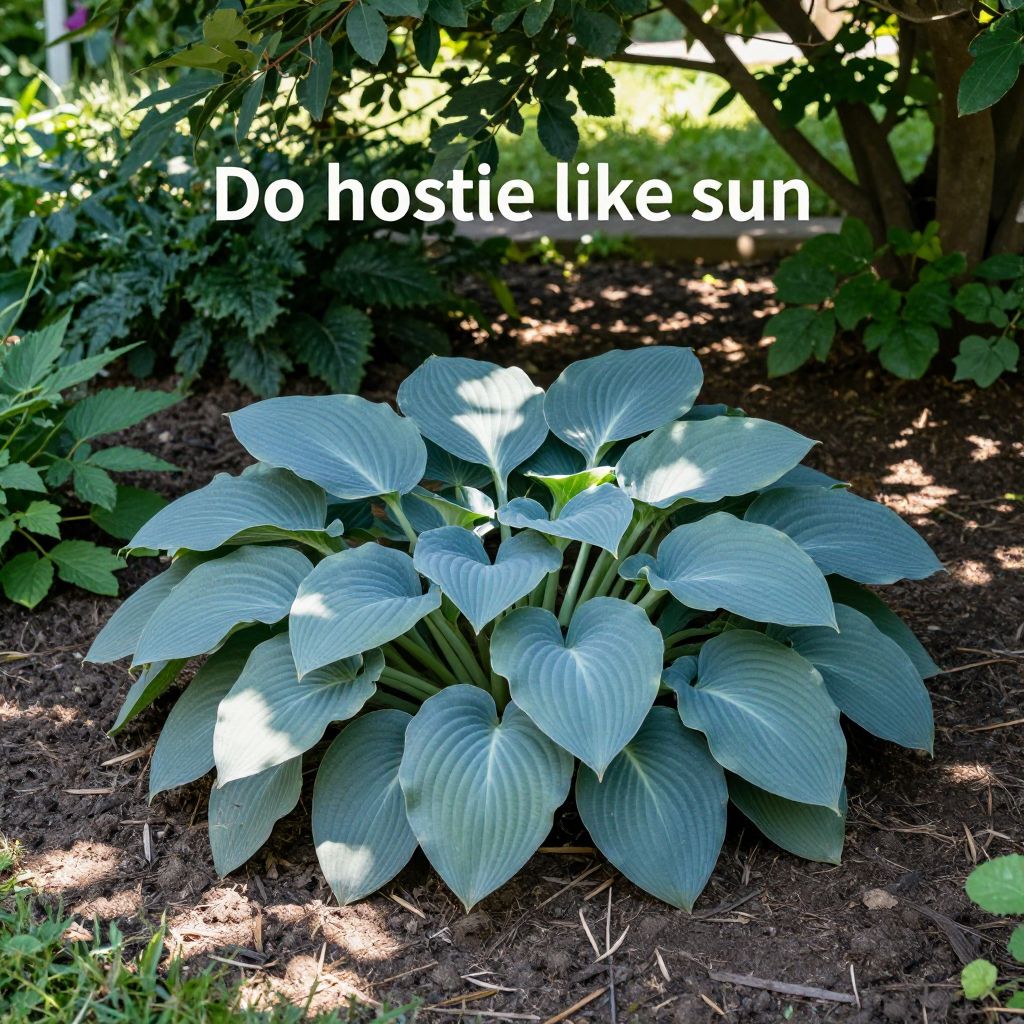
Do hostas like sun? Yes—but usually only gentle sun, not hot, all-day exposure. Hostas are classic shade-tolerant perennials, and most grow best with morning sun and afternoon shade, especially in warmer climates. Too much direct sun can scorch leaves, while too little light can leave plants weak and floppy.
The right amount of light depends on the variety, your climate, and how much moisture the soil holds. If you want lush, healthy foliage, the goal is to match the plant to the site and watch for signs that it needs more shade or a brighter spot.
Do hostas like sun?
Hostas generally prefer partial shade, but many can handle a few hours of sun if the soil stays evenly moist. In cooler regions, hostas may tolerate more morning sun; in hot or dry climates, they usually need more shade to prevent leaf scorch and stress.
How much sun hostas can handle
Most hostas do best with morning sun and afternoon shade. That usually means 2 to 4 hours of direct sun, though some varieties can take a bit more if conditions are cool and moist.
What changes the answer?
- Climate: Hotter summers mean less sun tolerance.
- Soil moisture: Moist, rich soil helps hostas cope with more light.
- Variety: Some hostas are bred to handle more sun than others.
- Leaf color: Blue-leaved hostas usually need more shade than green or gold types.
If you are unsure, start by giving hostas a brighter spot with filtered light or morning sun. You can always move young plants or divide and replant them later if the leaves show stress.
Signs your hosta is getting too much sun
Hostas often tell you when the light is too intense. The leaves may look bleached, papery, or scorched at the edges, especially by mid-summer.
Common symptoms of sun stress
- Brown, crispy leaf margins
- Yellowing or faded foliage
- Leaves curling or drooping during the day
- Growth that stalls in hot weather
- Burned patches between the veins
These symptoms can appear even if the plant is watered, because heat and strong light can dry leaves faster than roots can replace moisture. If the damage is repeated every year, the site is probably too sunny.
How to grow hostas in sunnier spots
Some hostas can be grown in sunnier locations if you manage moisture and improve the planting site. The key is to reduce stress rather than force the plant to adapt to harsh conditions.
- Choose the right location. Aim for morning sun, light afternoon shade, or dappled light under open trees.
- Prepare the soil. Work in compost or leaf mold to improve moisture retention and structure.
- Water deeply. Keep the root zone evenly moist, especially during heat waves and the first season after planting.
- Mulch the soil. A 2- to 3-inch layer of organic mulch helps cool roots and reduce evaporation.
- Watch the plant. If leaves scorch, move it to a shadier place or add more overhead protection.
Hostas in sunnier beds usually need richer soil and more consistent watering than those in shade. The more sun they get, the more important it is to avoid drought stress.
Best planting conditions for healthy hostas
Hostas prefer fertile, well-drained soil that holds moisture without staying soggy. They thrive in beds with plenty of organic matter and a pH that is typically slightly acidic to neutral.
Soil and drainage
Good drainage matters because hosta roots can struggle in waterlogged soil. At the same time, very sandy soil dries too fast and makes sun exposure harder to tolerate.
- Mix compost into the top 6 to 8 inches of soil before planting.
- Avoid low spots where water pools after rain.
- Use mulch to help stabilize soil moisture.
Spacing and airflow
Give hostas enough room to mature. Crowded plants dry out unevenly and are more likely to develop disease or slug damage in damp, shaded beds.
Good spacing also helps you see whether a plant is getting too much sun, since dense clumps can hide early scorch or pest problems.
Watering hostas in sun and shade
Hostas in shade usually need less frequent watering than hostas in sun, but the soil should still stay consistently moist. The best approach is to water deeply when the top inch or two of soil begins to dry.
Practical watering tips
- Water at the base of the plant, not overhead if possible.
- Check soil with your finger before watering again.
- Water more often during hot, windy, or dry periods.
- Newly planted hostas need closer attention than established clumps.
Try not to rely on a fixed weekly schedule. A shaded plant in cool clay soil may need far less water than a sunny plant in sandy soil, even in the same garden.
Which hostas handle more sun?
Not all hostas react the same way to light. In general, green and gold-leaved hostas tend to tolerate more sun than blue hostas, which often need more shade to keep their color and texture.
General color tendencies
- Blue hostas: Usually prefer more shade and cooler conditions.
- Green hostas: Often handle more sun if moisture is steady.
- Gold or chartreuse hostas: May enjoy a bit more light to bring out color, but still need protection from harsh afternoon sun.
Variety matters, but local conditions matter just as much. A hosta that thrives in morning sun in a cool coastal garden may scorch in a hot inland yard.
Seasonal care for hostas in sunny areas
Hostas are most vulnerable to sun stress in late spring and summer, when temperatures rise and the sun is strongest. In cooler months, the same planting spot may be perfectly acceptable.
Spring
As new shoots emerge, keep the soil moist and protect tender growth from sudden heat. This is a good time to add compost and refresh mulch.
Summer
Monitor leaves for scorch and water more carefully during heat waves. If the plant is in a borderline sunny spot, temporary shade from a patio umbrella, shade cloth, or nearby taller plants can help.
Fall
As temperatures drop, hostas often recover from summer stress and build energy for the next year. Remove spent foliage once it yellows and collapses naturally.
Common problems when hostas get too much sun
Sun stress often shows up alongside other issues. Dry soil, root competition from nearby trees, and poor drainage can all make a sunny site harder for hostas to tolerate.
Scorch versus disease
Leaf scorch usually appears on the sun-facing side of the plant and looks dry, brown, and crispy. Disease problems may create spots, streaks, or soft tissue instead. If you are unsure, inspect the whole plant and check soil moisture before assuming the sun is the only issue.
Slugs and pests
Shadier, damper hostas often attract slugs and snails, while sun-stressed hostas may be more vulnerable because weakened leaves recover poorly. Keep an eye out for irregular holes, slime trails, and ragged edges.
- Remove damaged leaves if they are badly scorched or torn.
- Keep mulch pulled slightly back from the crown to reduce rot.
- Clean up old foliage to reduce hiding places for pests.
How to fix a hosta that is getting too much sun
If your hosta is struggling, the best fix is usually to reduce light exposure and improve moisture retention. Small changes can make a big difference.
- Move the plant, if possible, to a site with morning sun only.
- Add organic mulch around the root zone.
- Water deeply during dry spells, especially for new transplants.
- Trim badly damaged leaves if they are mostly brown and unattractive.
- Use nearby shrubs, fences, or taller perennials to create filtered shade.
If the hosta is planted in a container, move the pot to a cooler location. Container-grown hostas dry out faster than those in the ground and can scorch more quickly in direct sun.
Can hostas grow in full sun?
In most gardens, full sun is not ideal for hostas. Some may survive in full sun in cooler regions with rich, moist soil, but they usually need extra care and may still show leaf burn in hot weather.
If you want a hosta to perform well in a brighter bed, treat full sun as a challenge, not the default. Expect more watering, more mulch, and a greater chance of seasonal decline compared with a shaded planting site.
Simple hosta care checklist
- Give hostas morning sun or filtered light when possible.
- Protect them from hot afternoon sun.
- Plant in rich, well-drained soil with compost.
- Keep the root zone evenly moist, not soggy.
- Mulch to conserve moisture and cool the soil.
- Watch for scorched leaf edges as an early warning sign.
Conclusion
So, do hostas like sun? They like some sun, but not harsh, prolonged sun. For the healthiest plants, aim for morning light, afternoon shade, and consistently moist, fertile soil. If your hosta is already in a sunny spot, start by improving mulch and watering, then judge whether it needs more shade or a new location.
For more practical shade-garden advice, you may also want to read about how to grow hostas and other shade-loving perennials.