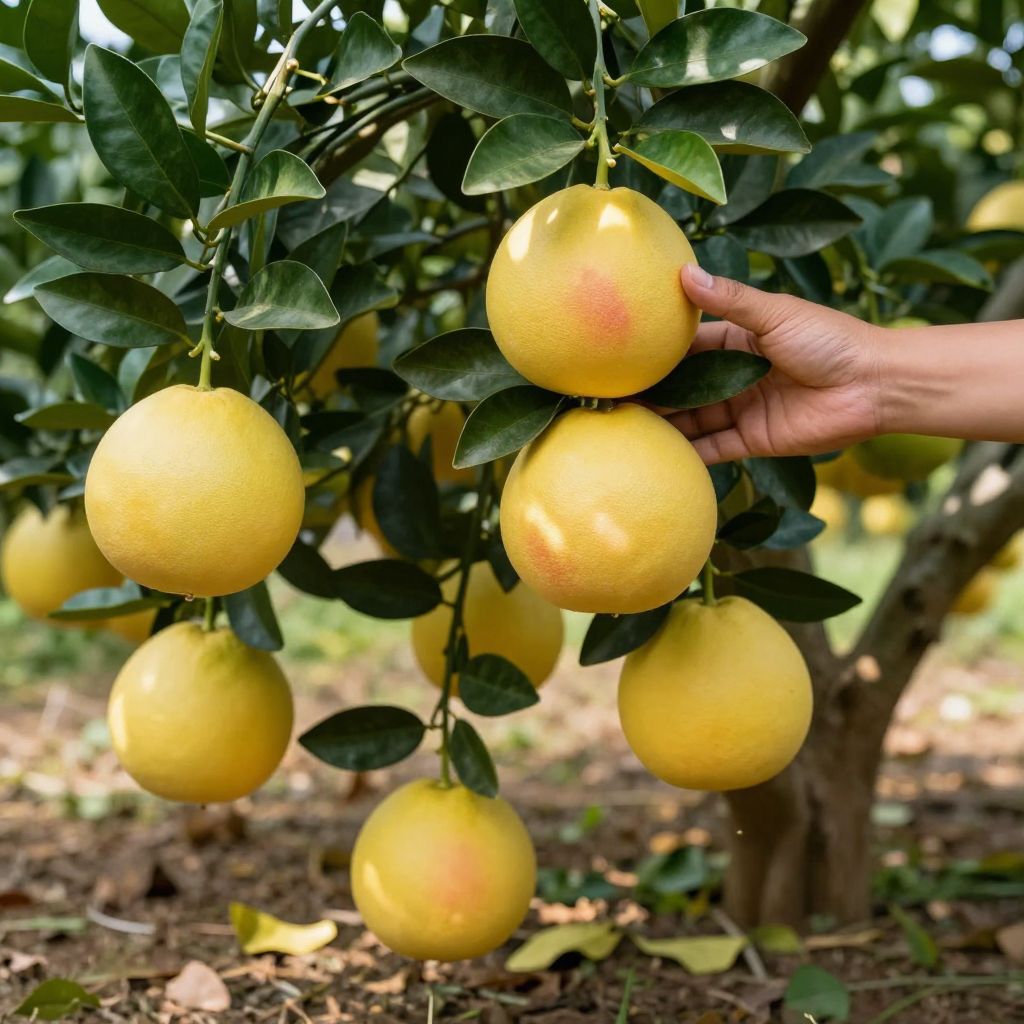
Wondering when is grapefruit season so you can pick the best fruit or plan your own tree care? Grapefruit ripens in the cooler months in most citrus-growing regions, but the exact season depends on your climate, variety, and whether the fruit is on the tree or sold in stores.
If you grow grapefruit at home, timing matters for flavor, harvest quality, and tree health. Knowing when fruit matures helps you avoid picking too early, manage watering, and protect blossoms and young fruit from weather swings.
When is grapefruit season?
Grapefruit season usually runs from late fall through spring, with peak harvest often in winter and early spring in warm citrus regions. Exact timing varies by cultivar and climate, but fruit is typically ready when it has reached full color, size, and flavor, and it separates from the tree with a gentle twist.
How grapefruit season varies by climate
Grapefruit trees are evergreen citrus that perform best in frost-free or very mild climates. In those regions, the fruit often hangs on the tree for months, which means the “season” can stretch longer than a short harvest window.
Warm citrus regions
In places with mild winters and hot summers, grapefruit often matures from late fall into spring. Fruit may remain on the tree well after it first looks ripe, and the flavor can improve with time.
Cooler or marginal climates
Where nights are cooler or frost is possible, fruit may mature earlier or need to be harvested before hard cold arrives. If you grow in a container or protected courtyard, the season may be a little different from nearby in-ground trees because the microclimate is warmer.
Store-bought grapefruit versus homegrown
Store fruit is usually harvested when it reaches commercial maturity, then shipped and stored. Homegrown grapefruit can be left longer on the tree, so it may taste sweeter and less acidic if you wait until it is fully colored and well developed.
How to tell when grapefruit is ripe
Color alone is not enough. Some grapefruit color up before the flavor is fully developed, and some varieties stay partly green even when ripe. Use several signs together.
- Size: The fruit should be close to the expected mature size for the tree.
- Color: Skin should show the variety’s mature color, though a little green can remain in warm climates.
- Aroma: Ripe fruit often has a noticeable citrus scent near the stem end.
- Feel: It should feel heavy for its size and slightly springy, not hard and dry.
- Taste test: If one fruit is ready, sample a few before harvesting the whole tree.
Best practice: Grapefruit does not continue to sweeten much after harvest, so wait until it tastes right on the tree.
Growing grapefruit successfully at home
If you want reliable fruit, focus on the tree’s basic needs year-round. Healthy trees produce better fruit, and better fruit is easier to time and harvest.
Sunlight and site
Grapefruit trees need full sun for strong growth and good fruit quality. Choose a site with at least 6 to 8 hours of direct sun daily, and avoid low spots where cold air settles or water lingers after rain.
Soil and drainage
Citrus prefers well-drained soil. Heavy clay can lead to weak roots, poor growth, and fruit drop, so improve drainage before planting if needed. A slightly raised planting area or berm can help in wet soils.
Grapefruit does best in soil that holds moisture without staying soggy. If your ground is dense or compacted, work in compost to improve structure, but do not create a rich, deep planting hole that acts like a bathtub.
Watering
Young trees need regular moisture while they establish, but mature trees perform best with deep, consistent watering rather than frequent shallow sprinkles. Let the top layer of soil dry slightly between waterings, then water thoroughly.
Irregular watering can cause fruit to split or drop. If rainfall is uneven in your area, mulch can help the soil stay more stable.
Mulch and feeding
Apply organic mulch in a broad ring under the canopy, keeping it a few inches away from the trunk. This helps conserve moisture, moderate soil temperature, and reduce weeds.
Use compost carefully and only as a soil-improving amendment or light topdressing. Overfeeding with nitrogen can encourage leafy growth at the expense of flowering and fruiting.
Planting and establishing a grapefruit tree
Plant grapefruit in spring or early summer in cooler regions so roots can establish before cold weather. In frost-free climates, planting can be more flexible, but mild weather is still easier on a young tree than extreme heat.
- Choose a sunny, well-drained location.
- Dig a hole only as deep as the root ball and wider than it is tall.
- Set the tree so the top of the root ball sits level with or slightly above the surrounding soil.
- Backfill with native soil unless your soil is extremely poor; avoid over-amending the hole.
- Water deeply to settle the soil.
- Mulch around the root zone, leaving space around the trunk.
Avoid planting too deep. Citrus roots need oxygen, and buried trunks are more likely to develop rot and decline.
Pruning grapefruit trees
Prune lightly and with a purpose. Grapefruit trees usually need less pruning than many fruit trees, and heavy cuts can reduce flowering and expose fruit to sunburn.
What to remove
- Dead, damaged, or diseased branches
- Crossing branches that rub together
- Suckers from below the graft union
- Low branches that touch the ground
When to prune
Light pruning is often done after harvest or during a mild period when the tree is not stressed. Avoid major pruning right before hot weather or cold snaps.
Common pests and diseases that affect grapefruit
Healthy trees are less vulnerable, but citrus still faces a few common problems. Catching them early helps protect the fruiting season.
Common pests
- Aphids: Can distort tender growth and attract ants.
- Scale insects: Often appear as small bumps on stems and leaves.
- Spider mites: More likely in hot, dry conditions.
- Citrus leafminer: Damages young leaves and can weaken new flush growth.
For small infestations, prune lightly, hose pests off where practical, and encourage beneficial insects. Severe problems may need a targeted control method appropriate for citrus and your local regulations.
Common diseases and disorders
- Root rot: Usually linked to poor drainage or overwatering.
- Fruit splitting: Often caused by uneven moisture.
- Sunburn: Can happen when fruit or bark is suddenly exposed to intense sun.
- Yellowing leaves: May signal nutrient imbalance, cold stress, or root issues.
If leaves yellow but veins stay green, check soil drainage, watering habits, and whether the plant is getting enough nutrients for citrus. A soil test is often more useful than guessing.
Harvesting grapefruit at the right time
Harvest when the fruit is fully developed and tastes sweet enough for your preference. Grapefruit can stay on the tree for a long time, so there is often a harvest window rather than one exact day.
How to pick
- Choose fruit that is fully colored and heavy.
- Lift and twist gently, or cut the stem with clean pruners.
- Avoid pulling hard, which can damage the spur or nearby fruit.
- Handle fruit carefully to prevent bruising.
If fruit is still tart, leave it on the tree a little longer and retest another fruit in a week or two. In many climates, grapefruit can improve in flavor while hanging, especially during cooler months.
Can you grow grapefruit in a container?
Yes, if you have limited space or a colder climate, a container-grown grapefruit tree can work well. Use a large pot with drainage holes and a citrus-friendly potting mix that drains quickly.
Container trees dry out faster than in-ground trees, so check moisture often. They also need regular feeding during active growth and may need winter protection if temperatures drop too low.
Move potted trees into a bright, sheltered spot when cold weather threatens. If you bring them indoors, give as much light as possible and avoid placing them in a hot, dry room for long periods.
Seasonal care calendar for grapefruit trees
To keep fruiting on schedule, adjust care through the year instead of treating grapefruit as a one-season crop.
- Late winter to spring: Watch for flowering and protect blossoms from stress.
- Spring to summer: Support new growth with steady moisture and pest monitoring.
- Late summer to fall: Reduce stress, maintain even watering, and watch fruit development.
- Fall to spring: Harvest mature fruit and protect trees from cold where needed.
Common mistakes to avoid
- Picking fruit as soon as it turns color
- Overwatering or letting the tree sit in poorly drained soil
- Planting in too much shade
- Using heavy fertilizer to force faster growth
- Pruning too hard and exposing fruit to sunburn
- Ignoring pests on new flush growth
Conclusion
When is grapefruit season? In most citrus areas, it runs from late fall through spring, with the best fruit often arriving in winter. Watch for full size, mature color, good weight, and flavor on the tree, then harvest gently and keep the tree evenly watered and healthy.
If you want to plan your citrus care more precisely, look next at how to grow citrus trees in containers and pruning fruit trees for better harvests for more practical seasonal guidance.