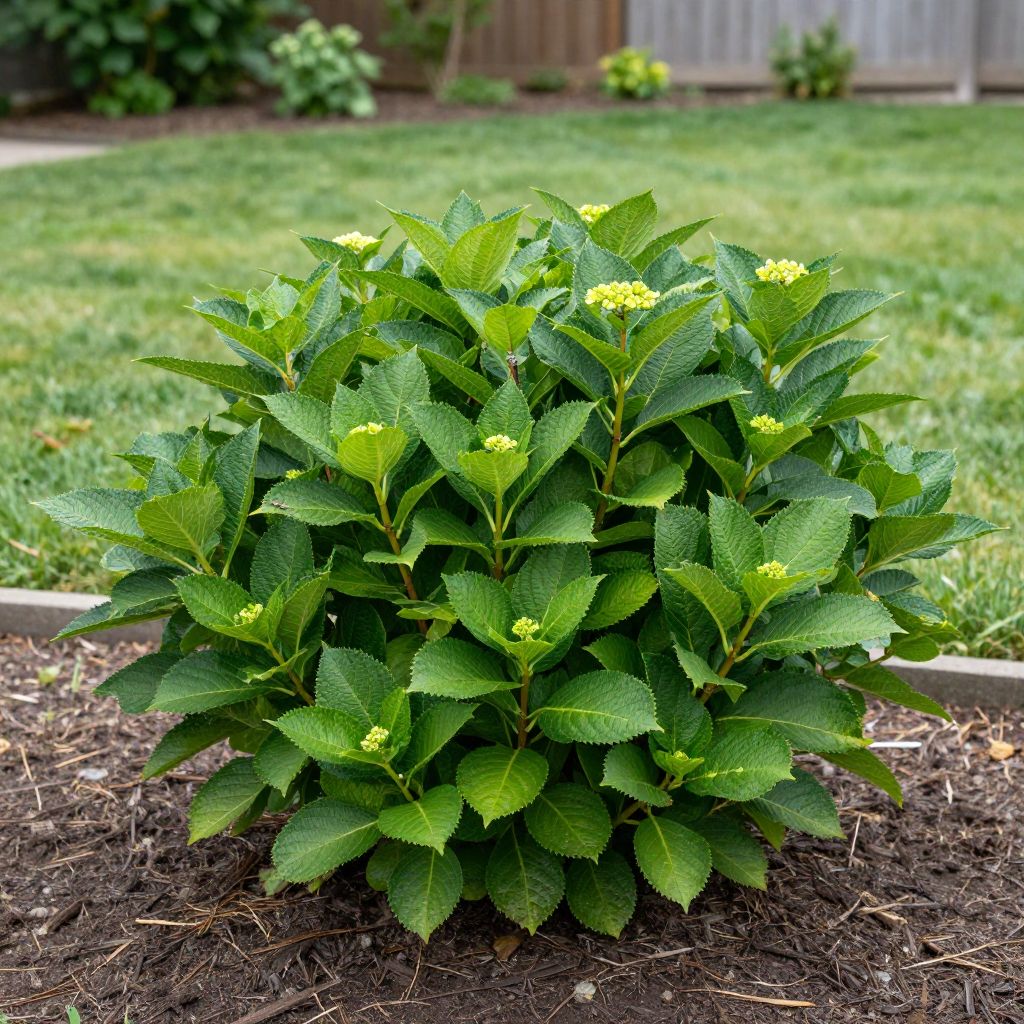
Why are my hydrangeas not blooming? It’s a frustrating question, especially when the plants look healthy and leafy but never set flower buds. The good news is that most bloom problems come down to a handful of fixable issues: pruning at the wrong time, too much shade, winter damage, excess nitrogen, or a young plant that simply isn’t ready yet.
Once you identify the cause, hydrangeas often recover well and bloom again the following season. The key is to match your care to the type of hydrangea you’re growing and to your local climate, because not all hydrangeas flower on the same schedule.
Why are my hydrangeas not blooming?
Hydrangeas usually fail to bloom because flower buds were removed, damaged, or never formed in the first place. The most common reasons are improper pruning, too much shade, late frost, overfertilizing with nitrogen, drought stress, or a plant that is still too young or recovering from transplant shock.
Common reasons hydrangeas don’t bloom
1. You pruned at the wrong time
This is one of the biggest reasons hydrangeas skip flowering. Many popular hydrangeas, especially bigleaf hydrangea (Hydrangea macrophylla) and oakleaf hydrangea (Hydrangea quercifolia), bloom on old wood, meaning they form flower buds on stems grown the previous year.
If you cut those stems back in late fall, winter, or early spring, you may be removing the buds before they open. That can leave you with a lush green plant and no flowers.
2. The plant is getting too much shade
Hydrangeas can tolerate some shade, but they still need enough light to bloom well. In deep shade, they often produce healthy foliage and very few flowers.
Most hydrangeas bloom best with morning sun and afternoon shade, or bright filtered light. Too much hot afternoon sun can also stress the plant, so the ideal balance depends on your climate.
3. Frost or winter injury damaged the buds
Even if your hydrangea was set to bloom, a late spring frost or harsh winter weather can kill the buds. This is especially common on old-wood bloomers, because their flower buds are already formed before winter arrives.
If stems die back to the ground or the tips look blackened, the plant may still leaf out from lower buds but fail to flower that year.
4. You’re feeding too much nitrogen
High-nitrogen fertilizer encourages leafy growth at the expense of flowers. If your hydrangea is producing lots of big green leaves but no buds, too much fertilizer may be part of the problem.
Compost is usually enough for established plants in average garden soil. If you fertilize, choose a balanced product and avoid overdoing it, especially in rich soil.
5. The plant is too young or recently transplanted
Newly planted hydrangeas often spend their first season or two building roots instead of flowers. Some plants need time to settle in before they bloom reliably.
Transplant shock can also delay flowering. If the plant was moved recently, it may need a full growing season to recover.
6. Water stress is interrupting bud formation
Hydrangeas dislike drying out for long periods, especially during bud formation and summer heat. If the soil swings between very dry and very wet, the plant may abort buds or bloom poorly.
At the same time, constantly soggy soil can stress roots and reduce flowering. Good drainage matters just as much as regular moisture.
7. The soil or planting site isn’t right
Poor soil structure, compacted ground, or a planting hole that stays wet can weaken the plant over time. Hydrangeas generally prefer moisture-retentive but well-drained soil enriched with organic matter.
If roots struggle, blooms are often the first thing to suffer.
8. Pests or disease are weakening the plant
Insects and diseases don’t always stop blooming directly, but they can reduce plant vigor enough to limit flowers. Aphids, spider mites, leaf spots, and powdery mildew are common issues that may stress hydrangeas.
Severe root problems, stem damage, or repeated defoliation can also interfere with bud development.
How to tell what type of hydrangea you have
Before you prune or troubleshoot, identify the kind of hydrangea in your garden. The bloom pattern depends on the species or group.
- Bigleaf hydrangea (Hydrangea macrophylla) often blooms on old wood, though some modern types bloom on both old and new wood.
- Oakleaf hydrangea (Hydrangea quercifolia) blooms on old wood.
- Panicle hydrangea (Hydrangea paniculata) blooms on new wood and is usually more forgiving after pruning.
- Smooth hydrangea (Hydrangea arborescens) blooms on new wood.
If you’re unsure, check the plant tag if you still have it, or compare the leaf shape, flower form, and growth habit with a reliable local nursery guide. This matters because the pruning rules are different.
What to do if your hydrangeas are not blooming
Step 1: Stop pruning until you know the bloom type
If your hydrangea blooms on old wood, avoid cutting it back hard in fall or early spring. Instead, remove only dead stems and spent flowers lightly, if needed.
For new-wood bloomers like panicle and smooth hydrangeas, pruning is more flexible, but even then, severe or poorly timed pruning can still delay flowering.
Step 2: Check light levels
Watch the planting spot through the day. If the hydrangea gets less than a few hours of gentle sun and is in deep shade most of the day, flowering may be sparse.
If possible, improve light by thinning nearby shrubs or moving a potted plant to a brighter location. For in-ground plants, relocation is a bigger project and should be done carefully during mild weather.
Step 3: Review your fertilizer use
If you’ve been feeding the plant often, pause and reassess. A hydrangea that looks overly lush but doesn’t bloom may be getting too much nitrogen.
- Use compost sparingly rather than piling it on each season.
- Choose a balanced fertilizer only if the plant truly needs feeding.
- Avoid lawn fertilizer drifting into the root zone.
Step 4: Improve watering habits
Hydrangeas need consistent moisture, especially during active growth and bud formation. Water deeply when the top few inches of soil begin to dry, rather than giving frequent shallow sprinklings.
Mulch can help moderate soil moisture and temperature. Keep mulch a few inches away from the stems so the base doesn’t stay wet.
Step 5: Protect buds from cold damage
If your area gets late frosts, consider protecting vulnerable plants in spring. A light frost cloth, old sheet, or breathable cover can help on cold nights, especially for old-wood bloomers with visible buds.
In colder climates, choose protected planting sites away from wind and low spots where cold air settles. Even a healthy plant can lose its bloom display after one hard freeze at the wrong time.
Step 6: Give young plants time
If the hydrangea was planted within the last year or two, patience may be the answer. Focus on root establishment, steady moisture, and light feeding rather than expecting a full flower show immediately.
Once the plant settles in, blooming often improves on its own.
Pruning hydrangeas without losing flowers
Old wood bloomers
For bigleaf and oakleaf hydrangeas, prune only after flowering, or limit pruning to dead, damaged, or crossing stems. If you need to shape the plant, do it lightly and avoid cutting into healthy stems that may carry next year’s buds.
New wood bloomers
Panicle and smooth hydrangeas can usually be pruned in late winter or early spring before new growth starts. Even so, avoid over-pruning if the plant is already stressed or recently planted.
When in doubt, prune less. A cautious approach is safer than removing the stems that would have carried flowers.
Environmental problems that reduce blooming
Poor drainage
If the soil stays wet for long periods, roots may struggle to function. Check whether water pools after rain or whether the planting spot is low and heavy with clay.
To improve conditions, top-dress with organic matter, redirect runoff if needed, or consider transplanting to a better-drained site.
Hot afternoon sun
Too much intense sun can scorch leaves and stress the plant, especially in warm regions. A stressed hydrangea may conserve energy by reducing bloom production.
Morning sun with afternoon shade is often a good compromise, but local climate matters. In cooler areas, hydrangeas may take more sun than they can in hot climates.
Competition from nearby plants
Trees, shrubs, and aggressive groundcovers can compete for water and nutrients. If nearby roots are crowding the hydrangea, it may survive but bloom poorly.
Clear a wider mulch ring, water deeply during dry spells, and reduce competition where practical.
How long until hydrangeas bloom again?
That depends on the cause. If pruning was the issue and the plant still has healthy buds, you may see flowers the next season. If the plant was stressed by drought, shade, or poor soil, improvement can take a full growing season or more.
If winter damage or late frost caused the problem, the plant may bloom again once conditions are favorable. The important thing is to correct the underlying issue before the next bud set begins.
Quick troubleshooting checklist
- Identify whether your hydrangea blooms on old wood or new wood.
- Check whether you pruned off the flower buds.
- Look for too much shade or too much hot sun.
- Review fertilizer use, especially nitrogen-heavy feeding.
- Inspect for frost damage, dead tips, or winter dieback.
- Make sure the soil drains well but doesn’t dry out completely.
- Confirm the plant is mature enough to flower reliably.
Preventing bloom problems next season
To encourage flowers next year, focus on steady care rather than heavy intervention. Hydrangeas usually do best with the right light, moderate moisture, light feeding, and pruning that matches the bloom type.
Mark your pruning calendar based on the species in your garden, and observe how your plant responds through the season. A few careful adjustments now can make a big difference next year.
If you want to troubleshoot further, it also helps to compare your hydrangea’s care with general shrub maintenance and seasonal pruning guidance before making any major cuts.