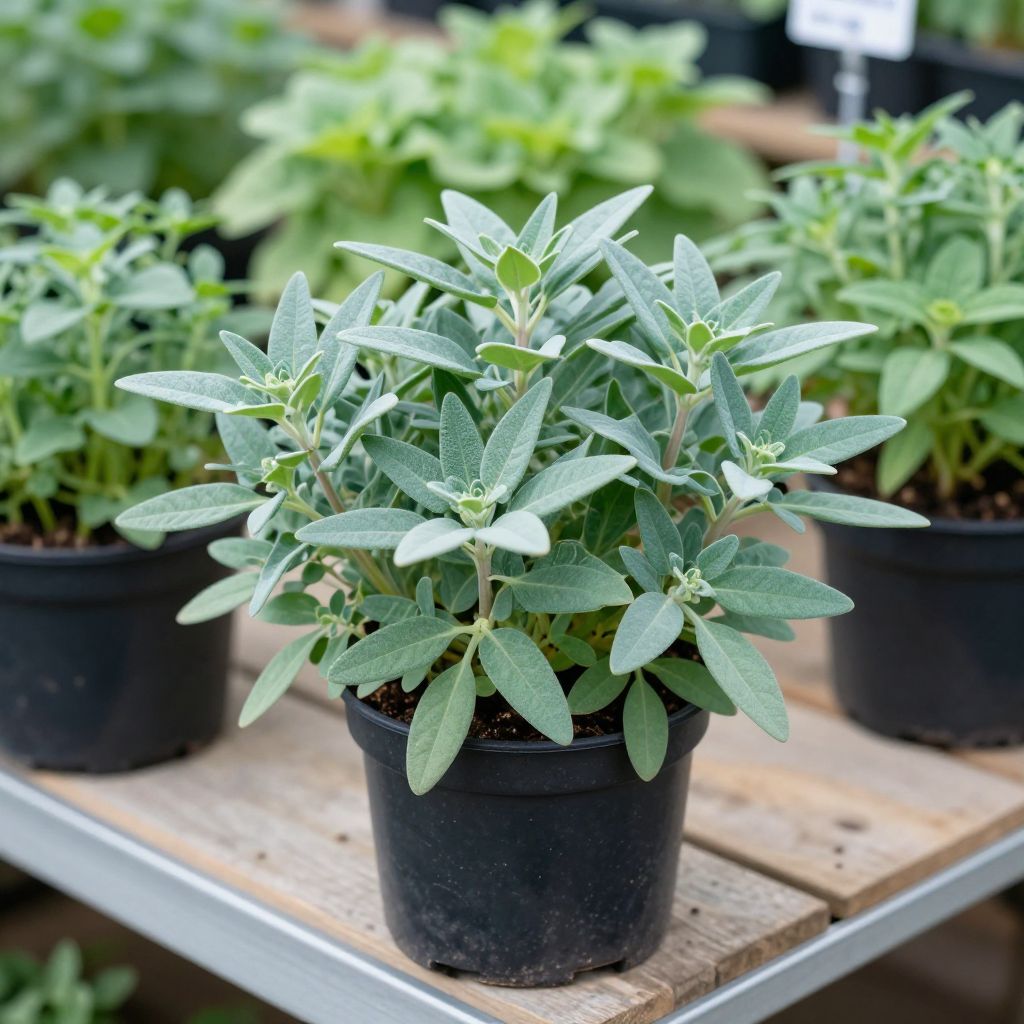
If you’re searching for Ruda Plant where to buy, you’re usually looking for rue, the aromatic herb Ruta graveolens. The best place to buy it depends on whether you want a young potted plant, seeds, or a mature specimen for the landscape. Choosing a healthy plant from a reputable nursery is the easiest way to start with strong growth and fewer problems.
Once you have it, rue is a tough, drought-tolerant perennial in the right climate, but it does best with excellent drainage, full sun, and careful handling. It can be a useful herb for dry borders and pollinator-friendly gardens, but it is also a plant that rewards a light touch rather than rich soil and frequent watering.
Ruda Plant where to buy?
You can buy rue (Ruta graveolens) at local garden centers, specialty herb nurseries, online plant retailers, and sometimes farmers’ markets or plant swaps. Look for a compact plant with healthy blue-green foliage, no yellowing, and no signs of pests. Seeds are more common than large potted plants, so availability often depends on the season and your region.
Where to find rue plants and seeds
Rue is not always stocked in every big-box garden store, so it helps to know where it is most likely to show up. If you want the easiest start, a young potted plant is usually better than seed, especially if you want a head start on establishment.
Best buying options
- Local nurseries: Often the best source for healthy transplants adapted to your climate.
- Specialty herb growers: More likely to carry rue, especially in spring and early summer.
- Online plant shops: Useful if local stores do not stock it, but check shipping timing and plant condition on arrival.
- Seed catalogs: Good for gardeners who want to grow rue from seed and have patience for slower germination.
- Plant swaps and garden clubs: Sometimes offer divisions or extra seedlings from established gardeners.
What to choose: plant or seed?
- Potted plant: Best if you want faster results and easier establishment.
- Seed: More affordable, but slower and less predictable.
- Established clump: Helpful for a landscape planting, but only buy from a trusted source to avoid root damage or disease.
How to choose a healthy rue plant
When buying rue, inspect the plant carefully before you take it home. A healthy start matters because rue dislikes repeated transplant stress and can struggle if it arrives already weakened.
Signs of a good plant
- Firm stems and evenly colored foliage
- Blue-green leaves without heavy spotting or crisping
- No sticky residue, webbing, or visible insects
- Roots that are not circling tightly out of the pot
- Soil that is moist but not sour-smelling or waterlogged
Red flags to avoid
- Wilted or yellowing leaves
- Leggy growth from low light
- Blackened stems or mushy roots
- Plants packed tightly in a pot with roots growing in circles
- Any sign of powdery mildew, aphids, or spider mites
Where to plant rue after you buy it
Rue grows best in a sunny, open spot with well-drained soil. It is not a plant for soggy ground, and it performs poorly in heavy, constantly wet beds. If your soil stays damp after rain, choose a raised bed, slope, or container instead.
Ideal growing conditions
- Sun: Full sun is best, though very hot climates may benefit from light afternoon shade.
- Soil: Lean to moderately fertile soil with excellent drainage.
- Texture: Sandy, gravelly, or loamy soil works well.
- pH: Rue is adaptable, but it dislikes compacted, poorly drained ground.
Good companion uses in the garden
Rue can work in herb borders, dry garden beds, cottage-style plantings, and pollinator-friendly spaces. Because it has a strong scent and a somewhat coarse texture, place it where it can stand on its own rather than crowding delicate herbs.
How to plant rue correctly
Plant rue in spring or early fall when temperatures are moderate and the soil is workable. In hot climates, avoid planting during extreme heat. If you are setting out a nursery plant, water it in well once, then let the soil dry slightly before watering again.
Step-by-step planting guide
- Choose a sunny site with drainage that does not hold standing water.
- Loosen the soil to a depth of about 8 to 12 inches.
- Mix in a small amount of compost only if your soil is very poor; avoid making the soil too rich.
- Dig a hole slightly wider than the root ball.
- Set the plant at the same depth it was growing in the pot.
- Backfill gently and firm the soil lightly around the roots.
- Water thoroughly once to settle the soil.
- Mulch lightly, keeping mulch away from the stem to reduce rot risk.
Container planting tips
If you have heavy clay soil or limited space, grow rue in a container. Use a pot with drainage holes and a gritty, fast-draining mix. A slightly oversized pot is fine, but do not use a container so large that the soil stays wet for too long.
- Choose a pot at least 12 inches wide for a young plant.
- Use a potting mix amended with perlite, pumice, or coarse sand for drainage.
- Raise the pot on feet if water tends to sit underneath it.
Watering and feeding rue
Rue is drought tolerant once established, so overwatering is one of the most common mistakes. Water deeply after planting, then allow the top layer of soil to dry before watering again. In containers, check moisture more often because pots dry out faster.
Watering guidelines
- New plants: Keep evenly moist for the first few weeks, but never soggy.
- Established plants: Water only when the soil has dried out several inches down.
- During rainy periods: Skip watering and make sure drainage is adequate.
Fertilizer needs
Rue usually does not need much feeding. Too much fertilizer can lead to soft, weak growth and fewer of the tough, aromatic leaves gardeners expect.
- Use compost sparingly if your soil is very poor.
- Avoid heavy feeding with high-nitrogen fertilizer.
- In containers, a light, balanced feed may be enough if growth is weak, but only during active growth.
Pruning, maintenance, and seasonal care
Light pruning helps keep rue compact and tidy. Cut back soft, overlong stems after flowering or when the plant starts to look open in the center. Wear gloves if your skin is sensitive, because some people react to the sap or foliage.
Simple maintenance tasks
- Remove dead or damaged stems as needed.
- Trim lightly to shape the plant after flowering.
- Check the base for crowding or poor airflow.
- Refresh mulch lightly in dry climates, but keep it loose and away from the crown.
Winter and cold-weather care
Rue’s cold tolerance varies with climate and growing conditions, so local experience matters. In colder regions, it may die back or struggle through winter. In milder areas, it can persist as a woody perennial if planted in a protected, well-drained spot.
Common pests and problems
Rue is not usually a high-maintenance herb, but it can still run into trouble if the site is too wet, too shady, or too crowded. Most problems are easier to prevent than to fix after the plant has declined.
Typical issues
- Root rot: Usually caused by wet soil or poor drainage.
- Yellow leaves: Often linked to overwatering or nutrient imbalance.
- Leggy growth: Usually a sign of insufficient sun.
- Aphids or spider mites: More likely in stressed plants or hot, dry conditions.
Practical fixes
- Improve drainage before planting if the soil stays wet.
- Move container plants to a sunnier spot if they stretch or flop.
- Rinse pests off with a strong spray of water when infestations are light.
- Remove badly affected stems to improve airflow.
Propagating rue if you already have a plant
If you find a healthy rue plant and want more, you can try seed or cuttings. Seed is the most common route, but it can be slow. Cuttings may work for gardeners who want to clone a plant they already like, though success can vary.
Propagation basics
- Seed: Sow in a free-draining mix and keep conditions lightly moist, not wet.
- Cuttings: Take healthy non-flowering stems and root them in a clean, airy medium.
- Division: Not always the best choice, because rue can resent root disturbance.
Buying tips for outdoor and indoor gardeners
Most gardeners grow rue outdoors, but container gardeners can keep it on a bright patio, balcony, or sunny windowsill if light is strong enough. Indoors, the biggest challenge is usually insufficient sun, so a bright south-facing window or supplemental light may be needed.
Outdoor buyers
- Choose a site with plenty of sun and airflow.
- Avoid low spots where water collects after rain.
- Plan for a plant that may become woody with age.
Indoor buyers
- Use a pot with excellent drainage.
- Place it where it gets the brightest light available.
- Water less often than you would many houseplants.
What to do right after purchase
After you bring rue home, give it a short adjustment period before planting or repotting. This helps reduce shock and lets you spot any hidden pests or root issues before they spread to other plants.
- Inspect the foliage and stems closely.
- Check the root ball for circling or soggy roots.
- Place the plant in bright light, but protect it from harsh conditions for a day or two if it was shipped.
- Plant it in a well-drained site or container as soon as conditions are suitable.
- Monitor moisture carefully during establishment.
Conclusion
If you’re wondering Ruda Plant where to buy, start with a reputable local nursery or a trusted online herb seller, then choose a healthy plant with firm stems and good drainage needs in mind. Once planted in sun and well-drained soil, rue is usually a low-maintenance herb that rewards careful watering and a light hand.
For more practical herb-growing advice, you may also enjoy reading about container herb gardening basics and how to improve garden drainage.