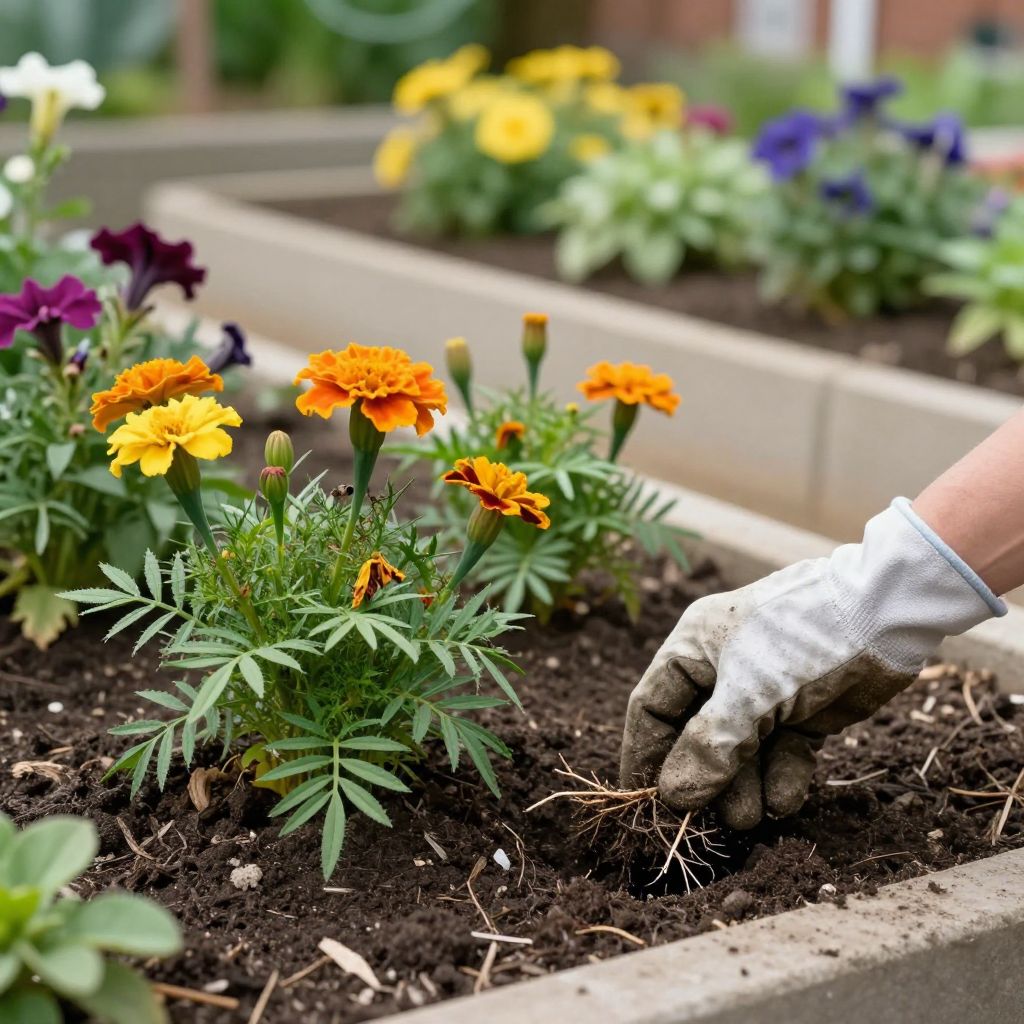
Do annual flowers come back every year? Usually, no. True annuals complete their life cycle in one growing season, so they grow, bloom, set seed, and die after frost or decline. That said, some annuals reseed themselves, and a few plants sold as annuals may behave like short-lived perennials in mild climates.
If you want a flower bed that keeps returning, it helps to know whether you planted a true annual, a tender perennial, or a self-seeding flower. The answer affects how you plant, deadhead, mulch, and plan for next season.
Do annual flowers come back every year?
True annual flowers do not come back every year because they finish their life cycle in one season. They may return only if they drop seed and new seedlings grow, or if a plant is actually a perennial or biennial in your climate. The key is to identify the plant correctly before you plan for repeat blooms.
What makes a flower annual, perennial, or biennial?
Understanding the plant type is the fastest way to predict whether it will return. Gardeners often use “annual” loosely, but the plant’s biology matters more than the label on the nursery tag.
Annuals
Annuals grow from seed, flower, produce seed, and die in one season. Common examples include zinnias, marigolds, petunias, and cosmos, though some of these may reseed in warm climates.
Perennials
Perennials live for multiple years and usually die back or slow down during winter before regrowing. Some bloom for only a short period, while others flower repeatedly through the season.
Biennials
Biennials take two growing seasons to complete their life cycle. They usually form leaves the first year, flower the second year, then die after setting seed.
Why labels can be confusing
A plant may be a perennial in a frost-free garden but act like an annual where winters are cold. Tender plants can also be treated as annuals simply because they cannot survive local temperatures.
Why some annual flowers seem to come back
Many gardeners think annuals returned when, in reality, the garden reseeded itself. This is common with easy self-sowers such as calendula, cleome, larkspur, alyssum, and cosmos in suitable conditions.
- Self-seeding: Mature flowers drop seed that germinates the next season.
- Mild winters: A tender plant may survive in warmer regions and behave like a short-lived perennial.
- Protected microclimates: Sheltered spots near walls, fences, or evergreen shrubs can reduce winter stress.
- Volunteer seedlings: New plants may appear near last year’s bed and look like the original flowers.
Because of this, it is wise to observe whether the same plant survived or whether a new seedling replaced it. The difference affects pruning, thinning, and future planting plans.
How to tell if your flowers will return
If you are unsure whether a flower is annual or perennial, check the plant tag, seed packet, or botanical name. Then compare that information with your local climate and winter lows.
- Check the plant label: Look for “annual,” “perennial,” or “biennial.”
- Look up the species: Some common names cover both annual and perennial types.
- Consider your climate: A plant that survives in warm regions may fail after frost.
- Watch for reseeding: Seedlings often appear in clusters around the parent plant.
- Inspect winter damage: If the crown, stems, and roots are dead after cold weather, it was likely a true annual or a tender plant that did not survive.
How to encourage annual flowers to reseed
If you want a flower bed that “comes back” on its own, choose self-seeding annuals and let some flowers mature fully. This is the most reliable way to get repeat plants from annuals year after year.
Leave some blooms to set seed
Deadheading keeps many annuals blooming longer, but if you want volunteers, allow a few flowers to fade and form seed heads. You can deadhead most of the plant and leave a few stems at the end of the season.
Let seed mature naturally
Do not cut everything down too early. Seeds need time to dry and drop, and some species need a full season to produce viable seed.
Mulch lightly, not heavily
A light mulch helps soil moisture, but thick mulch can block tiny seedlings from emerging. If you want reseeding, keep the mulch layer thin in areas where seedlings should sprout.
Avoid over-cleaning the bed
Many gardeners remove spent annuals too aggressively in fall. If you want volunteers, wait until seed has dropped, then clear only the dead material you do not want to keep.
Best growing conditions for healthy annual flowers
Annuals bloom best when they grow fast and steadily. Good soil, enough light, and consistent moisture matter more than trying to force them to return next year.
Sunlight
Most flowering annuals need full sun for the best bloom, often six or more hours of direct light daily. Some, like impatiens and begonias, prefer partial shade and may struggle in hot afternoon sun.
Soil and drainage
Annuals do best in loose, well-drained soil enriched with compost. Heavy clay can hold too much water and lead to root problems, while very sandy soil may dry out too quickly.
- Add compost before planting to improve structure and nutrient availability.
- Raise beds or mound soil slightly in wet areas for better drainage.
- Break up compacted soil so roots can spread easily.
Watering
Water deeply when the top inch or two of soil feels dry, then let the soil partly dry again before watering. Container-grown annuals usually need more frequent watering than in-ground plants because pots dry out faster.
Feeding
Annuals are often heavy bloomers and may appreciate balanced feeding if the soil is poor. Avoid pushing leafy growth with too much nitrogen, which can reduce flowers and make plants floppy.
How to keep annual beds looking good all season
Annuals are at their best when you keep them blooming, tidy, and free of stress. A little maintenance goes a long way.
Deadhead spent flowers
Remove faded blooms to encourage more flowering in many annuals. This also helps the plant stay neat and can reduce unwanted self-seeding where you do not want it.
Pinch young plants
Pinching the growing tips of some annuals early in the season can produce bushier plants with more stems and flowers. This works well for many bedding plants, but not all species respond the same way.
Stake or support tall growers
Tall annuals such as cosmos or cleome may flop in wind or rain. Use discreet stakes or supports early, before stems bend or break.
Watch for heat stress
Some annuals slow down in extreme heat. If blooms fade in midsummer, provide afternoon shade where possible and keep soil evenly moist without waterlogging it.
Common problems that shorten annual life
When annual flowers fail early, the issue is often not that they “should have come back,” but that something stressed them during the season.
- Poor drainage: Roots can rot in soggy soil.
- Too little sun: Plants may grow weak and bloom poorly.
- Overcrowding: Crowded plants compete for water, light, and airflow.
- Powdery mildew: Common on crowded or stressed plants, especially in humid weather.
- Aphids and whiteflies: These pests can weaken tender annuals and distort new growth.
- Frost damage: Many annuals collapse after the first hard frost.
Practical fixes
Improve airflow by spacing plants properly, water at the soil line instead of wetting foliage, and remove heavily diseased plants so problems do not spread. If a plant repeatedly fails in one spot, the site conditions may be the issue rather than the flower itself.
Should you save seed from annual flowers?
Saving seed is a smart way to repeat annual flowers without buying new plants every year. It works best with open-pollinated varieties and species that produce mature seed reliably.
- Wait until seed heads are dry and mature.
- Collect seed on a dry day.
- Clean out plant debris.
- Store seed in a cool, dry place in labeled envelopes or containers.
- Check germination needs before sowing next season.
Keep in mind that some hybrid plants may not grow true from saved seed, so the next generation can look different from the parent plant. If you want the same flower form and color, check whether the variety is open-pollinated.
When to replace annual flowers instead of waiting for them
If a plant has finished its life cycle, there is no need to keep waiting for it to recover. Replace it when stems are brown, roots are dead, and no new growth appears after suitable weather returns.
For continuous color, many gardeners stagger planting or combine annuals with perennials, bulbs, and shrubs. That way, the garden still looks full even when one group is between bloom cycles.
Simple planning tips for next year
Planning ahead makes annuals easier to enjoy and reduces disappointment when they do not return on their own.
- Choose a mix of true annuals and perennials for longer seasonal interest.
- Mark self-seeding favorites so you know where volunteers may appear.
- Keep notes on which flowers handled heat, shade, drought, or rain best.
- Leave a few seed heads if you want natural reseeding.
- Refresh beds with compost before replanting each season.
Conclusion
So, do annual flowers come back every year? True annuals do not, but some reseed themselves, and a few may survive in mild climates. The best approach is to identify the plant, decide whether you want reseeding, and then manage deadheading, cleanup, and soil care accordingly.
If you want to keep learning, look for more guidance on choosing annuals for your climate, improving flower bed soil, and extending bloom time with smart deadheading and watering habits.