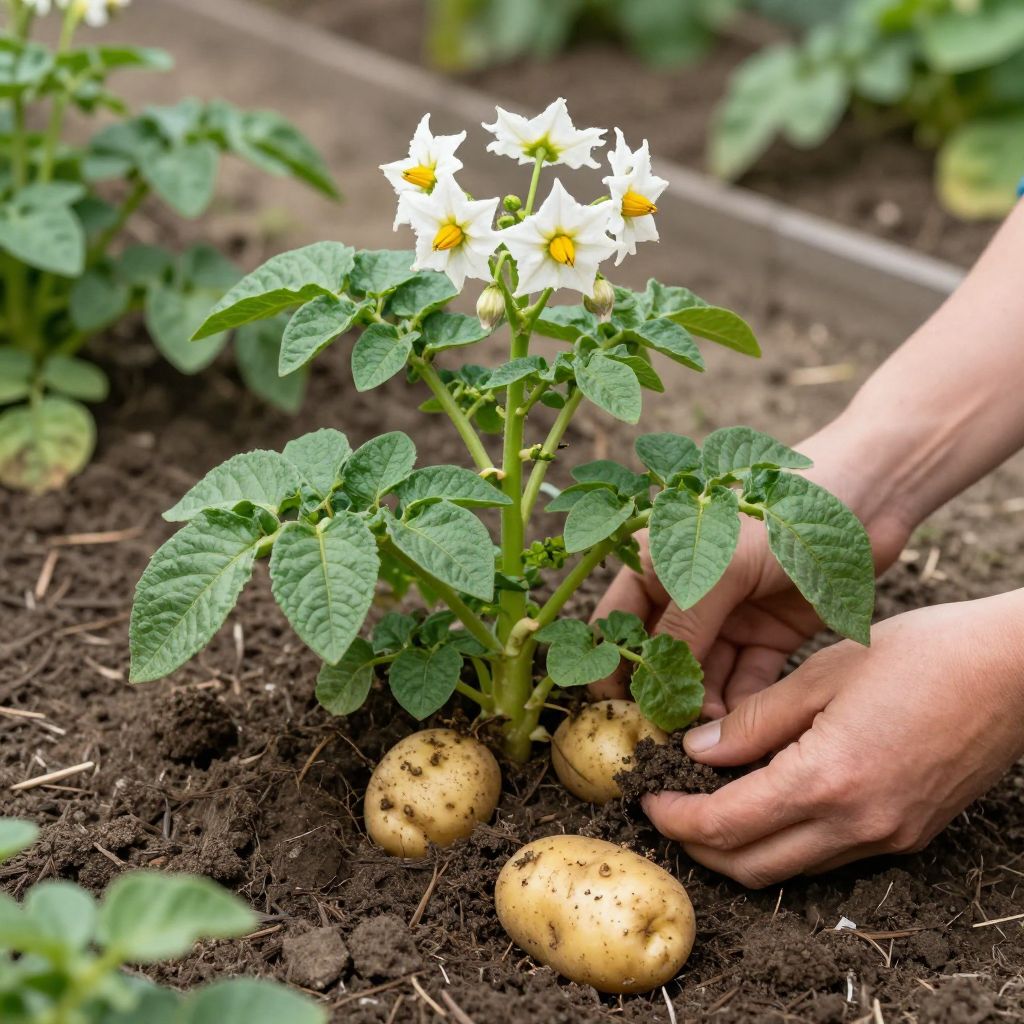
Do potatoes have seeds? It’s a common question, especially if you’ve found a potato sprouting in the pantry or noticed flowers on a potato plant in the garden.
The short answer is yes, potatoes can produce seeds, but gardeners usually grow them from seed potatoes rather than true seed. Understanding the difference helps you plant, care for, and harvest potatoes more successfully.
Do potatoes have seeds?
Yes, potato plants can produce seeds inside small green fruits that look like tiny tomatoes, but these are not what most gardeners use to grow potatoes. In home gardens, potatoes are usually propagated from pieces of tuber with “eyes,” called seed potatoes, because they grow more reliably and produce plants true to the parent variety.
What are potato seeds, and why don’t gardeners usually use them?
Potato flowers may form round green berries after pollination. Inside those berries are true seeds, which can be planted, but the resulting plants are genetically variable and often inconsistent in size, shape, flavor, and disease resistance.
True seed vs. seed potatoes
- True seed: The small seeds found inside potato berries.
- Seed potatoes: Tubers or tuber pieces planted to grow new potato plants.
- Best for home gardeners: Seed potatoes, because they are predictable and easier to manage.
Using seed potatoes also shortens the path to harvest. A tuber already stores energy, so it can grow quickly once planted in suitable soil and weather.
How potatoes grow from seed potatoes
Potatoes grow from the eyes on a tuber, not from roots or leaves alone. Each eye is a bud that can sprout into a new stem, and those stems later form underground stolons that swell into new potatoes.
Choosing good seed potatoes
Start with firm, healthy tubers that are free of rot, deep cuts, and soft spots. Small seed potatoes can be planted whole, while larger ones are often cut into pieces with at least one or two eyes each.
- Choose certified disease-free seed potatoes when possible.
- Avoid using grocery store potatoes if you can, since they may be treated to reduce sprouting or may carry disease.
- Let cut pieces dry and form a protective callus before planting if you slice them.
Important: Never plant potatoes from tubers that look diseased, moldy, or unusually wrinkled. Problems can carry into the next crop.
How to plant potatoes for strong growth
Potatoes do best in loose, well-draining soil with plenty of organic matter. Heavy, compacted soil can deform tubers and increase rot, while soil that drains too quickly may dry out before the crop develops properly.
Soil and bed preparation
- Work compost into the top layer of soil to improve structure and moisture retention.
- Remove rocks and hard clods so tubers can expand evenly.
- Keep the planting area free-draining to reduce disease risk.
Potatoes prefer full sun in most climates. If your summers are very hot, a site with morning sun and some afternoon relief can help reduce stress.
Planting basics
- Plant seed potatoes or pieces in loose soil, usually a few inches deep.
- Space plants so foliage can spread without crowding.
- As shoots grow, gradually mound soil or mulch around the stems.
This mounding, often called hilling, helps protect developing tubers from sunlight and keeps more potatoes covered as they form.
Why sunlight matters for potatoes
Potatoes need strong light to build healthy foliage, which feeds the tubers underground. Without enough sun, plants may grow tall and weak, and yields often drop.
At the same time, exposed tubers should not receive direct light. If potatoes turn green, they are producing chlorophyll and may also contain higher levels of solanine, which makes them unsuitable to eat in that condition.
How to prevent green potatoes
- Hill soil or mulch around stems as plants grow.
- Check for tubers near the soil surface after heavy rain or erosion.
- Store harvested potatoes in darkness.
Watering and feeding potatoes the right way
Potatoes need even moisture, especially while tubers are forming. Irregular watering can lead to misshapen tubers, cracking, or scab-like problems depending on soil conditions.
Keep the soil consistently moist, but not soggy. If you can squeeze a handful of soil and it holds together lightly without dripping, the moisture level is often in a good range for many garden soils.
Practical watering tips
- Water deeply when the top layer of soil begins to dry.
- Use mulch to slow evaporation and reduce temperature swings.
- Avoid frequent shallow watering, which encourages shallow roots and uneven growth.
For feeding, compost is usually a strong starting point. Excess nitrogen can produce lush leaves but fewer tubers, so avoid overfeeding with high-nitrogen fertilizer unless a soil test or visible deficiency suggests it is needed.
Common potato problems and how to avoid them
Potatoes are productive, but they are not trouble-free. The biggest issues usually come from poor drainage, crowded plants, inconsistent moisture, or disease carried in planting material.
Disease concerns
- Late blight: Can spread quickly in cool, wet conditions and damage leaves and stems.
- Scab: More common in dry soil or alkaline conditions and shows up as rough patches on tubers.
- Rot: Often linked to wet, poorly drained soil or damaged seed pieces.
To reduce disease pressure, rotate potatoes away from other nightshades such as tomatoes, peppers, and eggplants when possible. Also, remove and destroy badly diseased plant material rather than composting it if disease is severe.
Pest issues
- Colorado potato beetles: Chew leaves and can defoliate plants quickly.
- Aphids: May cluster on new growth and spread disease.
- Wireworms: Can tunnel into tubers in some soils.
Inspect plants regularly, especially the undersides of leaves. Early hand-picking, row covers before flowering, and good garden sanitation can make a noticeable difference in small home gardens.
Can you grow potatoes from the seeds inside the fruit?
You can, but it is usually a project for plant breeders or curious gardeners rather than the easiest way to grow a dependable crop. True potato seed can produce new varieties, but the plants may vary widely and take more attention to select and grow on.
When true seed makes sense
- You want to experiment with breeding or selection.
- You are interested in starting from seed for disease-resistance trials.
- You do not need the crop to match a named variety exactly.
For most home gardeners, seed potatoes are still the practical choice. They are faster, more predictable, and easier to manage in a typical vegetable bed or container.
Harvesting and storing potatoes
Potatoes are usually ready to harvest when the plants begin to yellow and die back, though timing depends on the variety and your growing conditions. You can also harvest small “new potatoes” earlier if you want a tender, early crop.
How to harvest carefully
- Wait for dry weather if possible.
- Use a garden fork or spade a safe distance from the plant to avoid cutting tubers.
- Lift the soil gently and gather potatoes by hand.
Handle tubers carefully, since bruises and cuts shorten storage life. Let harvested potatoes dry briefly out of direct sun, then store them in a cool, dark, well-ventilated place.
Do not store green, damaged, or diseased potatoes with healthy ones. Sort them out first so one bad tuber does not spoil the rest.
Quick answers to common potato questions
Do potatoes have seeds in the grocery store?
Not usually in the way gardeners mean it. Grocery potatoes are tubers, not true seed. They may sprout eyes, which can grow into a new plant if planted, though that is not always the best option.
Why did my potato plant flower but not make berries?
Flowers do not always become berries. Pollination, variety, temperature, and growing conditions all affect whether true seed forms.
Can I plant a sprouting potato from the kitchen?
Sometimes yes, but results are less dependable than with certified seed potatoes. Store-bought tubers may be treated to prevent sprouting or may carry disease into the garden.
Conclusion: the best way to grow potatoes at home
So, do potatoes have seeds? Yes, but most gardeners grow potatoes from seed potatoes, not from the seeds inside the fruit. If you want a reliable crop, start with healthy tubers, loose soil, steady moisture, and regular hilling to protect developing potatoes.
If you are planning your next vegetable bed, consider reading more about soil preparation and pest control before planting so your potato crop gets the strongest possible start.