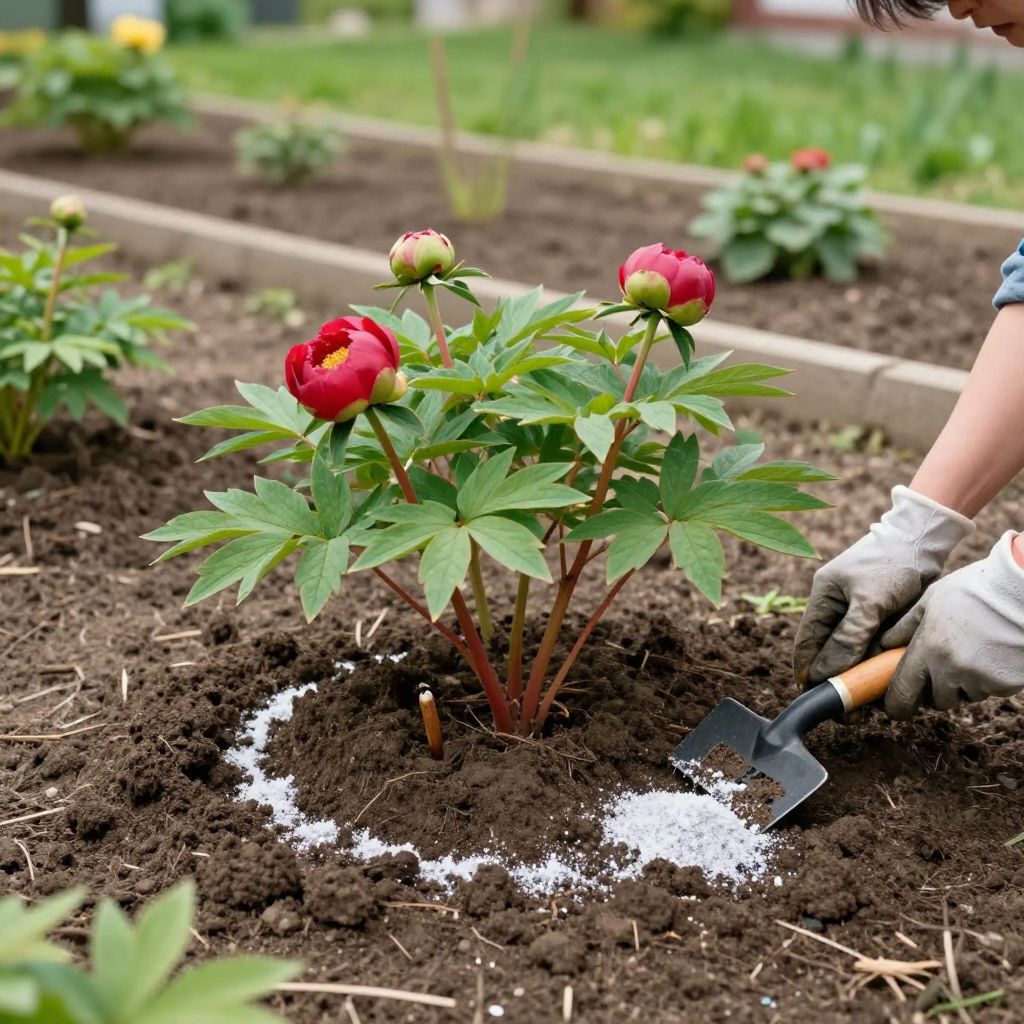
Wondering when to fertilize peonies so you help blooms without causing weak stems or too much leafy growth? The best timing is usually early spring as growth starts, with a light feeding after flowering if your soil needs it. Established peonies often need very little fertilizer, but poor soil, new plantings, or slow growth can change that.
The key is to feed peonies at the right stage of growth and avoid pushing them too hard. A balanced, gentle approach supports strong roots, healthy foliage, and better flowering next season.
When to fertilize peonies?
Fertilize peonies in early spring when red or pink shoots first emerge and the soil is workable. If needed, you can give a second light feeding right after flowering to help the plant store energy for next year. Avoid heavy late-summer or fall fertilizing, which can encourage soft growth before winter.
Why timing matters for peonies
Peonies are long-lived perennials that build flower buds for the following year during the current growing season. That means the plant needs support when it is actively growing, but not when it is trying to harden off for dormancy.
Feeding at the wrong time can create problems:
- Too early in frozen soil: nutrients may be wasted before roots can use them.
- Too late in the season: new growth may be damaged by frost.
- Too much fertilizer: you may get lush leaves and fewer flowers.
Best fertilizer timing by season
Early spring: the main feeding window
This is the best time to fertilize most peonies. Wait until the shoots are a few inches tall and clearly visible, then apply a light feeding around the root zone. This helps the plant support stem growth, leaf expansion, and bud development.
If your soil is already rich and your peonies flower well, you may not need much at all. In many gardens, a top-dressing of compost is enough.
After flowering: optional second feeding
If your peonies are in average or poor soil, a second light feeding after blooms fade can help replenish energy reserves. This is especially useful if the plant looked weak, produced smaller blooms, or had limited growth earlier in the season.
Keep this feeding modest. The goal is to support root health, not to trigger a flush of tender new growth.
Late summer and fall: usually skip fertilizer
Once peonies begin slowing down and preparing for dormancy, stop fertilizing. Late feeding can interfere with the plant’s natural cycle and make it more vulnerable to cold weather damage.
In fall, focus on cleanup, not feeding. Remove dead foliage from herbaceous peonies after frost, and keep the area tidy to reduce disease pressure.
What kind of fertilizer do peonies need?
Peonies do best with a balanced, low-to-moderate fertilizer or with compost worked into the soil surface. A fertilizer that is too high in nitrogen can produce lots of foliage and fewer flowers.
Good options include:
- Compost: a safe, gentle choice for most gardens.
- Balanced granular fertilizer: useful if your soil is poor or plants are underperforming.
- Slow-release fertilizer: helpful for steady feeding in established beds.
If you use a commercial product, follow the label directions for perennials and avoid overapplying. More is not better with peonies.
How to fertilize peonies step by step
- Wait until early spring, when shoots are emerging and the soil is no longer frozen.
- Clear away old mulch or debris from the crown so new growth is visible.
- Spread fertilizer or compost in a ring around the plant, not directly against the stems.
- Keep material a few inches away from the crown to avoid burning tender shoots.
- Water lightly after applying granular fertilizer to help it settle into the soil.
- Reapply only if your soil is poor or the plant clearly needs a second light feeding after bloom.
Avoid piling fertilizer on the crown. Peony buds sit close to the soil surface, and concentrated fertilizer can stress or burn them.
How much fertilizer do peonies need?
The right amount depends on your soil, plant age, and fertilizer type, so it is best to start conservatively. Established peonies in fertile soil often need only compost or a very light feeding.
As a general approach, use the smallest effective amount and watch the plant’s response. If you see strong stems, good leaf color, and reliable flowering, you may be feeding enough already.
Signs you may be overfertilizing
- Lots of leaves, but few or no flowers
- Soft, floppy stems
- Dark green growth with weak buds
- Salt buildup or crusting on the soil surface
Signs your peony may need feeding
- Slow spring growth
- Pale foliage not explained by drought or disease
- Small blooms or fewer blooms than usual
- Thin stems in a plant that is otherwise healthy
Growing conditions that affect fertilizing needs
Fertilizer works best when peonies are grown in the right conditions. If the site is poor, no fertilizer can fully compensate for bad drainage, too much shade, or compacted soil.
Sunlight
Peonies bloom best in full sun, though they can tolerate light afternoon shade in hot climates. Too much shade can reduce flowering and make the plant seem like it needs more fertilizer than it actually does.
Soil and drainage
Peonies prefer well-drained soil with moderate fertility. Heavy, waterlogged soil can weaken roots and increase disease risk. If your soil stays wet, improve drainage before increasing fertilizer.
Watering
Peonies need consistent moisture while establishing and during active growth, but they do not like soggy soil. Water deeply during dry spells, especially in spring and early summer, then let the soil dry slightly between waterings.
Newly planted peonies vs. established peonies
Newly planted peonies
New peonies usually need less fertilizer than gardeners expect. In the first year, focus on root establishment, steady moisture, and good soil preparation rather than heavy feeding.
If you amend the planting area with compost before planting, you may not need additional fertilizer right away. Too much feeding can stress young roots.
Established peonies
Mature peonies are often low-maintenance and may flower well for years with minimal feeding. If flowering declines, check whether the plant has become crowded, shaded, or buried too deeply before reaching for fertilizer.
Depth matters: peony buds should not be planted too deep, or flowering can be reduced no matter how well you fertilize.
Common mistakes to avoid
- Fertilizing too late in the season: this can encourage tender growth before frost.
- Using too much nitrogen: it often leads to leafy plants with fewer blooms.
- Applying fertilizer directly on the crown: this can damage emerging shoots.
- Ignoring poor drainage: fertilizing will not fix soggy soil.
- Expecting instant results: peonies respond slowly, and bloom improvement may take a season.
What to do if your peonies are not blooming
If a peony is healthy but not flowering, fertilizer may not be the main issue. Before feeding more, check the basics: sunlight, planting depth, and whether the plant is overcrowded or recently moved.
Try this troubleshooting sequence:
- Confirm the plant gets enough sun.
- Check that the buds are not buried too deeply.
- Make sure the soil drains well.
- Look for competition from nearby roots or mulch piled too high.
- Use only a light spring feeding if the plant truly seems undernourished.
If the peony was recently transplanted, it may need time to settle in before blooming normally. Some peonies take a season or two to recover after being moved.
Pruning, cleanup, and disease prevention
Good maintenance supports fertilizer results. Remove faded blooms after flowering if you want a tidier plant, and cut herbaceous peonies back to the ground after frost in fall.
Clean up dead foliage to help reduce fungal problems such as botrytis, which can affect peonies in cool, damp weather. Good spacing, sun, and air movement are just as important as feeding.
Simple seasonal care calendar
- Early spring: light feeding as shoots emerge.
- Late spring to early summer: water during dry spells and deadhead spent blooms if desired.
- After flowering: optional light feeding if soil is poor or growth was weak.
- Late summer to fall: stop fertilizing and focus on cleanup.
- Winter: let the plant rest; no fertilizer needed.
Conclusion
For most gardeners, the best answer to when to fertilize peonies is simple: feed lightly in early spring, and only consider a second light feeding after bloom if the plant needs it. Keep the fertilizer modest, avoid late-season feeding, and make sure your peonies have sun, drainage, and proper planting depth. If you want to improve performance this season, start by checking the soil and timing your spring feeding carefully.
If you are refining your perennial bed care, you may also want to read more about how to improve garden soil with compost and how to divide and transplant perennials.