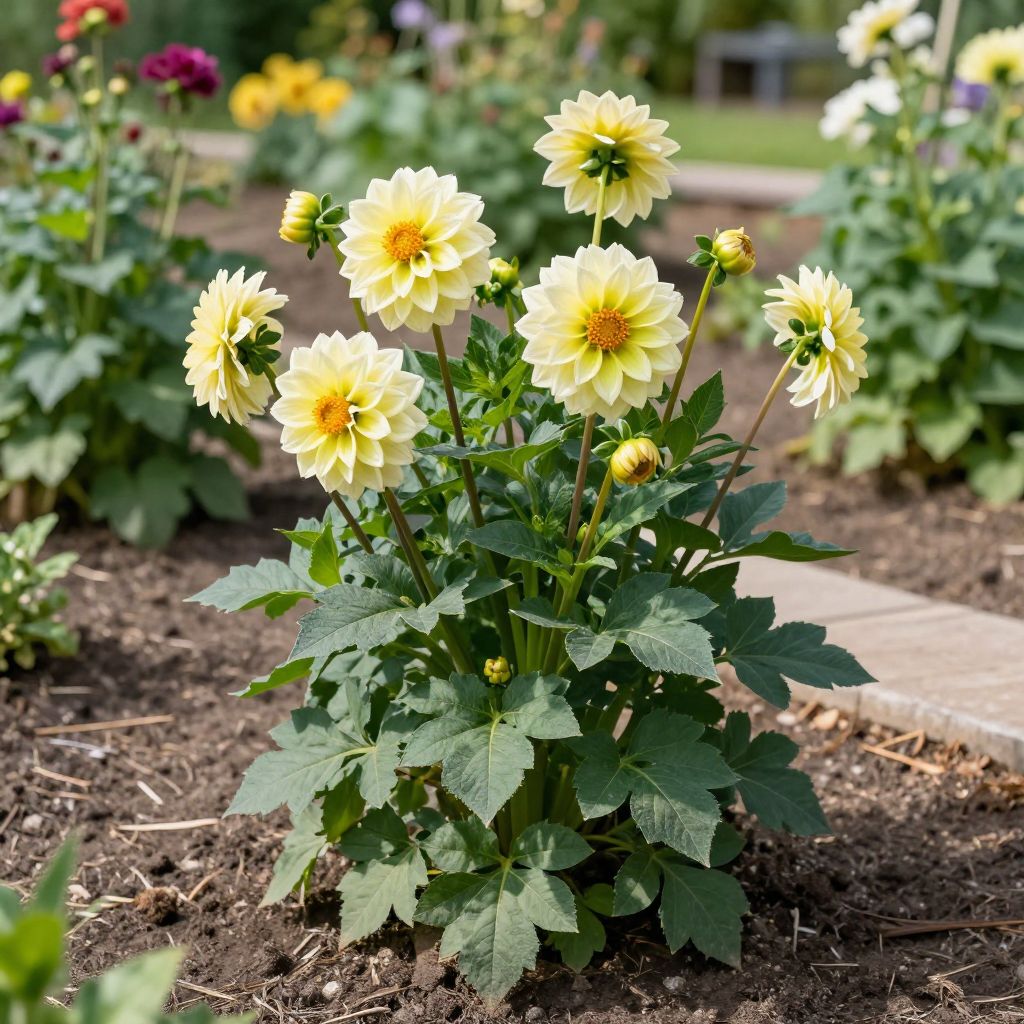
Do dahlias bloom all summer? They can bloom for a very long stretch, but usually not nonstop from the first warm days to the last. Dahlias are repeat bloomers that flower best when they get plenty of sun, regular deadheading, and steady care through the warm season.
If you want a garden filled with dahlia color for months, the key is understanding how these plants grow. With the right conditions, many dahlias keep producing buds from midsummer until frost, and in mild climates they may flower even longer.
Do dahlias bloom all summer?
Dahlias do not usually bloom continuously from early summer in every climate, but they can flower for most of the warm season once established. In many gardens, they start blooming in midsummer and keep going until the first frost, especially if you deadhead spent flowers, water consistently, and avoid excess nitrogen.
When dahlias actually start blooming
Dahlias are warm-season plants, so they need heat and time before they begin flowering. Most garden dahlias bloom after the plants have settled in and built enough growth to support buds, which is why early-season flowers are less common than mid- to late-season blooms.
What affects first bloom time
- Planting method: Tubers usually take longer to bloom than already-growing nursery plants.
- Temperature: Cool soil slows sprouting and early growth.
- Sunlight: More sun usually means stronger growth and earlier flowering.
- Variety: Some dahlias are naturally earlier bloomers than others.
- Growing conditions: Rich soil, drainage, and moisture all influence how quickly buds form.
If you plant tubers in spring, do not expect flowers right away. The plant often spends several weeks developing stems and roots before it begins to bloom.
How to keep dahlias blooming longer
The best way to extend dahlia flowering is to keep the plant actively growing and remove fading blooms before they set seed. Dahlias respond well to simple maintenance, and a few steady habits can make a big difference in how long they flower.
1. Give them full sun
Dahlias bloom best in at least 6 to 8 hours of direct sun a day. In hot climates, a little afternoon shade can help prevent stress, but too much shade usually means fewer flowers and leggier stems.
2. Deadhead regularly
Remove spent flowers as soon as they fade. Cut the stem back to a healthy leaf node or side shoot, which encourages the plant to make more buds instead of putting energy into seed production.
3. Water deeply and evenly
Dahlias dislike drying out completely, especially while budding and blooming. Water deeply when the top layer of soil begins to dry, but avoid soggy ground, which can cause rot and weak growth.
4. Feed wisely
Use a balanced approach to feeding. Too much nitrogen can produce lush leaves but fewer flowers, so avoid heavy lawn-style fertilizers. Compost, well-rotted organic matter, or a balanced flower fertilizer often works better than pushing leafy growth.
5. Support tall plants
Many dahlias need staking or a support cage. Upright stems are less likely to break, and healthy, supported plants can keep flowering longer than stressed or damaged ones.
Best growing conditions for long-lasting blooms
Dahlias reward gardeners who match their needs closely. They prefer fertile, loose soil and a site that drains well, because waterlogged roots are one of the fastest ways to reduce flowering.
Soil and drainage
Plant dahlias in soil that is rich but not heavy. If your ground is clay-based or tends to stay wet, improve it with compost and consider raised beds or mounded planting areas so excess water drains away.
A good soil structure helps roots grow steadily, and steady root growth supports more flowers. If water puddles after rain, dahlias may struggle no matter how much sun they get.
Compost and organic matter
Mixing compost into the planting area helps improve both moisture retention and drainage. It also supports the kind of moderate, steady fertility dahlias prefer during the blooming season.
Spacing
Give each plant enough room for air movement. Crowded dahlias are more prone to mildew and other diseases, and poor airflow can shorten the blooming period.
- Space plants according to their mature size.
- Leave room for staking and access.
- Avoid planting too close to shrubs or dense perennials that shade them out.
Why dahlias stop blooming early
If your dahlias flower briefly and then stall, the problem is usually environmental or cultural rather than the plant “failing.” A few common issues can interrupt bloom production.
Too much shade
Without enough sun, dahlias may grow tall and leafy but produce fewer buds. If possible, move them to a brighter spot next season.
Heat stress or drought
Very hot weather, dry soil, and reflected heat from walls or pavement can reduce flowering. Mulch can help moderate soil moisture, but keep it a few inches away from the stems.
Overfeeding with nitrogen
Excess nitrogen encourages foliage at the expense of flowers. If your plants look huge but bloom poorly, review what fertilizer or composted materials they are receiving.
Not deadheading
Spent flowers left on the plant can slow new bud formation. Regular deadheading is one of the simplest ways to keep dahlias blooming.
Pests and disease
Insect damage, viral problems, powdery mildew, and rot can all reduce bloom quality. Healthy leaves are important because the plant needs them to fuel flower production.
Seasonal bloom pattern: what to expect
Dahlia bloom timing depends on your climate, but the general pattern is similar in many gardens. They are usually not early spring bloomers, and they often shine most strongly in the second half of the growing season.
Spring
After planting, dahlias focus on root growth and stems. If you started with tubers, this stage may feel slow, but it sets up the later bloom flush.
Summer
As temperatures warm and the plants mature, buds begin to appear. Once flowering starts, consistent deadheading and watering can keep the show going.
Late summer into fall
This is often peak dahlia season. Many gardeners find that plants are at their best when nights begin to cool slightly but frost has not yet arrived.
Important: In frost-prone areas, dahlias stop blooming when cold weather damages the plant. They are not true all-summer-to-winter bloomers outdoors in most climates.
How to plant dahlias for more flowers
Good planting technique gives dahlias a stronger start, which usually means more blooms later. Whether you grow them from tubers or nursery plants, the goal is the same: warm soil, good drainage, and room to grow.
- Choose a sunny site with well-drained soil.
- Work in compost if the soil is poor or compacted.
- Plant after the soil has warmed and frost risk has passed in your area.
- Set tubers or plants at the proper depth for your conditions.
- Water in lightly, then keep the soil evenly moist as growth begins.
- Install stakes or supports early so roots are not disturbed later.
If you are unsure when to plant, use your local frost dates and soil temperature rather than a fixed calendar date. Dahlias respond better to local conditions than to a universal schedule.
Pruning and pinching for better bloom
Light pruning can improve the shape of the plant and encourage more flowering stems. The exact approach depends on the variety and how much space you have, but the goal is to create a sturdy, branching plant.
Pinching young plants
When a young dahlia has several sets of leaves, pinching out the growing tip can encourage branching. More branches often mean more flowering stems later, though it may delay the first bloom slightly.
Removing weak growth
Trim away damaged, weak, or crowded stems so the plant can direct energy into stronger shoots. This also improves airflow around the plant.
Pests and diseases that can shorten bloom time
Healthy foliage supports healthy flowers, so pest and disease control matters if you want a long bloom season. Watch plants regularly rather than waiting until the damage is severe.
Common pests
- Aphids: Cluster on tender growth and buds.
- Spider mites: Thrive in hot, dry conditions and can dull foliage.
- Slugs and snails: May damage young shoots and leaves.
- Earwigs: Can chew petals and buds in some gardens.
Common diseases
- Powdery mildew: More likely in crowded, poorly ventilated plantings.
- Rot: Often linked to wet soil or damaged tubers.
- Viruses: Can cause distorted growth and reduced flowering.
To reduce problems, keep the area clean, avoid overhead watering late in the day, and remove badly affected plants if they decline sharply. Healthy, vigorous plants usually bloom better than stressed ones.
Can you make dahlias bloom all summer in pots?
Yes, container-grown dahlias can bloom for a long time if the pot is large enough and the plant gets enough sun and water. Containers dry out faster than garden beds, so potted dahlias often need closer attention during hot weather.
Container care tips
- Use a pot with drainage holes.
- Choose a container large enough for root growth and stability.
- Use a high-quality potting mix, not heavy garden soil.
- Check moisture often in warm weather.
- Feed lightly and regularly if the plant is growing well.
Container dahlias can be especially useful for patios and small spaces, but they usually need more frequent watering than in-ground plants. If the pot dries out repeatedly, flowering may slow or stop.
Harvesting dahlia flowers for indoor arrangements
Cutting flowers for bouquets does not harm blooming if you harvest correctly. In fact, regular cutting can encourage the plant to keep producing new stems and buds.
How to cut for the longest vase life
- Cut stems in the cool part of the day.
- Choose flowers that are fully open or nearly open, depending on your preference.
- Use clean, sharp pruners.
- Place stems in water right away.
- Remove any leaves that would sit below the waterline.
Cutting flowers can be a good way to keep plants tidy and productive, especially on vigorous varieties that bloom heavily.
Simple answer: yes, but with a few conditions
Dahlias can bloom for most of summer and often well into fall, but they do not usually flower nonstop without help. To get the longest display, give them full sun, rich well-drained soil, steady moisture, support, and regular deadheading. If frost arrives early in your area, the bloom season will end sooner.
If you want to keep learning, a helpful next step is to read more about how to deadhead flowers correctly and how to grow dahlias in pots for longer, better bloom performance.