If you’ve seen “sandy loam” on a seed packet, plant label, or soil report and wondered what it means, you’re asking the right question. Soil texture affects drainage, watering, root growth, and how easily plants can feed and anchor themselves.
Sandy loam is often considered one of the most garden-friendly soil types because it balances drainage with some moisture and nutrient-holding ability. The key is learning how to identify it and how to manage it so your plants get the benefits without drying out too quickly.
What is sandy loam soil?
Sandy loam soil is a balanced mix of sand, silt, and a smaller amount of clay, with enough organic matter to make it workable and fertile. It feels loose and crumbly, drains well, and still holds more water and nutrients than pure sand, making it a strong all-purpose garden soil.
How to identify sandy loam soil
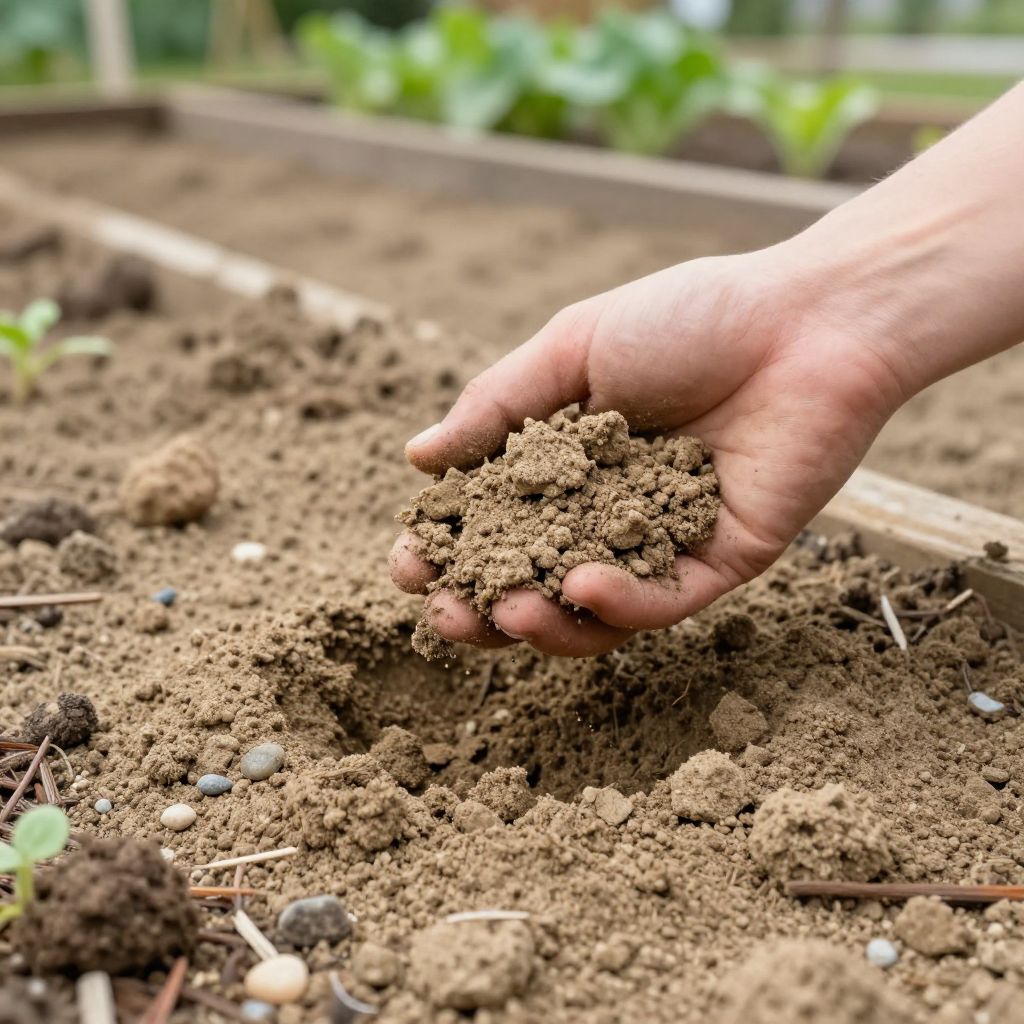
You can identify sandy loam by both feel and behavior. It should crumble easily in your hand, form a weak ball when moist, and drain faster than clay soil without disappearing into dust like pure sand.
The hand test
- Take a small handful of slightly moist soil, not soaking wet soil.
- Rub it between your fingers.
- Notice the texture: sandy loam feels gritty, but not harshly loose.
- Squeeze it into a ball.
- If it holds briefly but breaks apart with light pressure, that is a common sign of loam with sand in it.
What it looks and feels like
- Texture: gritty, but with some smoothness from silt and organic matter.
- Shape: forms a loose ball, not a sticky ribbon.
- Drainage: water soaks in fairly quickly.
- Workability: easy to dig, plant, and rake.
- Color: often brown or dark brown if it contains enough organic matter, though color alone is not enough to identify it.
Simple jar test at home
If you want a more reliable check, use a jar test. Fill a clear jar about one-third full with soil, add water, shake well, and let it settle for a day or two. Sand settles first, silt next, and clay last. Sandy loam usually shows a larger sand layer with noticeable silt and a smaller clay layer.
Why sandy loam is good for gardening
Sandy loam gives many plants the best of both worlds: good drainage and enough moisture retention to support steady growth. It is especially useful where roots need oxygen and where heavy rainfall can cause waterlogging in denser soils.
Benefits for home gardens
- Better root growth: roots can spread more easily through loose soil.
- Less waterlogging: fewer problems with standing water after rain or irrigation.
- Easy planting: beds are simpler to dig and amend.
- Good warming in spring: sandy soils often warm faster than clay soils, which can help early growth.
Possible drawbacks
Sandy loam is not perfect. If it contains too much sand and too little organic matter, it can dry out quickly and lose nutrients faster than heavier soils. In hot or windy climates, that means you may need to water and mulch more carefully.
What plants grow well in sandy loam?
Many vegetables, herbs, flowers, shrubs, and fruiting plants do well in sandy loam because their roots get air and water moves through the soil efficiently. The best choices depend on your climate, sunlight, and how much organic matter you maintain in the bed.
Plants that often perform well
- Root crops such as carrots, radishes, and parsnips
- Leafy crops such as lettuce and spinach in cooler conditions
- Many herbs, including rosemary, thyme, oregano, and basil
- Perennials that dislike soggy roots
- Lawns and mixed borders where drainage matters
Plants that may need extra care
Plants that prefer consistently moist or rich soil may need more frequent watering and compost additions in sandy loam. In very sunny sites, shallow-rooted crops can stress quickly if the soil dries between waterings.
How to improve sandy loam for gardening
Even good soil usually benefits from regular organic matter. The goal is to help sandy loam hold moisture and nutrients longer without losing its useful drainage.
Add organic matter regularly
Compost is the most useful amendment for sandy loam. Spread a layer over the bed and work it into the top few inches, or use it as a top dressing around established plants.
- Well-finished compost
- Leaf mold
- Well-rotted manure, if appropriate for your garden and fully aged
- Mulch that breaks down over time, such as shredded leaves or fine bark
Avoid relying on sand to “fix” sandy loam. Adding more sand to a garden bed usually does not improve structure and can make the soil poorer if the mix becomes too coarse.
Use mulch to slow drying
A 2- to 3-inch layer of mulch helps reduce evaporation, moderate soil temperature, and protect soil life. Keep mulch a little away from stems and trunks to prevent rot and pest problems.
Feed lightly but consistently
Sandy loam can lose nutrients more quickly than clay-rich soil, especially after heavy rain. Instead of overfertilizing, focus on steady organic matter and use plant-specific feeding only when needed based on crop performance and soil test results.
How to water sandy loam correctly
Sandy loam usually needs more thoughtful watering than heavier soils because it drains faster. The best approach is to water deeply enough to reach the root zone, then let the upper soil begin to dry slightly before watering again.
Watering tips that work
- Check the soil with your finger before watering.
- Water slowly so moisture can soak in instead of running off.
- Use drip irrigation or a soaker hose when possible.
- Water earlier in the day in hot climates to reduce evaporation.
- Adjust frequency after rain, wind, heat, and plant maturity.
Young transplants and newly seeded areas need more frequent moisture than established plants. Once roots are deeper, sandy loam can support stronger growth with less constant watering, as long as the bed is mulched and not allowed to dry out completely.
How sandy loam affects planting and maintenance
Because sandy loam is loose and well-drained, it makes planting easier and reduces compaction problems. You still need to prepare the bed properly, especially if the soil has been neglected or repeatedly worked when wet.
Before planting
- Remove weeds and large debris.
- Loosen the topsoil without pulverizing it.
- Mix in compost if the bed looks pale, dry, or low in organic matter.
- Level the surface so water spreads evenly.
During the growing season
- Top up mulch as it breaks down.
- Watch for fast drying after heat waves or windy weather.
- Check for nutrient deficiency if plants yellow or stall.
- Replenish compost annually or seasonally, depending on crop demand.
Common problems in sandy loam soil
Sandy loam is forgiving, but it still has a few common issues. Most of them are manageable with mulch, compost, and careful watering.
Soil dries too fast
If plants wilt by midday or the top layer dries within a day or two, the soil may be too sandy or too exposed. Add organic matter, increase mulch depth, and group plants with similar water needs together.
Nutrients leach out quickly
Yellowing leaves, weak growth, and poor flowering can point to nutrient loss. A soil test is the best way to confirm what is missing. Compost helps, but severely depleted soil may also need targeted amendments based on test results.
Soil is too loose for some plants
Large, top-heavy plants may need staking, deeper planting holes, or improved root anchoring with added organic matter. In windy areas, windbreaks and mulch can help stabilize the bed.
Surface crusting or erosion
Even sandy loam can crust if exposed to heavy rain or repeated overhead watering. Mulch, ground covers, and gentle irrigation reduce erosion and keep the soil surface open.
How to tell sandy loam from other soil types
It helps to understand the difference between sandy loam and nearby textures so you can make better planting choices.
- Pure sand: drains very fast, feels loose and gritty, and does not hold together well.
- Sandy loam: still gritty, but holds a little moisture and nutrients better than sand.
- Loam: more balanced and slightly richer in silt and clay, often easier for many crops.
- Clay soil: sticky when wet, hard when dry, and slow to drain.
If your soil sits between categories, that is normal. Most garden soils are blends, and the practical question is not just “What is sandy loam soil?” but “How does this soil behave in my garden?”
Best practices for gardening in sandy loam
To get the most from sandy loam, treat it as a living growing medium, not just dirt. Good structure comes from steady organic matter, sensible watering, and matching plants to the site.
- Use compost every season or at least once a year.
- Keep soil covered with mulch when possible.
- Water deeply rather than lightly and often.
- Choose plants that suit your sun exposure and climate.
- Test soil if growth is weak or leaves show nutrient problems.
Conclusion
Sandy loam is a loose, fertile, well-drained soil that suits a wide range of garden plants when managed well. If you want to improve your beds, start by checking the texture with a simple hand or jar test, then add compost and mulch to help the soil hold more water and nutrients.
For more practical help with soil improvement and bed preparation, you may also want to read related gardening guides on composting and soil testing.