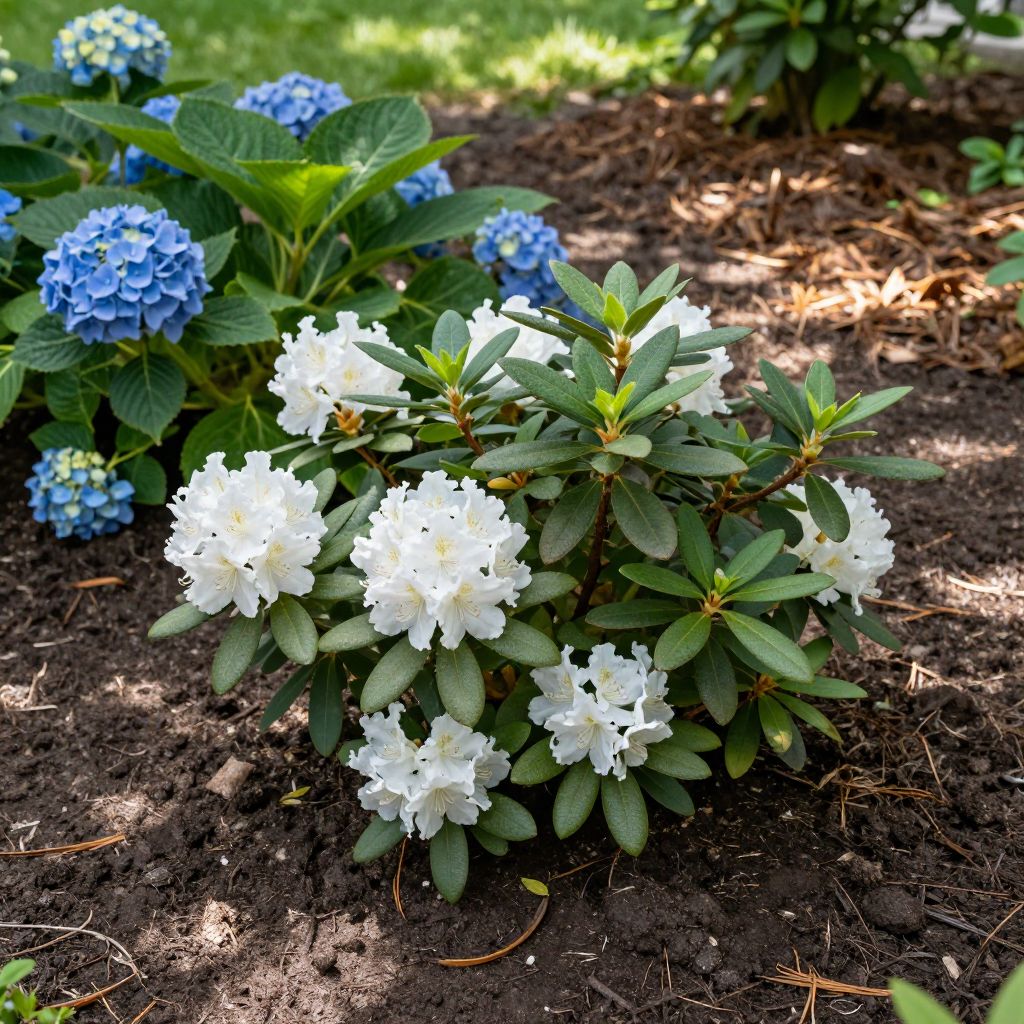
If you’re wondering what plants like acidic soil, you’re probably trying to match the right plants to your garden’s natural pH or fix a bed that keeps underperforming. Acid-loving plants do best when the soil is slightly to strongly acidic, usually below pH 7.
The good news is that many popular shrubs, flowers, fruits, and trees prefer acidic conditions. Once you know which plants need them and how to manage pH, you can grow healthier, more vigorous plants with fewer nutrient problems.
What plants like acidic soil?
Acidic soil suits plants that naturally grow in woodland, heath, bog, or pine-forest conditions. Common examples include blueberries, azaleas, rhododendrons, camellias, hydrangeas, heathers, gardenias, magnolias, Japanese maples, and many conifers. Most prefer a pH around 4.5 to 6.0, though exact needs vary by plant.
Which garden plants prefer acidic soil?
Many ornamentals and edibles thrive when the soil is on the acidic side. If your soil is alkaline or neutral, these plants may struggle to absorb iron and other nutrients, even if the bed looks fertile.
Popular acid-loving shrubs and flowers
- Azaleas and rhododendrons – classic acid-soil shrubs that prefer humus-rich, well-drained soil.
- Camellias – perform best in acidic soil with even moisture and partial shade.
- Gardenias – need acidic soil and consistent moisture to avoid yellowing leaves.
- Heathers and heaths – prefer lean, acidic, free-draining soil.
- Hydrangeas – grow in a range of soils, but blue flower color is associated with acidic conditions in suitable varieties.
- Magnolias – generally do well in slightly acidic, moisture-retentive soil.
Fruit and edible plants that like acidic soil
- Blueberries – one of the best-known acid-loving crops; they need strongly acidic soil.
- Cranberries – require very acidic, moist conditions and are less common in home gardens.
- Strawberries – tolerate slightly acidic soil and often grow well around pH 5.5 to 6.5.
- Raspberries and blackberries – usually prefer slightly acidic to neutral soil, depending on variety and local conditions.
Trees and landscape plants
- Japanese maples – often grow best in slightly acidic, well-drained soil.
- Pines and many conifers – commonly favor acidic conditions.
- Dogwoods – often perform well in slightly acidic soil with organic matter.
- Oak trees – many species are adapted to acidic woodland soils.
Why acidic soil helps some plants
Soil pH affects how easily roots can take up nutrients. In alkaline soil, acid-loving plants may show yellowing leaves, weak growth, or poor flowering because iron, manganese, and other nutrients become less available.
Acidic soil is not automatically better for every plant. It simply matches the native conditions of certain species, especially those evolved in leaf-littered forests, sandy soils, or peat-like habitats.
Signs your soil may be too alkaline for acid-loving plants
- Yellow leaves with greener veins, especially on new growth
- Poor flowering or stunted growth
- Blueberries failing to thrive or setting little fruit
- Leaf scorch or weak, sparse foliage on acid-loving shrubs
How to test soil pH before planting
Before you plant acid-loving species, test your soil. A simple home kit, meter, or lab test will tell you whether your soil is acidic, neutral, or alkaline. This is especially important for blueberries and other plants with narrow pH preferences.
Simple testing steps
- Take small samples from several spots in the bed.
- Remove mulch and debris first so you test the actual soil.
- Mix the samples together for a more accurate reading.
- Test according to the kit instructions or send a sample to a lab.
- Record the result so you can compare it later after any amendments.
If your reading is close to the plant’s preferred range, you may only need to improve organic matter and drainage. If it is far off, choose a different site or grow the plant in a container with the right mix.
How to create acidic growing conditions
Changing pH is possible, but it is usually slower and more reliable in containers than in open ground. For many home gardens, the best strategy is to choose naturally suitable plants for the soil you already have.
Best ways to support acid-loving plants
- Use ericaceous compost for pots and raised beds where appropriate.
- Add organic matter such as leaf mold or well-rotted pine needles to improve soil structure.
- Mulch annually with bark chips or leaf mold to help conserve moisture and support a woodland-style root zone.
- Improve drainage so roots do not sit in waterlogged soil.
- Water with rainwater when possible for containers and sensitive acid-loving plants, especially in hard-water areas.
What to avoid
- Heavy use of lime near acid-loving plants
- Overfeeding with high-phosphorus fertilizers unless a soil test recommends it
- Planting blueberries or azaleas into compacted clay without improvement
- Using alkaline tap water for sensitive container plants in areas with hard water, if it causes problems over time
Important: Do not assume all “acidifying” products work the same way. Soil type, rainfall, and existing pH all affect results, and some amendments work slowly or only temporarily.
Planting tips for acid-loving plants
Good planting technique matters as much as soil pH. Acid-loving plants often have shallow roots, so they need loose, moisture-retentive soil with plenty of air around the root zone.
Step-by-step planting guide
- Choose a site with the right light: full sun, part shade, or dappled shade depending on the plant.
- Check drainage by watering the area and seeing how quickly it drains.
- Dig a wide planting hole, not just a deep one.
- Mix in organic matter suited to the plant, but avoid over-enriching the hole with strong manure or fertilizer.
- Set the plant at the same depth it was growing in its container.
- Water thoroughly after planting and mulch lightly without burying the stem.
Container growing is often the easiest option
If your garden soil is naturally alkaline, pots can be the simplest way to grow acid-loving plants. Use a pot with drainage holes and a compost mix designed for ericaceous plants or other acid-loving crops.
Containers dry out faster than garden beds, so check moisture regularly. This is especially important for blueberries, camellias, and azaleas in warm weather.
Best growing conditions by plant type
Blueberries
Blueberries need strongly acidic soil, consistent moisture, and excellent drainage. They also perform best in a sunny position with protection from drying winds.
- Use ericaceous compost or an acidic planting medium.
- Mulch with pine bark, leaf mold, or similar organic material.
- Avoid planting in ordinary garden soil if the pH is too high.
Azaleas, rhododendrons, and camellias
These shrubs prefer humus-rich, acidic soil and partial shade in many climates. They dislike drought, compacted soil, and hot reflected sun.
- Water deeply during dry spells.
- Mulch to keep roots cool and moist.
- Prune lightly after flowering if shaping is needed.
Heathers
Heathers need acidic, free-draining soil and plenty of sun. They do poorly in rich, heavy, or waterlogged ground.
- Plant in open, sunny areas.
- Keep soil lean and well drained.
- Trim after flowering to prevent plants from becoming woody.
Hydrangeas
Hydrangeas are adaptable, but soil pH can influence flower color in some varieties. They do best in moisture-retentive soil with morning sun and afternoon shade in hotter climates.
- Keep the soil evenly moist.
- Mulch annually to reduce drying out.
- Prune according to the type, since not all hydrangeas are cut back the same way.
Common problems when growing acid-loving plants
Yellow leaves
Yellowing, especially on new growth, often points to iron chlorosis caused by high pH. Check the soil test first before adding more fertilizer.
Fixes include lowering pH where practical, switching to rainwater for pots, and using a suitable feed for acid-loving plants if nutrient deficiency is confirmed.
Poor flowering or weak growth
This can happen when the soil is too alkaline, too dry, or too compacted. It may also be caused by too much shade or overfeeding with the wrong fertilizer.
Improve the planting site, top-dress with organic matter, and make sure the plant gets the light level it needs.
Root problems in wet soil
Many acid-loving plants like moisture, but they still need oxygen around the roots. Waterlogged soil can lead to root decline and disease.
Raise the bed, improve drainage, or move the plant to a container if the site stays soggy.
Feeding, watering, and maintenance
Acid-loving plants usually prefer steady, moderate feeding rather than heavy fertilizing. A mulch of organic matter often does more good than repeated strong feeding.
Practical maintenance routine
- Check soil moisture regularly, especially in containers and during dry weather.
- Mulch once a year, keeping mulch away from stems and trunks.
- Remove dead, damaged, or diseased growth as needed.
- Use fertilizers labeled for acid-loving plants only when appropriate for the species and soil.
- Retest soil pH every so often if you are actively adjusting it.
For outdoor beds, rainfall, soil texture, and local water quality all influence how quickly pH changes over time. In hard-water areas, you may need to monitor pH more often than in regions with naturally soft rainwater.
Can you grow acid-loving plants in alkaline soil?
Yes, but your options depend on how alkaline the soil is and how much effort you want to invest. Some plants may survive in slightly alkaline ground, but true acid lovers like blueberries usually need a dedicated acidic bed or container.
If your garden is naturally alkaline, focus on plants that tolerate your soil rather than fighting it everywhere. For the most demanding species, containers, raised beds, or a specially prepared planting area are usually the most reliable solutions.
Conclusion: choose the right plant for the right pH
Now that you know what plants like acidic soil, start with a soil test and match your planting choices to your conditions. If you want the easiest success, grow true acid lovers like blueberries, azaleas, camellias, or heathers in a bed or container that suits them.
For more practical gardening guidance, you may also want to read about how to test and adjust soil pH and container gardening basics.