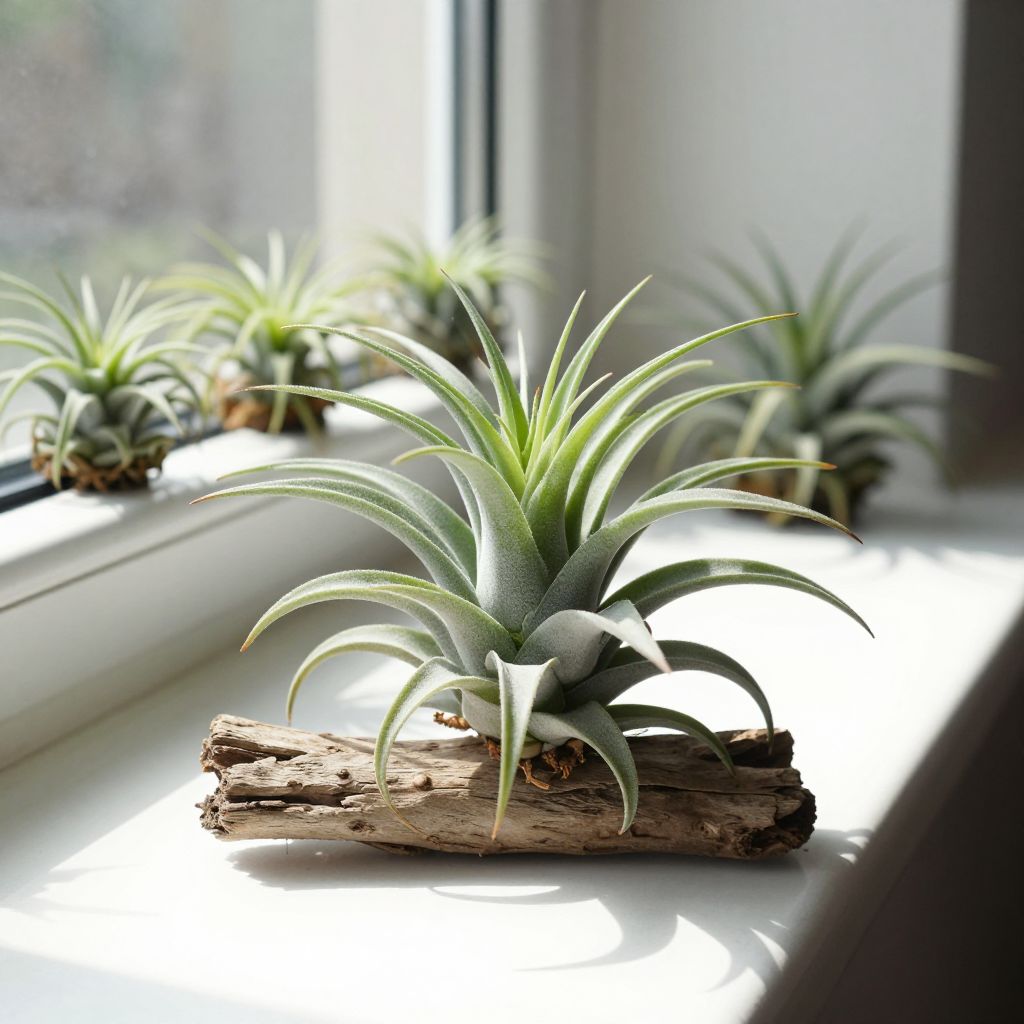
Do air plants need sun? Yes—but not harsh, direct sun for long periods. Most air plants, or Tillandsia, grow best in bright, filtered light that mimics the dappled conditions they get in nature. Too little light weakens them, while too much direct sun can scorch their leaves.
The right balance depends on the species, your indoor light levels, and the season. If you learn how to read the leaves and place them correctly, air plants can stay healthy and colorful with very little fuss.
Do air plants need sun?
Air plants need bright light to grow well, but they usually do best in indirect sun or bright filtered light rather than hot, direct afternoon sun. A few hours of gentle morning sun can work for some types, but intense midday rays often cause drying and leaf burn.
How much light do air plants really need?
Think “bright shade,” not deep shade and not full sun. In most homes, an east-facing window, a bright north-facing window, or a spot a few feet back from a south- or west-facing window is ideal.
Good light signs
- Leaves stay firm and evenly colored.
- Growth is steady, even if slow.
- Plants may blush slightly before blooming, especially with good light.
Too little light signs
- Leaves become thin, dull, or floppy.
- New growth is sparse or stretched.
- The plant stops blooming or producing pups.
Too much sun signs
- Leaves turn pale, bleached, or crispy.
- Brown tips or dry patches appear suddenly.
- The plant feels dry even after watering.
Best indoor light conditions for air plants
Indoors, air plants usually need more light than a shaded houseplant but less than a cactus. Bright, indirect light for most of the day is the safest target.
- East window: Often excellent because morning sun is gentler.
- South or west window: Works if the plant is set back from the glass or shielded by a sheer curtain.
- North window: Can be fine in bright homes, but may be too dim in winter or in darker rooms.
- Artificial light: A bright grow light can help if natural light is limited.
If you use a grow light, keep it bright but not scorching. A moderate-distance setup is usually better than placing the plant directly against a hot bulb or very intense panel.
Simple placement rule
If you can comfortably read a book in the spot during the day, the light may be suitable for many air plants. If the area feels dim to you, it is probably too dark for long-term health.
Can air plants get direct sun?
Yes, but only in limited amounts and only if the plant is acclimated. Some Tillandsia species tolerate more sun than others, especially those with thicker, silvery, or fuzzier leaves. Still, even sun-tolerant types can burn if moved suddenly into strong light.
When direct sun may be okay
- Early morning sun for a short period.
- Filtered sunlight through sheer curtains.
- Outdoor placement in bright shade with brief sun exposure.
When to avoid direct sun
- Hot afternoon sun through a window.
- Summer sun on a porch or patio without shade.
- Any sudden move from low light to full sun.
Important: Glass can intensify heat. A plant that seems fine outdoors in gentle sun may scorch quickly on a sunny windowsill.
How to tell if your air plant is getting the right amount of light
Air plants often show light problems before they fail completely, so checking the leaves regularly is one of the easiest ways to prevent trouble.
Healthy light exposure often looks like this
- Leaves are plump, flexible, and evenly colored.
- The plant grows slowly but steadily.
- Flowering species may bloom when mature.
Adjust light if you notice these problems
- Yellowing or bleaching: Move the plant farther from the window or add a curtain.
- Brown, crispy tips: Check for sun scorch, low humidity, or inconsistent watering.
- Stretching or flattening: Increase light gradually.
Do not change the plant’s position too abruptly if it has been in a lower-light area. Move it closer to brighter light over several days or weeks so it can adapt.
Outdoor growing: sun, shade, and seasonal care
If you grow air plants outdoors in warm weather, they still need protection from intense sun, wind, and rain. Outdoors, the goal is usually bright shade under a tree, porch roof, or shade cloth.
Outdoor placement tips
- Give morning sun and afternoon shade if possible.
- Protect plants from hot, drying wind.
- Keep them where rainwater can drain away quickly.
- Bring them inside if temperatures become too cool for the species you grow.
Seasonal light changes matter. A spot that is perfect in winter may become too intense in summer, especially near reflective surfaces like white walls, patios, or windows.
How light affects watering and drying
Light and watering are closely connected. In brighter conditions, air plants usually dry faster and may need more frequent soaking or misting than plants kept in lower light. In dimmer conditions, they dry more slowly and are easier to overwater.
Why this matters
- Bright light helps the plant use water efficiently.
- Poor light plus frequent watering can lead to rot.
- Strong sun plus infrequent watering can cause dehydration and leaf curl.
After watering, air plants should dry fully with good air circulation. Never let water sit trapped in the center of the plant for long periods, especially if the plant is also in lower light.
Common mistakes to avoid
Most air plant problems come from a few simple placement errors. Fixing these early can save the plant.
- Putting them in a dark room: Decorative shelves far from windows often look nice but provide too little light.
- Leaving them in harsh sun: A sunny sill can be too intense, especially in summer.
- Not rotating the plant: One side may get more light and grow unevenly.
- Watering without enough drying time: Low light and lingering moisture can cause rot.
- Moving them too quickly: Sudden light changes can shock the plant.
Practical care tips for healthier air plants
Once you find the right light, routine care becomes much easier. Keep the plant clean, airy, and lightly monitored rather than overhandled.
- Rinse off dust occasionally so leaves can absorb light efficiently.
- Rotate the plant every week or two for even exposure.
- Use open containers, wire holders, or mounts that allow airflow.
- Watch for signs of stress after seasonal changes in sun angle.
If your home is dark in winter, move the plant closer to a bright window during the cold months, then shift it back if summer sun becomes too intense.
What about flowering and pups?
Good light often helps air plants reach blooming size and produce offsets, or pups. While light alone does not guarantee flowers, weak light usually delays flowering and reduces overall vigor.
After blooming, the mother plant gradually declines as pups develop. Bright, indirect light helps those new plants grow strong enough to mature.
Quick troubleshooting guide
- Plant looks pale and dry: Move it slightly out of direct sun and check watering habits.
- Plant is dark, soft, or mushy: Reduce moisture and improve airflow; too little light may be part of the problem.
- Plant is stretching toward the window: It needs more light.
- Leaf tips burn after a move: Reposition to gentler light and acclimate more slowly next time.
Conclusion
So, do air plants need sun? Yes, but usually in the form of bright, indirect light rather than strong direct rays. Start by placing your plant near a bright window, watch how the leaves respond, and adjust gradually until you find the sweet spot for your home or garden.
If you want to keep learning about easy indoor plant care, you may also enjoy reading about how to grow air plants indoors and choosing the right light for houseplants.