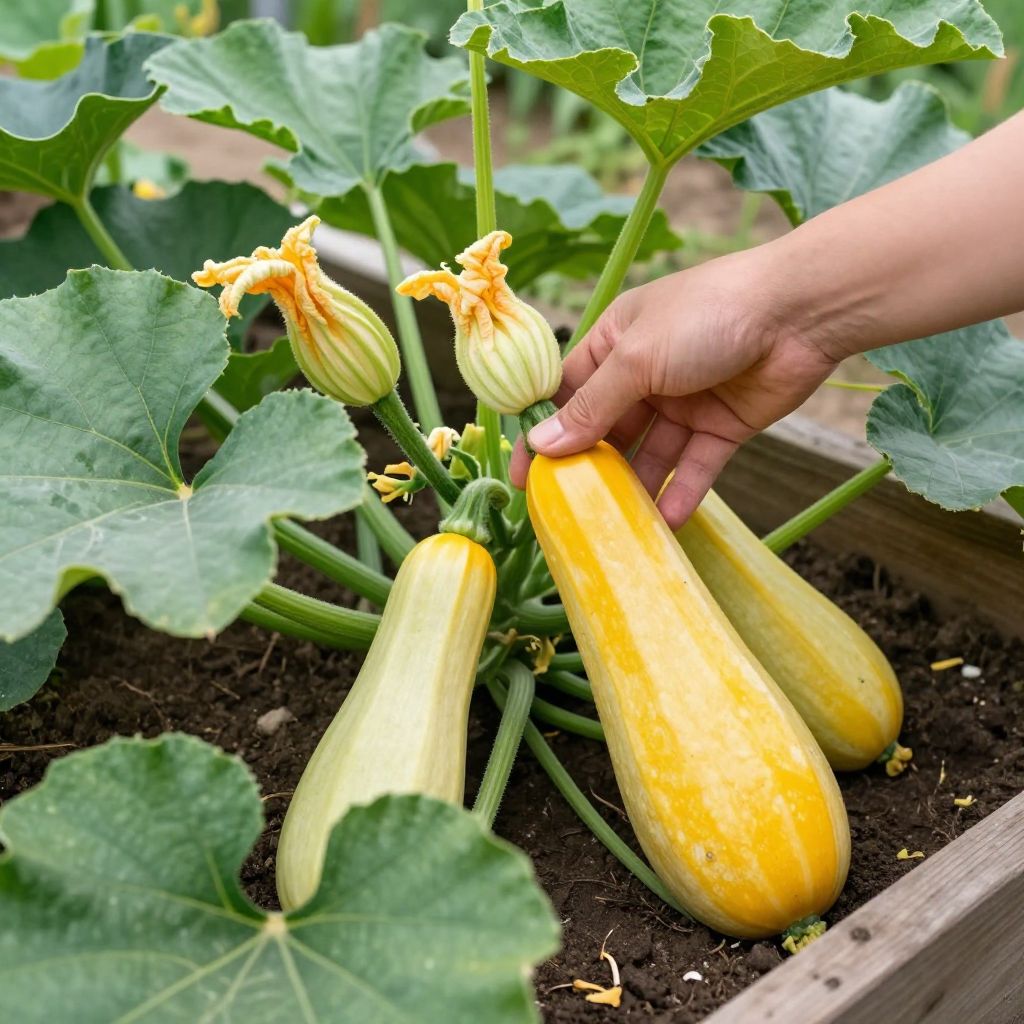
Wondering when to pick squash so it tastes best and keeps producing? The right harvest time depends on the type of squash, how fast it grows, and whether you want tender summer squash or fully cured winter squash. Picking at the right stage gives you better flavor, smoother texture, and healthier plants.
If you harvest too early, the fruit may be small and underdeveloped. If you wait too long, summer squash can turn seedy and tough, while winter squash may lose quality or become more vulnerable to pests and rot.
When to Pick Squash?
Pick squash when it has reached the right size for its type and the skin or rind matches the stage you want to eat or store. Summer squash is best harvested young and tender, while winter squash should stay on the vine until fully mature with a hard rind and deep color.
Know Which Squash You’re Growing
“Squash” covers two broad groups, and they are harvested very differently. Before you pick, identify whether you have summer squash or winter squash.
Summer squash
Examples include zucchini, yellow crookneck, straightneck, and pattypan squash. These are harvested immature, while the skin is still tender and the seeds are small.
Winter squash
Examples include butternut, acorn, spaghetti squash, and many pumpkins. These are harvested when fully mature and cured for storage, not eaten at the same stage as summer squash.
How to Tell When Summer Squash Is Ready
Summer squash is usually ready 4 to 8 days after flowering, though timing varies with weather and variety. Harvest when fruits are small to medium, glossy, and easy to cut with a knife or pruners. If you wait until the skin hardens or the seeds enlarge, quality drops quickly.
Good harvest signs for summer squash
- Fruit is still tender and glossy
- Skin is easy to pierce with a fingernail
- Seeds are soft and undeveloped
- Size matches the variety’s best eating stage
For zucchini, many gardeners harvest when fruits are about 6 to 8 inches long, but smaller is often better for tenderness. Pattypan squash is often best when 2 to 4 inches across, depending on variety.
What happens if you leave summer squash too long?
Overgrown summer squash becomes watery, fibrous, and full of large seeds. The plant also slows down because mature fruits signal it to stop producing as heavily.
How to Tell When Winter Squash Is Ready
Winter squash needs time to fully mature on the vine. Most types are ready when the rind is hard, the color deepens, and the stem begins to dry and cork over. Unlike summer squash, winter squash should not be picked while the skin is still soft.
Good harvest signs for winter squash
- Rind is hard and resists a thumbnail test
- Skin has deep, mature color
- Stem is dry, woody, or corky
- Vine foliage begins to decline naturally
Some winter squash also develop a duller, less shiny skin as they mature. If frost is approaching, harvest even slightly immature squash rather than risk cold damage.
Do not rely on size alone
Large fruit is not always ripe. Some varieties stay small, while others grow much bigger. Always check rind hardness and stem condition instead of judging by size alone.
Seasonal Timing: Early, Mid, and Late Season Harvests
Squash ripening depends on temperature, sunlight, rainfall, and the variety’s days to maturity. Warm weather speeds growth, while cool nights and shorter days slow it down. Use your local conditions as the final guide, not just the seed packet.
Early season
In early summer, summer squash may begin producing quickly after flowering. Check plants every day or two because fruits can grow from small to overripe in a short time.
Midseason
This is often the peak harvest period for both summer and winter squash. Plants may be producing heavily, so frequent picking helps keep new fruit forming.
Late season
As nights cool, winter squash should finish ripening if possible. Watch for frost warnings and harvest before cold weather damages the fruit or vine.
How to Harvest Squash Correctly
Use a clean knife, pruners, or garden snips instead of twisting fruit off by hand. Cutting is safer for the plant and reduces the chance of tearing stems or vines.
- Check fruit size and maturity first.
- Hold the squash gently but firmly.
- Cut the stem, leaving a short stub attached to the fruit.
- Place harvested squash in a shaded spot right away.
Leave the stem attached whenever possible. A short stem helps reduce rot, especially on winter squash meant for storage.
What to Do After Picking
How you handle squash after harvest affects flavor and storage life. Summer squash should be cooled and used soon, while winter squash benefits from curing if you plan to store it.
Summer squash after harvest
Store summer squash in the refrigerator and use it within a few days for the best texture. Keep it dry and avoid sealing it in a wet bag, which can speed decay.
Winter squash after harvest
Let winter squash cure in a warm, dry, well-ventilated place if the variety is suitable for storage. Curing helps toughen the rind and improve keeping quality. Avoid curing fruit that is damaged, split, or frost-kissed.
How Often Should You Pick Squash?
Frequent picking is one of the easiest ways to keep squash productive. Summer squash often needs checking every day or two during peak season. Winter squash is usually harvested once per fruit, when each one reaches full maturity.
If you miss a few fruits, remove the oversized ones anyway. Leaving giant summer squash on the vine can reduce new fruit set and make the plant look exhausted sooner.
Common Mistakes When Deciding When to Pick Squash
Many harvest problems come from waiting too long or harvesting too soon. A few simple checks can prevent disappointment.
- Picking by calendar only: Weather and variety change timing, so always inspect the fruit.
- Ignoring texture: Tender skin is important for summer squash, while hard rind matters for winter squash.
- Letting fruit get oversized: This is the most common reason summer squash becomes tough and seedy.
- Harvesting winter squash too early: Immature fruit stores poorly and may taste bland.
- Tearing fruit from the vine: This can damage the plant and shorten production.
Problems That Can Affect Harvest Timing
Pests, diseases, and weather can change when you should pick squash. If plants are declining, it may be smarter to harvest slightly early than lose the crop.
Pests
Squash vine borers, squash bugs, and cucumber beetles can weaken vines and reduce fruit quality. If the plant is collapsing, inspect fruit closely and harvest usable squash promptly.
Diseases
Powdery mildew, bacterial wilt, and other leaf diseases can shorten the season. Fruit may still be usable if it is mature and undamaged, but do not leave it on a dying vine longer than necessary.
Cold and frost
Light frost can damage summer squash quickly and ruin the storage life of winter squash. If frost is forecast, harvest mature fruit before temperatures drop.
Simple Harvest Checklist
Use this quick check before you cut:
- Is it summer squash or winter squash?
- Does the fruit match the right size for the variety?
- Is the skin tender or hard, depending on type?
- Is the stem green and flexible, or dry and corky?
- Is frost, disease, or pest damage a concern?
Final Tips for Better Squash Harvests
When in doubt, harvest summer squash a little young rather than too late. For winter squash, wait for full maturity unless weather or plant health forces an early pick. The more often you check your plants, the easier it is to catch squash at its best.
For more practical help with your vegetable garden, you may also want to read about how to grow zucchini successfully and how to harvest winter squash for storage.