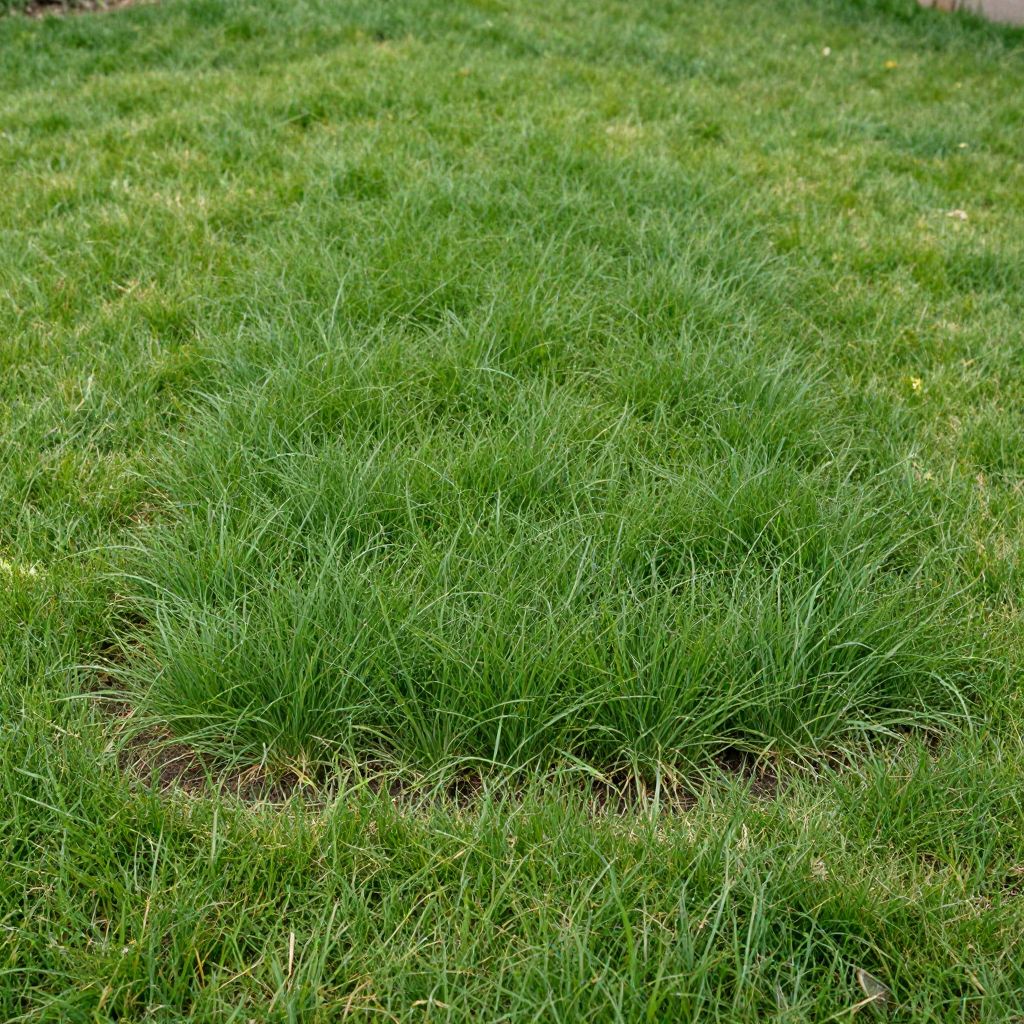
Does zoysia grass spread? Yes—zoysia is a warm-season turfgrass that spreads by both above-ground runners and underground stems, so it can slowly fill in bare areas and form a dense lawn over time.
That spreading habit is one reason many homeowners choose it for lawns, slopes, and problem spots. The pace can be moderate to slow compared with some other grasses, so knowing how it grows helps you set realistic expectations and care for it properly.
Does zoysia grass spread?
Zoysia grass spreads by stolons and rhizomes, which means it expands outward across the soil surface and below it. In good growing conditions, it can gradually knit together into a thick lawn, but it usually spreads more slowly than aggressive grasses like bermudagrass.
How zoysia spreads and what that means for your lawn
Zoysia’s spreading growth is both a benefit and a management issue. It helps the turf recover from wear, fill small gaps, and crowd out some weeds, but it can also creep into flower beds, walkways, and neighboring lawns if edges are not maintained.
Stolons and rhizomes
- Stolons are horizontal stems that grow above the soil and root at nodes.
- Rhizomes are underground stems that push new shoots up through the soil.
- Together, they allow zoysia to spread sideways and thicken from the edges inward.
Why spread speed varies
Zoysia does not spread at the same rate in every yard. Growth depends on temperature, sunlight, soil health, mowing height, watering, and whether you started from seed, plugs, sod, or sprigs.
- Warm weather encourages active spreading.
- Cool weather slows growth dramatically.
- More sun usually means faster fill-in.
- Poor drainage or compacted soil can slow rooting and expansion.
How fast does zoysia grass spread?
Zoysia is generally considered a slow-to-moderate spreader. In a healthy lawn, you may see gradual fill-in over a growing season, but large bare patches often take more than one season to close completely. Patience matters, especially if the lawn is starting from plugs or sprigs rather than sod.
If you want quick coverage, zoysia is usually not the fastest choice. If you want a dense, durable lawn that can eventually self-repair, its spreading growth can be a major advantage.
Best conditions for zoysia to spread well
To encourage spreading, give zoysia the conditions it naturally prefers. It performs best in warm-season growing weather, in full sun to light shade, with well-drained soil and steady but not excessive moisture while it establishes.
Sunlight
Zoysia spreads best in full sun. It can tolerate some shade, but thin growth is common where trees, fences, or buildings block light for much of the day.
If your lawn has shade, expect slower spread and thinner turf. In heavily shaded areas, no amount of watering will fully compensate for insufficient light.
Soil and drainage
Zoysia prefers soil that drains well. Heavy clay, soggy areas, and compacted ground can limit root growth and slow the runners from taking hold.
Before planting or repairing a lawn, loosen compacted soil where possible and level low spots that hold water. A thin topdressing of compost can improve surface structure, but avoid burying the grass crowns.
Watering
Newly planted zoysia needs more consistent moisture than an established lawn. Once rooted, it is relatively drought tolerant, but it still spreads better when it is not stressed by severe dryness.
- Keep newly planted plugs, sprigs, or sod evenly moist until rooted.
- After establishment, water deeply and less often rather than giving frequent shallow watering.
- Avoid keeping the soil constantly wet, which can slow rooting and invite disease.
Mowing
Proper mowing helps zoysia spread by encouraging lateral growth and preventing the lawn from becoming weak or thatchy. Mow often enough that you never remove more than about one-third of the leaf blade at a time.
Using a sharp mower blade matters. Ragged cuts stress the grass and can make the lawn look thin, especially during active spreading periods.
How to help zoysia grass spread faster
If your zoysia is slow to fill in, focus on the basics first. Healthy turf spreads more reliably than turf that is stressed by shade, poor soil, or mowing mistakes.
- Check sunlight and confirm the area gets enough direct light for zoysia to thrive.
- Test drainage by watching whether water soaks in or pools after rain or irrigation.
- Improve soil structure with light topdressing or aeration if the soil is compacted.
- Mow at the correct height for your zoysia type and keep blades sharp.
- Water deeply during establishment so runners and roots can expand into surrounding soil.
- Feed only when needed based on your soil and lawn condition, not on a rigid calendar.
Use plugs, sprigs, or sod for faster coverage
Because zoysia spreads slowly from seed or small pieces, many gardeners speed up establishment by planting plugs, sprigs, or sod. These methods establish a grid of living plants that eventually grow together.
- Plugs are small rooted pieces spaced apart and allowed to fill in.
- Sprigs are pieces of stem planted in prepared soil.
- Sod gives immediate coverage but still needs time to root and spread.
If you are repairing a lawn, plugs are often a practical middle ground between cost and speed. They take longer than sod but can be much cheaper for larger areas.
How to keep zoysia from spreading where you do not want it
Zoysia’s spreading habit is useful in lawns, but it can become a nuisance around beds and hardscape. The best control is physical edging and regular maintenance, not waiting until it has already crossed the line.
Practical containment tips
- Install a clean edge along beds, paths, and driveways.
- Trim runners back regularly with a half-moon edger or spade.
- Pull or dig out invading shoots before they root deeply.
- Keep mulch beds thick enough to discourage creeping stems from rooting.
If zoysia is moving into a neighboring lawn, maintain a sharp boundary and remove runners as soon as you notice them. The longer you wait, the harder they are to separate cleanly.
Common problems that slow spreading
When zoysia is not spreading well, the cause is usually environmental or cultural. The grass may be alive but too stressed to expand quickly.
Too much shade
Shade is one of the most common reasons zoysia thins out. If the canopy has closed in over time, pruning trees or choosing a more shade-tolerant ground cover may be more effective than trying to force zoysia to perform.
Compacted soil
Compacted soil limits root growth and can make runners sit on top of the ground instead of rooting in. Core aeration and light topdressing can help relieve this problem in established lawns.
Overwatering
Too much water can reduce oxygen in the root zone and encourage disease. Zoysia likes moisture while establishing, but mature turf generally does better with deep, infrequent watering than with constant wetness.
Thatch buildup
Zoysia can develop thatch, a layer of dead stems and roots that sits between the green growth and the soil. Heavy thatch can block water, air, and new rooting, which slows spreading.
If thatch is severe, dethatching or core aeration may be needed. Do this during active growth so the lawn can recover quickly.
Pests and diseases
Stress from insects or disease can reduce the grass’s ability to spread. Brown patches, thinning, or irregular dead areas should be checked carefully before assuming the lawn is simply slow-growing.
- Look for signs of chewing, tunneling, or patchy decline.
- Inspect roots and crowns if the turf pulls up easily.
- Address drainage and airflow issues first, since wet, stagnant conditions often worsen disease problems.
Should you choose zoysia if you want spreading ground cover?
Zoysia can be a good choice if you want a lawn that gradually fills in and becomes dense over time. It is especially useful where you want durability, weed suppression, and a turf that can recover from moderate wear.
It may not be the best choice if you want instant coverage or if your site has heavy shade, poor drainage, or very cold conditions that limit warm-season growth. In those situations, a different grass or a non-turf ground cover may be more practical.
Care tips for healthy spreading
Healthy zoysia spreads best when it is not overworked. Keep maintenance steady and avoid pushing the lawn too hard during stress periods such as extreme heat, drought, or seasonal transition.
- Match mowing height to the grass type and local recommendations.
- Water deeply when the lawn shows signs of drought stress, not on autopilot.
- Fertilize based on soil needs and active growth, not just the calendar.
- Watch for weeds that compete with young runners and plugs.
- Be patient; zoysia often looks slow before it suddenly fills in.
Conclusion
So, does zoysia grass spread? Yes, and that spreading habit is what makes it such a durable, self-filling lawn grass. Give it enough sun, good drainage, proper mowing, and time, and it will gradually expand into bare areas while forming a thick turf.
If you are planning a lawn renovation, take a close look at your site conditions first, then choose the planting method that fits your timeline. For more lawn-care reading, you may also want to explore related guidance on how to improve compacted soil in lawns and how to edge grass beds for cleaner borders.