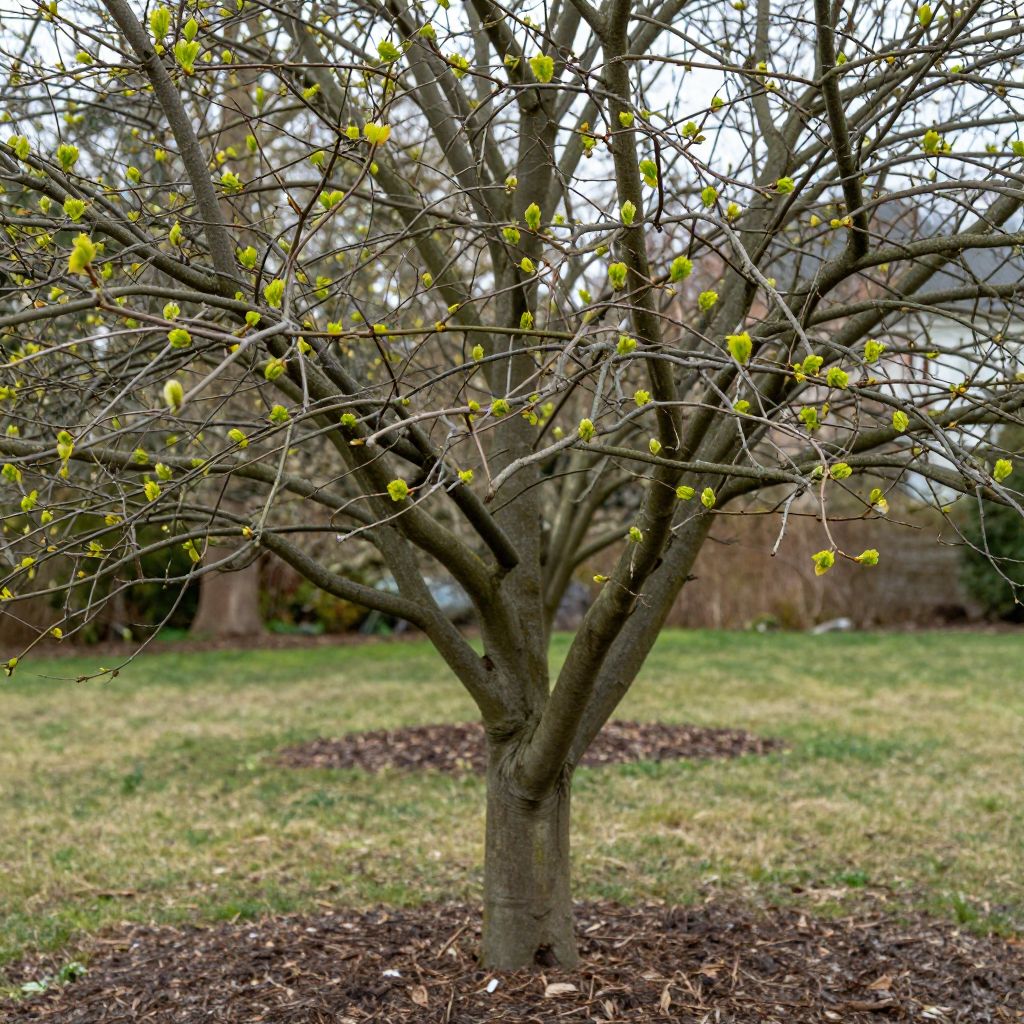
When do leaves grow back on trees? If your tree looks bare in late winter or after a dry spell, it’s natural to wonder whether it’s still alive or simply waiting for the right season.
For most deciduous trees, new leaves emerge in spring after enough warmth and daylight trigger bud break. The exact timing depends on species, local climate, winter chill, and whether the tree is healthy, stressed, or newly planted.
When do leaves grow back on trees?
Most trees that lose their leaves in autumn grow them back in spring, usually after several weeks of warming temperatures and longer days. In mild climates this may happen early, while colder regions see leaf-out later. Evergreen trees keep foliage year-round, so this question mainly applies to deciduous trees.
What controls leaf-out timing?
Leaf growth is driven by weather and the tree’s natural cycle, not by the calendar alone. A tree will usually wait until it has received enough winter chill, then respond to spring warmth by swelling buds and pushing out new leaves.
Key factors that affect when leaves return
- Tree species: Maples, oaks, birches, fruit trees, and many ornamentals leaf out at different times.
- Local climate: Warmer areas often see earlier bud break than cooler inland or northern sites.
- Microclimate: Trees near walls, pavement, or sheltered courtyards may leaf out sooner than exposed trees.
- Tree health: Drought, root damage, pests, or disease can delay leaf emergence.
- Age and establishment: Young or recently transplanted trees may be slower to leaf out than mature, established trees.
What to expect in spring
In many gardens, leaf buds begin swelling before any green is visible. Then you may notice tiny leaf tips, followed by a rapid flush of growth over one to three weeks. Some trees leaf out very early, while others wait until spring is well established.
Typical seasonal pattern
- Late winter: Buds remain tight and dormant.
- Early spring: Buds swell as temperatures rise.
- Mid spring: Leaves unfurl and expand.
- Late spring: Canopy fills in and growth slows after the initial flush.
If you are unsure whether your tree is on time, compare it with similar trees in your neighborhood. A tree that is still bare while others are fully leafed out may need closer inspection.
How to tell if a bare tree is normal or stressed
A bare tree in winter or very early spring is often completely normal. The concern starts when the expected leaf-out window has passed for your area and the buds still have not opened, or when leaves appear sparse, small, or discolored.
Signs of a normal dormant tree
- Buds are firm and intact.
- Twigs are flexible, not brittle.
- Bark looks sound, with no major splits or cankers.
- Nearby trees of the same type are also still dormant.
Signs of trouble
- Buds are dry, shriveled, or fall off easily.
- Branch tips are dead and snap rather than bend.
- Leaves emerge late, then wilt, scorch, or drop early.
- There are holes, sticky residue, mold, or unusual spotting on buds and young leaves.
What to do if your tree is late leafing out
Do not rush to prune, fertilize heavily, or dig around the roots. First, check whether the tree is simply slower than others in your area. Many trees, especially oaks and some fruit trees, leaf out later than early spring bloomers.
Simple troubleshooting steps
- Scratch-test a small twig: Gently scrape a thin bit of bark. Green tissue underneath usually indicates living wood.
- Inspect the buds: Healthy buds should look plump, not dry and papery.
- Check soil moisture: Soil should be evenly moist, not waterlogged or bone dry.
- Look for pests or disease: Inspect stems, bud scales, and the trunk for damage.
- Compare timing locally: Ask whether similar trees in your neighborhood have leafed out yet.
If the tree is newly planted, allow extra time. Transplanted trees often focus on root establishment before producing a full canopy, especially if planting conditions were less than ideal.
How to support healthy leaf growth
Healthy leaf-out depends on steady care before and during spring. The goal is to reduce stress so the tree can push buds and expand new foliage without interruption.
Watering
Water deeply during dry spells, especially for young trees and recently planted trees. A slow soak at the root zone is better than frequent shallow watering, because roots need moisture deeper in the soil profile.
- Keep soil evenly moist, not saturated.
- Check moisture a few inches below the surface before watering.
- Use mulch to help hold moisture and moderate soil temperature.
Mulching
A 2 to 4 inch layer of organic mulch, such as shredded bark or wood chips, can help roots stay cooler and more evenly moist. Keep mulch a few inches away from the trunk so the bark does not stay wet.
Soil and drainage
Most trees prefer well-drained soil. If water pools after rain or the root area stays soggy, roots can struggle and leaf-out may be delayed. In compacted soil, improve conditions gradually with mulch and careful watering rather than deep digging near roots.
Sunlight
Deciduous trees generally need full sun to partial shade, depending on species. Trees in too much shade may produce fewer leaves and weaker growth, while trees in very hot, exposed sites may leaf out but suffer scorch later if water is limited.
Pruning and fertilizing: what to avoid
One of the most common mistakes is treating a late-leafing tree as if it needs a quick fix. Heavy pruning, strong fertilizer, or aggressive root disturbance can make stress worse rather than better.
Better timing for pruning
- Prune dead, damaged, or crossing branches when the tree is dormant or according to the needs of the species.
- Avoid major pruning right before or during bud break unless there is a safety issue.
- Remove only clearly dead wood if you are unsure how the tree will respond.
Fertilizer caution
Do not assume yellowing or delayed leaves mean the tree needs a lot of fertilizer. Excess nitrogen can push weak, soft growth and may stress roots. If you suspect a nutrient issue, a soil test is the most reliable next step.
Common pests and diseases that affect leaf growth
Some problems show up first as delayed bud break, distorted leaves, or sparse canopy growth. Early inspection is useful because many issues are easier to manage before the tree is fully in leaf.
Examples of problems to watch for
- Aphids or scale insects: Can weaken new growth and leave sticky honeydew.
- Leaf miners: Create tunnels or blotches in young leaves.
- Fungal leaf diseases: May cause spotting, curling, or premature drop after leaf-out.
- Winter injury: Cold snaps can damage buds, especially on tender species or exposed sites.
- Root stress: Compacted, flooded, or droughty soil can reduce the tree’s ability to leaf out fully.
If you notice repeated problems year after year, identify the tree species and inspect both the canopy and the root zone. A local arborist or extension service can help confirm whether the issue is environmental, pest-related, or disease-related.
Do evergreen trees grow back leaves?
Evergreens do not usually drop all their foliage at once. They replace leaves or needles gradually, so you may see new growth in spring without a dramatic bare period. If an evergreen suddenly loses a lot of foliage, that is more likely a stress sign than normal seasonal behavior.
What to look for on evergreens
- Fresh light-green tips or new candles on pines.
- New flushes of growth on hollies, camellias, and similar broadleaf evergreens.
- Needles or leaves dropping from the inside of the plant while outer growth remains healthy.
How climate changes the answer
The question “when do leaves grow back on trees” has a different answer depending on where you live. In mild regions, leaf-out may begin very early in the year, while in colder climates it may not start until well into spring. Altitude, coastal influence, and late frosts all matter.
Watch the tree, not just the date on the calendar. If buds are swelling and nearby trees are waking up, your tree may be right on schedule even if it still looks bare.
Quick checklist for healthy spring leaf-out
- Wait for normal seasonal warmth before worrying.
- Check buds for plumpness and life.
- Water deeply during dry periods.
- Mulch the root zone, but keep mulch off the trunk.
- Avoid heavy pruning or overfertilizing.
- Inspect for pests, disease, and winter damage.
- Seek help if the tree stays bare well past the normal leaf-out window for your area.
Conclusion
Leaves usually grow back on deciduous trees in spring, once warmth and daylight trigger bud break. If your tree is late, start by checking buds, soil moisture, and local timing before making major changes. For more seasonal tree care, you may also want to read about spring pruning basics and how to mulch trees correctly.