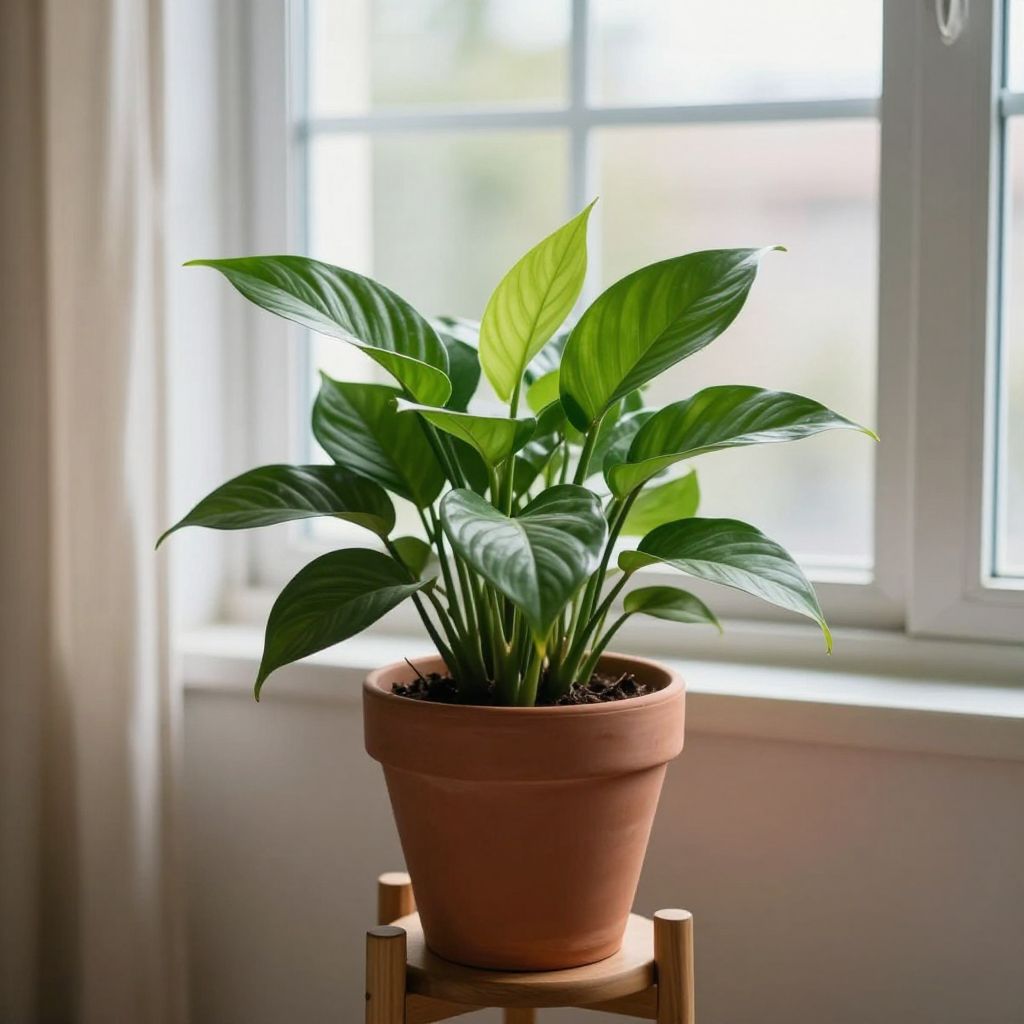
What is indirect light for plants, and how do you know if your plant is getting it? This is one of the most common indoor gardening questions, because “bright” light can mean very different things depending on where you stand in a room.
Indirect light is light that reaches a plant without direct sunbeams hitting the leaves. It is often the best condition for many houseplants, especially those that scorch in strong sun, but the exact amount can range from soft shade to bright, filtered light.
What Is Indirect Light For Plants?
Indirect light for plants is sunlight that is bright enough to illuminate a space but not so intense that the sun hits the foliage directly for long periods. A plant in indirect light may be near a window, behind a sheer curtain, or several feet back from a bright window, depending on the direction and strength of the sun.
How to Tell If a Spot Has Indirect Light
The easiest way to judge indirect light is to look at the shadows and the feel of the light in the room. If you can read comfortably without turning on a lamp and the sun is not shining directly onto the leaves, the spot is likely indirect light.
Simple ways to check light levels
- Look for shadows: In bright indirect light, shadows are visible but soft.
- Check the sunbeam: If a sharp beam lands on the plant for hours, that is direct light, not indirect light.
- Use your hand: Hold your hand between the window and the plant. A crisp shadow usually means stronger light; a faint shadow suggests gentler light.
- Watch the plant over time: Light changes by season, weather, and time of day.
Bright indirect light vs. low indirect light
Not all indirect light is the same. A plant near an east-facing window often gets bright morning light, while a plant several feet from a south- or west-facing window may receive lower indirect light.
- Bright indirect light: Near a bright window with filtered sun, or a few feet back from a sunny window.
- Medium indirect light: A well-lit room away from direct rays, often suitable for many foliage plants.
- Low indirect light: A dimmer spot farther from windows, where the plant still gets daylight but not much intensity.
Which Plants Prefer Indirect Light?
Many popular houseplants grow best in indirect light because their leaves evolved under tree canopies or dappled shade. These plants often do poorly in harsh direct sun, especially indoors where glass can intensify heat and light.
Common plants that often like indirect light
- Pothos (Epipremnum aureum)
- Heartleaf philodendron (Philodendron hederaceum)
- Snake plant (Dracaena trifasciata)
- Peace lily (Spathiphyllum spp.)
- ZZ plant (Zamioculcas zamiifolia)
- Spider plant (Chlorophytum comosum)
- Many ferns and calatheas
Even plants labeled “low light” usually grow better in bright indirect light than in a dark corner. “Low light” often means the plant can survive there, not that it will thrive.
How to Place Plants in the Right Light
Start by matching the plant to the window and then adjust based on how it responds. Window direction, season, curtains, trees outside, and room layout all affect how much indirect light the plant actually gets.
Window direction matters
- East-facing windows: Often provide gentle morning sun and bright indirect light for much of the day.
- South-facing windows: Usually the brightest; plants may need to be set back or filtered with a sheer curtain.
- West-facing windows: Can bring strong afternoon sun and heat, so watch for leaf scorch.
- North-facing windows: Usually provide softer light, which may be indirect but not always bright enough for high-light plants.
Distance from the window
Distance changes light intensity quickly. A plant right beside a bright window may get much stronger light than one just 3 to 6 feet away.
- Move plants closer if leaves are stretching, pale, or growth is slow.
- Move plants back or filter the light if leaves bleach, curl, or burn.
- Rotate pots every week or two so growth stays even.
Signs Your Plant Is Getting the Wrong Amount of Light
Plants usually tell you when the light is off. The key is to read the symptoms carefully, because poor growth can also come from watering, soil, or root problems.
Too much direct light
- Brown or crispy patches on leaves
- Bleached, faded, or washed-out foliage
- Leaves curling or drooping in hot windows
- Soil drying very quickly
Too little light
- Long, leggy stems with wide gaps between leaves
- Smaller new leaves
- Slow growth during the active season
- Leaves dropping from the lower part of the plant
If a plant is in the wrong light, do not rush to fertilize it. Fix the light first, then adjust watering and feeding after you see new growth.
How to Create Indirect Light Indoors
You can improve a room’s light without changing the whole setup. Small adjustments often make a big difference, especially for apartments, offices, and rooms with limited windows.
Easy ways to soften strong sun
- Hang a sheer curtain over a bright window.
- Move the plant a few feet away from the glass.
- Place the plant behind another taller plant that filters the light.
- Use a light-colored wall to reflect brightness into the room.
- Clean dusty windows so more usable light reaches the plant.
When to use grow lights
If your space stays dim for most of the day, indirect natural light may not be enough. A grow light can help, especially in winter or in rooms with few windows. Keep the light at the proper distance for the bulb type, and avoid leaving leaves pressed against a hot fixture.
Indirect Light Outdoors: Shade, Dappled Light, and Shelter
Outdoors, indirect light usually means shade, filtered sun, or dappled light under trees or structures. This is different from deep shade, which may be too dark for many plants, and different from full sun, which is direct exposure for most of the day.
Outdoor examples of indirect light
- Under a tree canopy where sunlight moves through leaves
- Beside a fence or wall that blocks the harshest sun
- On a patio with a pergola or shade cloth
- In morning sun and afternoon shade
Outdoor plants still need enough light for their species. A shade-loving fern and a flowering annual will not have the same needs, so always match the plant to the site.
Watering and Soil in Indirect Light
Light affects how quickly soil dries. Plants in brighter indirect light usually use water faster than plants in lower light, but drainage and pot size matter just as much.
Practical watering guidance
- Check the top inch or two of soil before watering most houseplants.
- Water thoroughly until excess drains from the bottom, then empty saucers.
- Let the soil dry more between waterings for plants that prefer it, such as snake plant and ZZ plant.
- Use pots with drainage holes to reduce root rot risk.
A common mistake is treating all indirect-light plants the same. A peace lily may want more consistent moisture than a pothos, while a succulent in indirect light may still need very infrequent watering.
Soil mix considerations
Good drainage is important because indirect light does not automatically prevent overwatering. Use a potting mix suited to the plant: airy, well-draining mixes for aroids and succulents, and moisture-retentive but not soggy mixes for plants that prefer steadier moisture.
Pruning, Cleaning, and General Maintenance
Plants in indirect light often grow more slowly than those in stronger light, so maintenance should be gentle and regular. Clean leaves can capture more available light, which is especially helpful in dimmer rooms.
- Wipe dust from broad leaves with a damp cloth.
- Remove yellow or damaged leaves so the plant can focus on healthy growth.
- Pinch or prune leggy stems to encourage fuller growth when appropriate for the species.
- Rotate the pot to prevent leaning toward the window.
Common Pests and Problems in Indirect Light
Indirect light does not prevent pests, but stressed plants are more vulnerable. Low light combined with overwatering can also invite fungus gnats, root rot, and weak growth.
Watch for these issues
- Fungus gnats: Often appear when potting mix stays too wet.
- Spider mites: More common on dry indoor plants with dusty leaves.
- Mealybugs and scale: Can hide along stems and leaf joints.
- Root rot: Caused by poor drainage and frequent watering.
If you see pests, isolate the plant first. Then inspect stems, undersides of leaves, and the soil surface before choosing a treatment.
How to Troubleshoot a Plant That “Should” Like Indirect Light
If a plant is labeled for indirect light but still looks unhappy, the problem may be that the light is too weak, too hot, or inconsistent. Start by observing the plant for a full week before making more changes.
Use this troubleshooting checklist
- Check whether the plant gets direct sun at any time of day.
- Notice whether the room is bright all day or only for a few hours.
- Inspect the soil for sogginess or extreme dryness.
- Look for pests, dust, or root crowding.
- Move the plant gradually to a better spot and watch for new growth.
Remember that old leaves may not recover. The best sign of improvement is healthy new growth after you adjust the light.
Key Mistakes to Avoid
- Assuming any spot away from the window counts as indirect light.
- Placing a plant in harsh afternoon sun and calling it “bright light.”
- Overwatering because the plant is indoors and not drying as fast as expected.
- Ignoring seasonal changes that make winter light weaker and summer light stronger.
- Choosing a plant for the room instead of matching the room to the plant.
Conclusion: Use the Plant’s Response as Your Guide
What is indirect light for plants? It is bright, filtered, or reflected light that does not shine directly on the leaves for long periods. The best way to use it is to observe shadows, window direction, and your plant’s growth, then adjust placement, watering, and drainage as needed.
If you want to improve your indoor garden, start by moving one plant to a brighter or softer spot and watch how the new leaves respond over the next few weeks. For more practical houseplant care, you may also want to read about how to tell if a plant needs more light and choosing the right potting mix for houseplants.