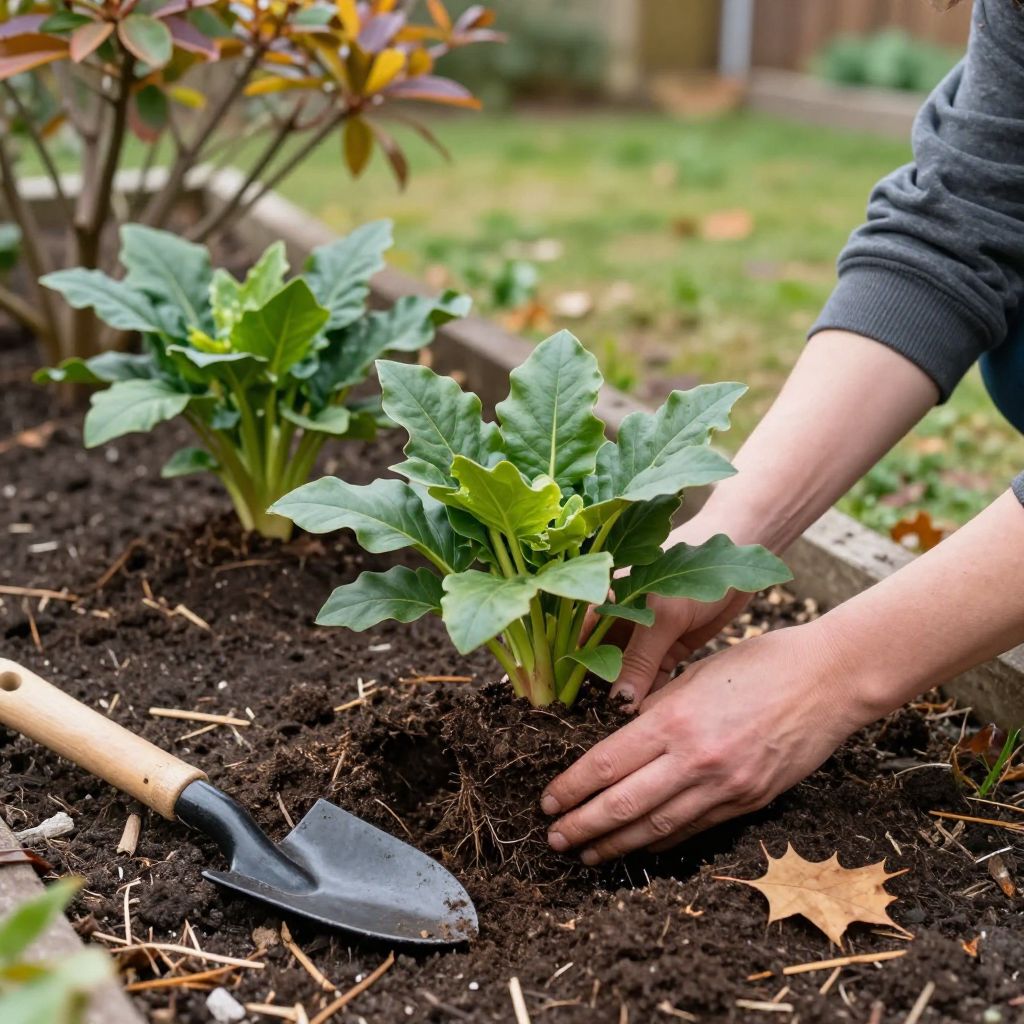
Wondering when to plant hellebores so they settle in well and bloom reliably? The best time is usually in early autumn or early spring, when temperatures are mild and the soil is workable. That gives roots time to establish before summer heat or winter cold slows growth.
Hellebores are tough, long-lived perennials, but they establish best when you match planting time to your climate and your plant’s form. Bare-root plants, potted nursery plants, and divisions all do best with careful handling, good drainage, and a sheltered site.
When To Plant Hellebores?
The best time to plant hellebores is in early autumn or early spring, when the weather is cool and moist. In mild climates, autumn planting is often ideal because roots can grow through winter. In colder regions, spring planting is safer if the ground freezes hard.
Why planting time matters for hellebores
Hellebores dislike being rushed into hot, dry soil. Planting at the right time reduces transplant stress and helps them form a strong root system before flowering or summer dormancy.
These perennials can live for many years, so the first season is important. A well-timed planting often means better flowering, sturdier foliage, and less watering after establishment.
Best seasons by plant type
- Potted nursery hellebores: Plant in autumn or spring whenever the soil is workable and not waterlogged.
- Bare-root hellebores: Plant in autumn or very early spring, while plants are dormant or just waking up.
- Divisions: Divide and replant only when necessary, usually after flowering or in early autumn, because hellebores resent disturbance.
How to choose the right planting window
Use your local climate as the guide. The goal is to avoid extreme heat, frozen ground, and prolonged drought right after planting.
Autumn planting
Autumn is often the best overall planting season for hellebores. Soil is still warm enough for roots to grow, while cooler air reduces stress on the plant.
If you plant in autumn, aim for a period when the soil is moist but not soggy. In many gardens, that means several weeks before the ground freezes.
Spring planting
Spring works well where winters are severe or where autumn is too wet to dig. Plant as soon as the soil can be worked, before hot weather arrives.
Spring-planted hellebores may need more attention during their first summer, especially in sunny or windy sites.
Summer planting
Summer is not ideal, but it can be done if you buy a container-grown plant and can water consistently. Choose a cool spell, plant in the evening if possible, and mulch well.
Expect extra care during hot weather. Newly planted hellebores can struggle if the root ball dries out even once.
Where to plant hellebores for the best growth
Hellebores prefer partial shade to dappled shade, especially in warmer climates. They can tolerate more sun in cool regions, but afternoon shade is usually helpful.
They grow best in rich, well-drained soil that stays evenly moist but never waterlogged. A sheltered position near shrubs, deciduous trees, or a north- or east-facing border often suits them well.
Ideal soil conditions
- Humus-rich and fertile
- Moist but free-draining
- Neutral to slightly alkaline soil is often suitable, though many hellebores adapt to a range of soils
- Not compacted or heavy with standing water
What to avoid
- Deep shade with poor airflow
- Hot, reflected afternoon sun
- Sites that stay wet in winter
- Very dry borders without irrigation
How to plant hellebores step by step
Planting hellebores is straightforward, but careful handling matters. Their roots do not like repeated disturbance, so prepare the site well before you start.
- Water the plant in its pot before planting, or soak bare-root plants briefly if needed.
- Dig a hole slightly wider than the root ball and about as deep as the roots.
- Mix in compost if the soil is poor, but do not create a pocket of rich soil that holds water.
- Set the plant so the crown sits at soil level. Do not bury the crown deeply.
- Backfill gently, firm the soil lightly, and water thoroughly.
- Mulch around the plant with leaf mold, compost, or fine bark, keeping mulch away from the crown.
Spacing
Allow enough room for mature growth. Many hellebores spread into clumps about 30 to 60 cm across, sometimes more depending on the species or cultivar. Give them space for airflow and future growth.
Watering after planting
Newly planted hellebores need regular moisture while they establish, but they should never sit in water. The safest approach is to water deeply when the top layer of soil begins to dry.
During the first growing season, check soil moisture often. In cool weather, this may mean watering less frequently than in warm, windy conditions. Once established, hellebores are fairly drought tolerant, though they perform best with steady moisture.
Common watering mistakes
- Letting the root ball dry out completely after planting
- Overwatering heavy soil that drains poorly
- Watering lightly and often instead of soaking deeply
- Spraying foliage unnecessarily in damp weather
Mulching and feeding hellebores
Mulch helps conserve moisture, suppress weeds, and improve soil over time. A 5 to 7 cm layer of organic mulch is usually enough, but keep it a few centimeters away from the crown to prevent rot.
Hellebores are not heavy feeders. A top-dressing of compost in spring or autumn is often enough in fertile soil. If growth is weak or flowering is poor, check drainage and light levels before adding more fertilizer.
When to feed
- After planting, if the soil is poor, use compost rather than strong fertilizer.
- In established beds, refresh mulch in spring or autumn.
- Avoid overfeeding, which can lead to lush foliage but fewer flowers.
Pruning and cleanup
Hellebores usually need little pruning, but old or damaged leaves can be removed to improve appearance and reduce disease pressure. In late winter or early spring, many gardeners cut away tattered foliage before new flowers open.
Use clean, sharp pruners and remove only the worst leaves. If you cut too much at once, the plant may look sparse, but it will usually recover as new growth appears.
Best cleanup timing
- Remove damaged leaves in late winter or early spring
- Cut back spent flower stems after seed has formed, if you do not want self-seeding
- Leave healthy foliage in place if it is protecting the crown in a harsh site
Common problems after planting
Most hellebore problems after planting come from poor drainage, too much sun, or transplant shock. Catching these early makes a big difference.
Yellowing leaves
Yellowing can happen if the soil stays too wet, the plant is stressed, or older leaves are naturally aging. Check drainage first. If the site is soggy, improve the soil or move the plant in the dormant season.
Wilting
Wilting in newly planted hellebores often means the roots are too dry or the plant is suffering from heat. Water deeply and add mulch, then provide temporary shade if the weather is hot.
Poor flowering
Too much shade, excessive nitrogen, or planting too deeply can reduce bloom. Hellebores need enough light to flower well, especially in cooler climates.
Pests and diseases
- Aphids: Can cluster on buds and new growth; wash off with water or remove affected stems if needed.
- Slugs and snails: May chew young leaves, especially in damp gardens.
- Black spot or leaf spotting: Often worsened by crowded, damp conditions; remove affected foliage and improve airflow.
- Crown rot: Usually linked to poor drainage or deep planting.
Propagating hellebores
Hellebores are usually propagated by seed or division, but both methods need patience. Seed-grown plants may not come true to named varieties, and divisions can resent disturbance.
Seed propagation
Let seed pods ripen if you want to collect seed. Sow fresh seed in pots or a prepared seed bed, and expect germination to be slow and uneven. Many hellebore seedlings take time to mature before flowering.
Division
Divide only when necessary, because established clumps can be slow to reestablish. The best time is usually after flowering or in early autumn, when the plant can recover in cool conditions.
How to handle hellebores in containers
Container-grown hellebores can be planted out almost any time of year if the weather is mild, but autumn and spring are still best. Make sure the pot has excellent drainage and use a quality, moisture-retentive but free-draining potting mix.
Keep container plants evenly moist and protect them from severe heat. If the plant is root-bound, loosen the roots gently before planting out.
Quick checklist for planting success
- Choose a cool planting window in autumn or spring
- Pick partial shade and well-drained soil
- Plant at the same depth the hellebore was growing before
- Water deeply after planting and during dry spells
- Mulch lightly, but keep mulch off the crown
- Watch for soggy soil, especially in winter
Conclusion
If you are asking when to plant hellebores, the simplest answer is: plant them in early autumn or early spring, depending on your climate and soil conditions. Give them shade, drainage, and steady moisture, and they should settle in well and reward you for years.
For more garden planning ideas, you may also want to read about choosing the best shade perennials and how to improve clay soil for better drainage.