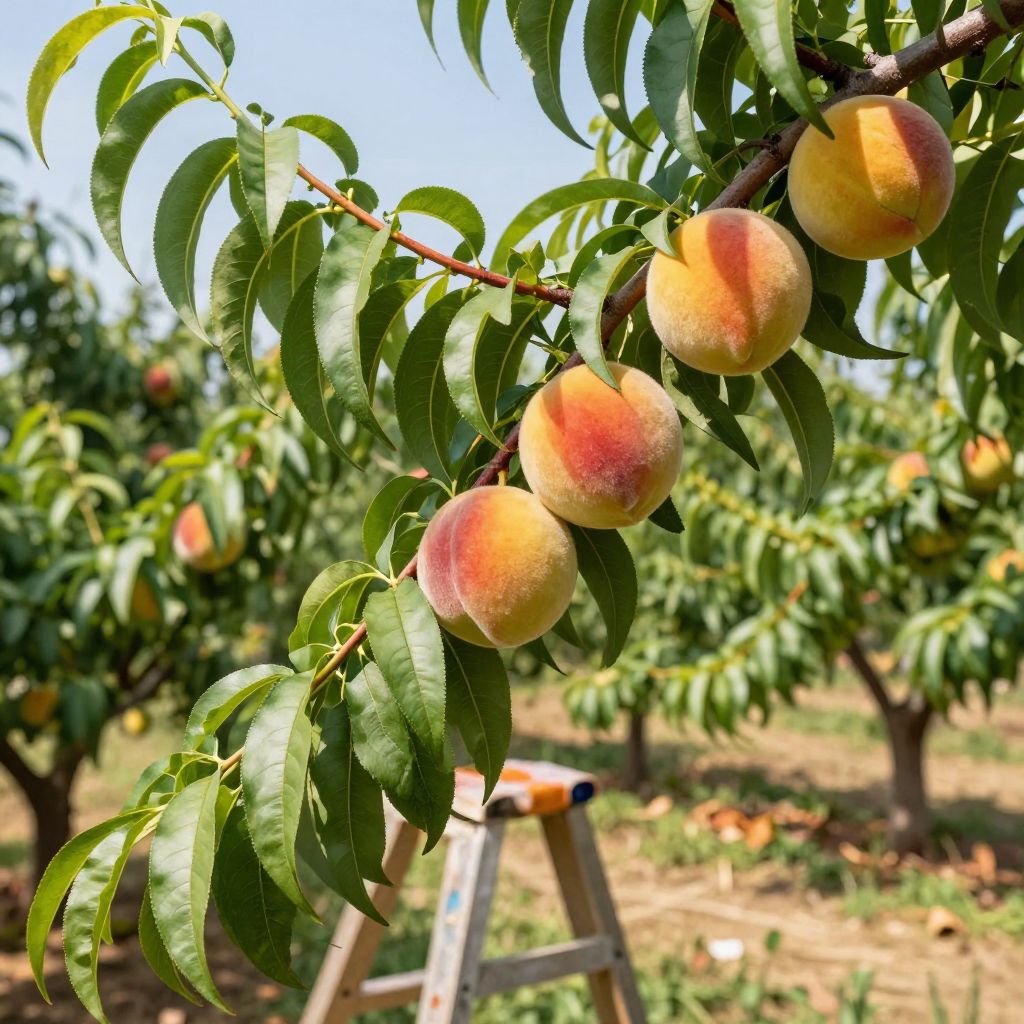
When is peach season in Texas? If you grow peaches or want the freshest local fruit, timing matters because Texas spans several climates and peach harvest can start early in the south and run later in the north. The season is shaped by winter chill, spring weather, variety, and local growing conditions.
For home gardeners, peach season is also a reminder that healthy trees need the right care long before harvest. Good pruning, full sun, drainage, and pest management all affect whether your tree sets fruit on time and ripens it well.
When is peach season in Texas?
In Texas, peach season usually runs from late May through August, with the earliest peaches often ripening in South Texas and the Hill Country first, then moving north as the season progresses. Exact timing varies by variety, spring temperatures, and local weather, so some years start earlier or end later.
What affects peach harvest timing in Texas?
Peach ripening is not the same across the state. Texas has wide climate differences, and peach trees respond to local heat, winter chill, and spring frost risk.
Regional timing differences
- South Texas: Often the earliest fruit, sometimes beginning in late spring.
- Central Texas and the Hill Country: A major peach-growing area, with peak harvest commonly in early to mid-summer.
- North Texas: Harvest often starts later and can extend into midsummer.
- West Texas: Timing depends heavily on elevation, frost, and irrigation access.
Weather can shift the season
A warm spring can push peaches to ripen earlier. A late frost, cool spring, hail, or heavy rain can delay harvest or reduce fruit quality.
Tip: Don’t rely only on the calendar. Watch the fruit itself. Peaches are ready when they soften slightly, develop full color for the variety, and separate from the stem with a gentle lift.
How do you know when peaches are ready to pick?
Peaches do not always ripen evenly on the tree, and they are best harvested at the right stage. Pick too early and they may stay hard and bland; pick too late and they bruise or drop.
Signs a peach is ready
- The background color changes from green to yellow, cream, or golden tones depending on the variety.
- The fruit gives slightly when pressed near the shoulder, not the soft tip.
- The peach has a strong, sweet aroma.
- The fruit lifts off the branch with a gentle twist.
- The flesh has developed full flavor, not just surface color.
What not to use as your only guide
- Size alone: Some peaches are naturally smaller than others.
- Red blush: Many varieties blush early, before they are ripe.
- Calendar dates alone: Weather can move harvest by days or weeks.
If you are unsure, harvest one fruit and taste it. Texture and flavor are the best indicators for home gardeners.
Growing peaches successfully in Texas
Healthy peach trees are the foundation of a good season. Texas gardeners need to match the tree to the site and provide consistent care through the year.
Sun, soil, and drainage
Peach trees need full sun, ideally 8 or more hours a day, to flower and ripen fruit well. They also need soil that drains well, because peaches dislike wet feet and are prone to root problems in poorly drained ground.
- Choose a site with good air movement to help leaves dry after rain.
- Avoid low spots where cold air settles and frost damage is more likely.
- Improve heavy soil with compost, but do not create a planting hole that holds water like a basin.
Planting basics
Plant bare-root or container-grown peaches during the cool season when available locally, but follow nursery guidance for your area. In Texas, timing often depends on region and plant type.
- Dig a wide hole, but not excessively deep.
- Set the tree at the same depth it grew in the nursery.
- Backfill with native soil unless a soil test or drainage issue suggests a specific amendment strategy.
- Water deeply after planting to settle the soil.
- Mulch lightly, keeping mulch several inches away from the trunk.
Important: Do not bury the graft union. It should remain above the soil line.
Watering and feeding during the growing season
Peaches need steady moisture to size fruit, but overwatering can cause root stress and disease. The goal is even soil moisture, not soggy soil.
Watering guidance
- Water deeply when the top several inches of soil begin to dry.
- Young trees need more frequent attention than established trees.
- Adjust for rainfall, heat, wind, and soil type.
- Use mulch to slow evaporation and moderate soil temperature.
In Texas heat, sandy soil may dry quickly, while clay soil may hold water longer. Check soil with your finger or a small trowel before watering again.
Fertilizing with care
Peach trees benefit from balanced nutrition, but too much nitrogen can create leafy growth at the expense of fruit and can increase pest and disease pressure. A soil test is the best starting point if you are unsure what your tree needs.
- Use compost as a gentle soil builder around established trees.
- Avoid heavy late-season nitrogen that can push tender growth before cold weather.
- Watch leaf color and growth rate rather than guessing.
Pruning peaches for better fruit
Pruning is one of the most important jobs for peach trees in Texas. It helps light reach the fruit, improves air circulation, and supports strong wood that can carry a crop.
When to prune
Most peach pruning is done during the dormant season, before spring growth begins. Summer pruning can also be useful to remove vigorous shoots and improve light penetration, but avoid overdoing it.
What to remove
- Dead, damaged, or diseased wood
- Branches that cross or rub
- Strong upright shoots that shade the center
- Weak growth low on the trunk
Peaches fruit on one-year-old wood, so regular pruning encourages new fruiting shoots. If you skip pruning for several years, the tree can become crowded and less productive.
Common pests and diseases in Texas peach trees
Texas peach trees can face several pests and diseases, especially during warm, humid, or rainy periods. Good sanitation and timed care are often more effective than waiting until damage is severe.
Common pest issues
- Peach tree borers: Can damage trunks and lower limbs.
- Aphids: May curl young leaves and weaken new growth.
- Stink bugs and other fruit feeders: Can cause deformities or corky spots.
- Scale insects: May weaken trees over time if populations build up.
Common disease issues
- Peach leaf curl: Often shows up as distorted, reddened leaves in spring.
- Brown rot: Can affect blossoms and ripening fruit, especially in wet weather.
- Bacterial spot: May cause leaf and fruit blemishes.
To reduce problems, keep the area under the tree clean, remove fallen fruit, prune for airflow, and avoid wetting foliage when possible. If disease pressure is recurring, choose varieties and care practices suited to your local Texas conditions.
Thinning fruit for better size and quality
Many home gardeners are surprised that removing some young peaches helps the remaining ones grow better. Thinning reduces branch stress and improves fruit size and color.
How to thin
- Wait until the fruit is set and the tiny peaches are visible.
- Remove damaged, crowded, or misshapen fruit first.
- Leave enough space between peaches for them to expand without touching.
- Use hand thinning rather than pulling hard on branches.
Thinning is especially helpful after a heavy bloom or when the tree sets more fruit than it can support. If you leave too many peaches, they may stay small and the limbs may break.
Harvesting and handling Texas peaches
Once peaches are ready, handle them gently. Ripe fruit bruises easily, and a few rough picks can shorten storage life.
Best harvest practices
- Pick in the cool part of the day if possible.
- Support the fruit in your hand and lift gently.
- Place peaches in shallow containers, not deep buckets.
- Keep damaged fruit separate and use it first.
If you want firmer peaches for a few days of storage, harvest when they are mature but still slightly firm. Let them finish ripening at room temperature out of direct sun.
Can you grow peaches in containers in Texas?
Yes, but container peaches need more attention than in-ground trees. Heat, drying wind, and root restriction can make watering and nutrition more challenging.
Container care basics
- Use a large container with excellent drainage holes.
- Choose a high-quality potting mix, not garden soil.
- Water more often during hot weather, checking moisture frequently.
- Protect the pot from extreme heat that can overheat roots.
Container trees still need pruning, sunlight, and pest monitoring. They can be a good option if your native soil drains poorly or if you have limited space.
Common mistakes to avoid
- Planting in shade or partial shade
- Overwatering in clay soil
- Skipping dormant pruning
- Leaving too much fruit on the tree
- Ignoring fallen fruit and diseased leaves
- Expecting the same harvest date every year
Most peach problems in Texas come from site issues, inconsistent care, or weather swings rather than one single mistake. The good news is that careful pruning, drainage, and timely harvests make a big difference.
Conclusion
When is peach season in Texas? In most years, it runs from late spring into summer, with harvest timing shifting by region and weather. If you grow peaches, focus on full sun, good drainage, regular pruning, and close attention to ripeness so you can pick fruit at its best.
For more helpful fruit-growing guidance, you may also want to read about pruning fruit trees for better harvests and choosing the best soil and mulch for home orchards.