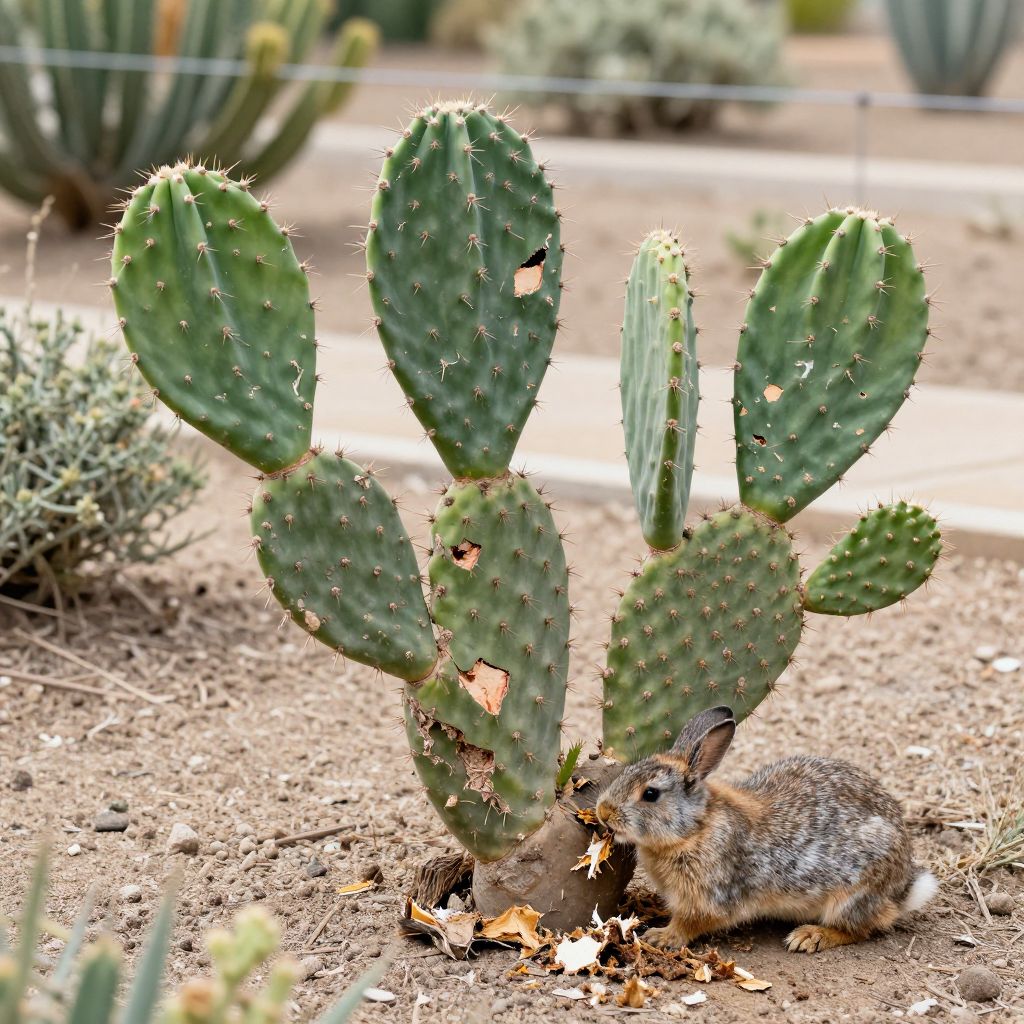
What eats a cactus? If your cactus has holes, ragged edges, or missing pads, the culprit may be an animal, an insect, or even a person’s pet or foot traffic. The damage can look dramatic, but the fix depends on identifying who is feeding and whether the plant is indoors or outdoors.
Most cacti are tough, but they are not immune. Once you know the likely pest or animal, you can protect the plant, stop new damage, and help it recover with the right care.
What eats a cactus?
Cactus damage is usually caused by rodents, rabbits, deer, birds, insects, slugs, or sometimes pets and accidental breakage. Outdoors, nibbling animals are most common; indoors, mealybugs, scale, and rot-related damage are more likely. The pattern of damage tells you a lot, so inspect the plant closely before treating it.
How to tell what is eating your cactus
The shape of the damage is your best clue. Look at the edges, the base of the plant, nearby soil, and any tracks or droppings around it.
Common damage patterns
- Large chunks missing or pads torn off: often rabbits, deer, dogs, or rodents.
- Small, repeated bites on edges: usually rodents or rabbits.
- Scraped skin or flattened stems: may be pets, foot traffic, or hail, not feeding.
- Small holes or corky spots: can be insect feeding or old wound tissue.
- Soft, collapsing areas: more likely rot than an animal problem.
Check for evidence nearby
- Droppings, tracks, or burrows
- Chewed nearby plants
- Bird peck marks or nesting activity
- Sticky residue, cottony clusters, or scale bumps on indoor cacti
- Wet soil, poor drainage, or a sour smell, which point to rot
Animals that commonly eat or damage cactus
Rodents
Mice, rats, ground squirrels, and gophers may gnaw cactus tissue, especially when water is scarce. They often feed at night and may leave irregular bite marks near the base or on softer new growth.
If gophers are active, the plant may suddenly lean, collapse, or lift from the soil because roots have been eaten. In that case, you may need to inspect the root zone and improve physical barriers.
Rabbits
Rabbits usually nibble tender cactus growth, especially young pads or soft tips. They can reach lower parts of the plant and may leave a clean, clipped look rather than ragged tearing.
Deer
Deer are less likely to eat very spiny cacti, but they will browse softer species or damage plants while trying to reach nearby vegetation. They can also knock over containers or crush smaller cacti.
Birds
Birds may peck at cactus fruit, flowers, or soft tissue. Sometimes the damage is accidental, especially if birds are searching for insects or nesting material.
Pets and livestock
Dogs, cats, chickens, goats, and other animals can step on, chew, or rub against cacti. Even if they do not eat the plant, they can cause serious injury and break stems or pads.
Insects and pests that damage cacti
Insects rarely “eat” a cactus the way mammals do, but they can weaken it, scar it, and create wounds that look like feeding damage. Indoor cacti are especially vulnerable because pests spread quickly in dry, protected spaces.
Mealybugs
Mealybugs cluster in crevices and at the base of spines, sucking sap and leaving white cottony residue. Heavy infestations can cause yellowing, shriveling, and stunted growth.
Scale insects
Scale appears as small brown, tan, or gray bumps on stems. They are easy to miss at first and can make the cactus look dull, weak, or sticky from honeydew.
Spider mites
Spider mites are tiny and often show up in hot, dry conditions. They cause fine stippling, bronzing, and a dusty look, especially on indoor plants or greenhouse cacti.
Slugs and snails
These pests can chew tender cactus tissue at night, especially on young plants, seedlings, or species with thinner skin. They leave irregular holes and shiny slime trails.
Cactus-specific pests
Depending on your region, you may also see cochineal insects on prickly pear, cactus borers, or other local pests. Check with your local extension service if the damage pattern is unfamiliar.
How to protect cacti from animals
Prevention works better than trying to repair repeated damage. Choose barriers, placement, and plant selection that fit your garden and the animals in your area.
Physical barriers
- Use wire mesh or hardware cloth around vulnerable plants to block rabbits and rodents.
- Install a fence tall enough for local deer pressure if deer are the problem.
- Place potted cacti on stands or shelves out of reach of pets and ground pests.
- Use raised beds with protective edging where burrowing animals are active.
Make the site less attractive
- Keep nearby weeds and dense cover trimmed so rodents have fewer hiding places.
- Remove fallen fruit, seed heads, and plant debris that attract wildlife.
- Do not place cacti next to bird feeders if birds are pecking at them.
- Group spiny plants where foot traffic is low and access is naturally limited.
Use repellents carefully
Commercial repellents can help with rabbits or deer, but they usually need reapplication after rain and may not work in every garden. Follow the label and test on a small area first if the product is meant for plants.
Important: Repellents are usually a backup, not a complete solution. If animals are hungry or the plant is easy to reach, barriers are more reliable.
How to manage insect damage on cactus
If the problem is insects, act early. Small infestations are much easier to control than severe ones that have spread into crevices or roots.
Step-by-step treatment
- Isolate the plant if it is indoors or in a greenhouse.
- Inspect all sides, including the base, joints, and undersides of pads.
- Remove visible pests with a cotton swab dipped in rubbing alcohol if appropriate for the pest and plant size.
- Rinse the plant gently if needed, then let it dry fully.
- Repeat inspections weekly until the infestation is under control.
When to prune
If a section is badly infested or damaged, remove it with a clean, sharp knife or pruners. Disinfect tools between cuts to reduce disease spread. Let wounds dry and callus before watering normally again.
What to do if an animal has already eaten part of your cactus
Do not panic. Many cacti can recover from moderate damage if the roots are healthy and the wound stays dry.
Immediate first aid
- Move the plant out of further harm.
- Remove loose, shredded tissue with clean tools.
- Check the base for rot, wobbling, or root disturbance.
- Keep water off fresh wounds for several days, longer in cool or humid weather.
- Set the plant in bright light, but protect it from intense sun if it was recently moved or exposed.
When to cut back
If a stem or pad is badly damaged, cutting back to firm, healthy tissue may be better than leaving a ragged wound. Make a clean cut and allow the surface to dry. For many cacti, a dry callus is a normal part of healing.
Soil, drainage, and watering after damage
Healthy roots help a cactus recover from chewing, bruising, or breakage. Good drainage matters more than extra fertilizer or frequent watering.
Use a fast-draining mix
Plant cacti in a gritty, well-draining medium rather than heavy garden soil. If you are growing in a container, make sure the pot has a drainage hole. A heavy, water-holding mix raises the risk of rot after damage.
Water carefully
Water only when the mix has dried enough for the species, pot size, and season. A damaged cactus is more vulnerable to rot, so avoid “helping” it with extra water. In cool or low-light conditions, the soil should stay drier for longer.
Watch for rot
Soft tissue, blackening, a sour smell, or collapsing stems usually mean rot rather than feeding damage. Remove affected tissue promptly and improve drainage and airflow.
Indoor versus outdoor cactus problems
Indoor cacti
Indoor plants are more likely to suffer from mealybugs, scale, spider mites, pets, and overwatering. Place them in bright light, away from curious animals and drafts, and inspect them regularly for hidden pests.
Outdoor cacti
Outdoor plants face wildlife, weather, and soil drainage issues. They do best in full sun or bright light appropriate to the species, with excellent drainage and enough space that animals cannot easily reach them.
Common mistakes to avoid
- Assuming every hole was caused by an animal.
- Watering heavily after damage without checking the roots.
- Using a dense potting mix that stays wet too long.
- Leaving damaged tissue on the plant where rot can start.
- Relying only on repellents when a physical barrier is needed.
- Moving a sun-loving cactus suddenly into intense direct sun after it has been stressed.
How to help a cactus recover
Recovery depends on how much healthy tissue remains. If the growing point is intact and the roots are sound, many cacti will slowly replace damaged areas or continue growing from surviving pads or stems.
- Keep the plant in stable conditions.
- Give it bright light appropriate to the species.
- Avoid overwatering while it heals.
- Remove pests quickly if they return.
- Wait for new growth before assuming the plant has failed.
When to remove the plant
If the base is completely rotten, the roots are gone, or the main stem has collapsed beyond healthy tissue, the plant may not recover. In that case, take healthy offsets or pads for propagation if the species allows it, and discard diseased material safely.
Conclusion
If you are asking what eats a cactus, the answer is usually a local animal, a sap-feeding pest, or a drainage problem that looks like feeding damage. Start by reading the damage pattern, then protect the plant with barriers, careful watering, and regular inspection. If you want to keep learning, read more about cactus growing basics and rabbit damage prevention.