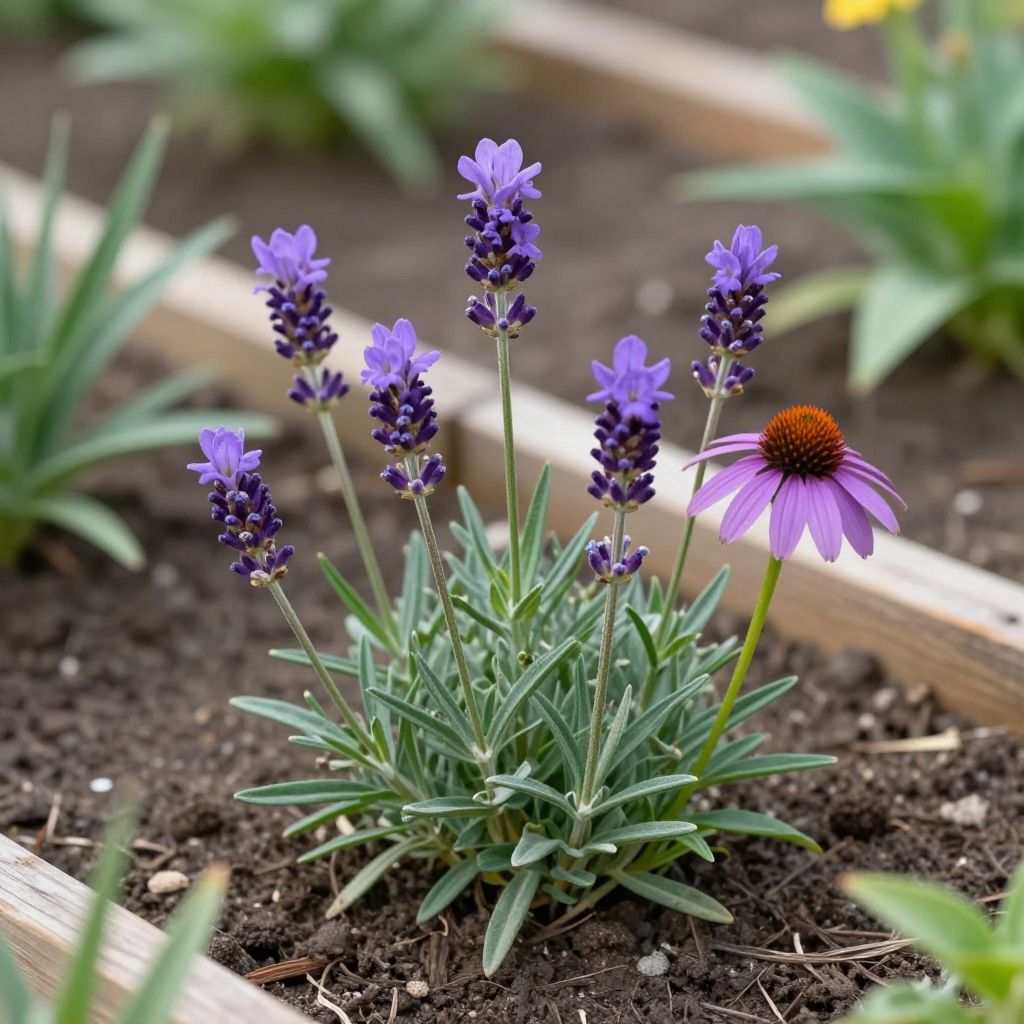
Wondering what flowers are purple and which ones will actually thrive in your garden? Purple flowers come in many forms, from easy annuals and long-blooming perennials to shrubs, bulbs, and vines, so the best choice depends on your climate, sun exposure, soil, and how much care you want to give them.
If you want reliable color, focus on plants that match your growing conditions first, then choose purple varieties for bloom time and height. A little planning goes a long way toward healthier plants, richer color, and fewer problems later.
What flowers are purple?
Many flowers can be purple, including lavender, salvia, clematis, allium, iris, petunia, pansy, verbena, aster, and coneflower. The best purple flower for your garden depends on whether you need a sun-loving annual, a shade-tolerant perennial, a spring bulb, or a flowering shrub.
Popular purple flowers to grow
Annuals for quick color
- Petunia (Petunia spp.) — reliable container and bedding color, often blooming heavily in full sun.
- Verbena (Verbena spp.) — useful for edging, baskets, and hot, sunny spots.
- Pansy and viola (Viola spp.) — cool-season flowers that often come in deep purple and purple bicolor forms.
- Lobelia (Lobelia erinus) — a smaller annual that works well in cooler weather and partial sun.
Perennials for repeat bloom
- Lavender (Lavandula spp.) — grown for purple flower spikes and fragrant foliage.
- Salvia (Salvia spp.) — many species and cultivars produce purple-blue flower spikes that attract pollinators.
- Catmint (Nepeta spp.) — a tough, low-maintenance perennial with lavender-purple blooms.
- Coneflower (Echinacea purpurea) — a prairie perennial with purple-pink petals and a long season of bloom.
- Aster (Symphyotrichum spp.) — late-season purple flowers that support bees and butterflies.
- Bearded iris (Iris spp.) — striking spring flowers in many purple shades.
Bulbs, vines, and shrubs
- Allium (Allium spp.) — globe-shaped purple blooms in late spring to early summer.
- Clematis (Clematis spp.) — climbing vines with large purple flowers, depending on the type.
- Hydrangea (Hydrangea macrophylla) — flower color can shift toward purple in acidic to slightly acidic soils.
- Rhododendron and azalea (Rhododendron spp.) — some cultivars bloom in purple or lavender tones.
How to choose the right purple flower for your garden
Start with the plant’s light needs, mature size, and bloom season. A sun-loving lavender will struggle in deep shade, while many woodland-type flowers bloom better with morning sun or filtered light. Matching the plant to your site is the easiest way to get strong purple color and healthier growth.
Check these conditions first
- Sunlight: Full sun means at least 6 hours of direct light daily. Partial sun or part shade usually means 3 to 6 hours.
- Soil drainage: Many purple flowers, especially lavender and salvia, dislike soggy soil.
- Climate: Some purple flowers bloom best in cool weather, while others need summer heat.
- Space: Give tall plants room so they do not shade shorter flowers.
- Maintenance level: Decide whether you want low-care perennials or seasonal annuals that need replacing each year.
Planting purple flowers successfully
Good planting starts with soil preparation. Most flowering plants do best in loose, well-drained soil enriched with compost, but the exact needs vary by species. Before planting, loosen compacted soil, remove weeds, and mix in organic matter if your soil is poor or heavy.
Step-by-step planting guide
- Choose a spot that matches the plant’s light needs.
- Dig a hole as deep as the root ball and about twice as wide.
- Set the plant at the same depth it was growing in the pot or nursery bed.
- Backfill with native soil unless the plant needs very specific conditions.
- Water thoroughly to settle the soil around the roots.
- Mulch lightly, keeping mulch a few inches away from stems and crowns.
Soil and compost tips
Compost improves structure, moisture retention, and nutrient availability, but more is not always better. For most garden beds, a 2- to 3-inch layer of compost worked into the topsoil is enough. For drought-tolerant purple flowers like lavender, avoid overly rich or water-holding soil that can encourage weak growth.
Watering and feeding purple flowers
Newly planted flowers need consistent moisture while roots establish, but mature plants often need less frequent watering than beginners expect. Water deeply rather than giving a light sprinkle, and let the soil surface dry slightly between waterings unless the plant prefers steady moisture.
Practical watering guidance
- Water at the base of the plant to keep foliage drier and reduce disease risk.
- Use a finger test: if the top inch or two of soil is dry, many garden flowers are ready for water.
- Container plants dry out faster than in-ground plants and may need more frequent checks.
- Reduce watering if leaves yellow and soil stays wet for long periods.
Fertilizer basics
Many purple flowers bloom best with moderate feeding, not heavy fertilizer. Too much nitrogen can produce lots of leaves and fewer flowers. If your soil is healthy, a spring top-dressing of compost or a balanced fertilizer used according to label directions is often enough for most garden plants.
Sun, shade, and bloom quality
Sun exposure affects both bloom quantity and color intensity. In general, purple flowers grown in stronger light often produce more flowers and sturdier stems, while some shade-tolerant plants may fade or stretch in too much sun. If blooms are pale or sparse, light is one of the first things to review.
General light preferences by plant type
- Full sun: lavender, salvia, coneflower, allium, petunia, verbena, many iris types.
- Part sun or part shade: some clematis, lobelia, pansy, viola, and woodland perennials.
- Filtered light: some azaleas, rhododendrons, and hydrangeas in hot climates.
Pruning, deadheading, and maintenance
Regular cleanup keeps purple flowers blooming longer and looking fresher. Deadheading, or removing spent blooms, often encourages more flowers on annuals and many perennials. Some plants also benefit from seasonal pruning to keep them compact and healthy.
What to do by plant type
- Annuals: Pinch or deadhead regularly to extend bloom.
- Lavender: Trim lightly after flowering, but avoid cutting into old woody stems with no leaves.
- Salvia and catmint: Shear lightly after a flush of bloom to encourage rebloom.
- Iris: Remove spent flower stalks and divide crowded clumps when flowering declines.
- Clematis: Pruning depends on the type, so identify the group before cutting back heavily.
Common pests and diseases
Many purple flowers are hardy, but stress from poor drainage, crowded planting, or overhead watering can invite problems. Catching issues early usually matters more than using strong treatments. Inspect leaves, stems, and buds regularly, especially in humid weather or after long rainy periods.
Common problems to watch for
- Powdery mildew: A white coating on leaves, common on some salvias, phlox, and asters in humid conditions.
- Root rot: Often caused by waterlogged soil, especially in lavender and other drought-tolerant plants.
- Aphids: Small soft-bodied insects that cluster on new growth and buds.
- Slugs and snails: A problem for tender seedlings, pansies, and some shade flowers.
- Spider mites: More likely in hot, dry conditions, especially on stressed container plants.
Simple prevention steps
- Space plants properly for air circulation.
- Water at soil level instead of wetting foliage.
- Remove dead leaves and spent flowers promptly.
- Do not overfeed with nitrogen-rich fertilizer.
- Choose disease-resistant varieties when available.
Growing purple flowers in containers
Containers are a great way to enjoy purple flowers on patios, balconies, and small spaces. Use pots with drainage holes and a quality potting mix, not garden soil, which can compact and drain poorly in containers. Match the pot size to the plant’s mature root system.
Container care essentials
- Choose a container deep enough for roots and stable enough not to tip over.
- Water more often than in-ground plantings, especially in warm weather.
- Feed lightly if the plant is in a long-term container, since nutrients wash out faster.
- Rotate pots occasionally so growth stays even toward the light.
Design ideas for using purple flowers
Purple flowers are versatile in the landscape. They can cool down hot color schemes, add depth to mixed borders, or create a calm, elegant planting with silver, white, blue, or pink companions. They also pair well with plants that have chartreuse, gray, or dark foliage.
Easy combinations to try
- Purple salvia with white daisies and ornamental grasses.
- Lavender with rosemary, thyme, or other drought-tolerant herbs.
- Purple petunias in containers with trailing ivy or sweet potato vine.
- Allium among spring bulbs and early perennials.
- Coneflowers and asters for a pollinator-friendly border.
Mistakes to avoid
- Planting sun lovers in shade: This often leads to weak stems and fewer blooms.
- Overwatering: A common cause of root problems, especially in lavender and containers.
- Using too much fertilizer: You may get foliage at the expense of flowers.
- Ignoring mature size: Crowded plants bloom less and are more prone to disease.
- Pruning at the wrong time: Some flowering shrubs and vines set buds on old wood or follow specific pruning rules.
Conclusion
If you want purple flowers, start by matching the plant to your sun, soil, and climate, then give it the right water and spacing. Whether you choose lavender, petunias, coneflowers, or clematis, the healthiest purple blooms come from good site selection and steady care. Pick one plant that fits your garden and plant it well this season.
For more practical help with color and plant selection, you may also enjoy reading about container gardening basics and perennial flower care.