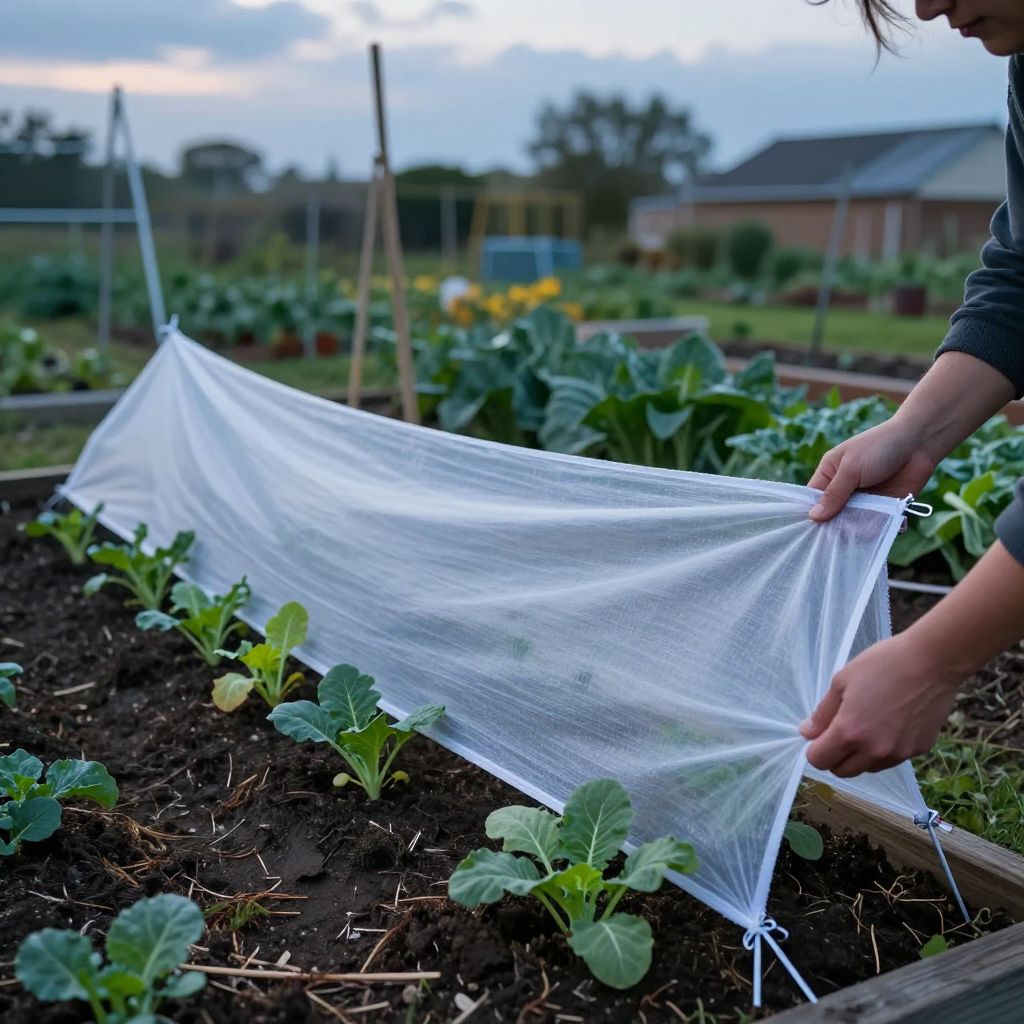
At what temperature should you cover your plants at night? The short answer is: cover tender plants when temperatures are forecast to dip near 32°F (0°C), and consider protection earlier—around 36–40°F (2–4°C)—for frost-sensitive crops, seedlings, and tropical ornamentals. The right threshold depends on the plant, how established it is, and whether you’re dealing with a light frost or a hard freeze.
Covering plants works best when you use it as a temporary shield, not a substitute for good site selection and seasonal timing. A simple frost cloth, sheet, or row cover can protect foliage and flowers from radiational cooling, but it won’t rescue every plant from prolonged freezing weather.
At what temperature should you cover your plants at night?
Cover tender plants when nighttime temperatures are expected to fall to 32°F (0°C) or lower, and use protection sooner—about 36–40°F (2–4°C)—for frost-sensitive vegetables, annual flowers, and newly planted seedlings. Very tender plants may need covering any time temperatures approach the upper 30s, especially on clear, calm nights.
The exact trigger depends on the plant’s cold tolerance, whether it is in the ground or in a container, and how long the cold will last. A brief dip is less risky than several hours below freezing.
Why temperature alone is not the whole story
Air temperature matters, but frost damage is also shaped by wind, cloud cover, humidity, soil moisture, and how exposed your garden is. A sheltered bed near a wall may stay warmer than an open lawn, while a pot on a patio can cool much faster than the same plant in the ground.
Factors that change the covering threshold
- Plant type: Tender annuals and warm-season vegetables are more vulnerable than cool-season crops.
- Plant maturity: Young transplants usually need more protection than established plants.
- Container vs. ground: Pots lose heat quickly and roots are more exposed.
- Duration of cold: A short chill is less damaging than a long freeze.
- Sky conditions: Clear, still nights often lead to stronger frost formation.
Which plants need covering first?
Start with plants that are not frost-hardy or that are actively flowering, fruiting, or newly transplanted. These are the most likely to be damaged when temperatures drop near freezing.
Common plants that often need protection
- Tomatoes, peppers, eggplants, and basil
- Beans, cucumbers, squash, and melons
- Annual flowers such as impatiens, begonias, and petunias
- Newly planted perennials that have not fully rooted in
- Houseplants moved outdoors for summer
- Container-grown herbs and ornamentals
Cool-season crops such as kale, spinach, lettuce, broccoli, and carrots are generally more tolerant of cold, but even they can benefit from a cover during a hard frost or if they are young and tender.
What kind of cover works best?
The best cover is one that traps a little heat while keeping the plant from touching freezing air directly. Lightweight frost cloth, floating row cover, old sheets, blankets, and overturned baskets can all help if used correctly.
Best materials for night protection
- Frost cloth or row cover: The most reliable option for repeated use.
- Old bedsheets or lightweight blankets: Good emergency covers for a single cold night.
- Cardboard boxes or buckets: Useful for small plants if they do not crush foliage.
- Plastic: Use with caution; it can trap moisture and damage leaves if it touches them.
If you use plastic, keep it supported above the foliage and remove it in the morning. Plastic that touches leaves can transfer cold and cause more damage than protection.
How to cover plants the right way
Covering plants is simple, but the details matter. The goal is to trap ground heat without smothering the plant or creating a wet, cold blanket against the leaves.
- Water the soil earlier in the day if it is dry. Moist soil holds heat better than dry soil.
- Set the cover in place before sunset, while warmth is still in the garden.
- Make sure the cover reaches the ground to trap rising heat.
- Keep the cover off the foliage if possible by using stakes, hoops, or a frame.
- Secure the edges with rocks, bricks, or soil so cold air cannot blow in.
- Remove the cover after sunrise once temperatures rise above freezing.
Do not leave covers on all day in warm weather. Plants can overheat quickly under direct sun, especially under plastic or heavy fabric.
How low is too low for different kinds of plants?
Many gardeners want a single number, but the safer answer is a range. Some plants can handle a light frost near 32°F, while others are injured well before that. Your local frost dates and the plant’s hardiness are the best guides.
General cold-tolerance guide
- Very tender plants: Protect at 40°F and below if frost is possible.
- Moderately tender plants: Protect around 36–38°F, especially if exposed.
- Cool-season vegetables: Often tolerate brief temperatures near freezing, but cover if a hard frost is expected.
- Woody ornamentals and hardy perennials: Usually do not need covering unless they are newly planted or unusually exposed.
If you are unsure, err on the side of covering. A light cover on a cool night is usually harmless, while one missed frost can blacken leaves, ruin blossoms, and set back growth for weeks.
Special care for containers, raised beds, and seedlings
Plants in containers need extra attention because their roots are above ground and exposed to colder air. Raised beds also cool faster than in-ground beds, especially on windy nights.
Container plants
Move pots close to a wall, under an eave, or into a garage, shed, or porch if the forecast is near freezing. If they must stay outside, cluster pots together and wrap the containers with burlap, bubble wrap, or frost cloth to slow heat loss.
Seedlings and transplants
Young plants have shallow roots and tender growth, so they are often damaged sooner than mature plants. Use row cover, cloches, or a simple low tunnel to protect them on cold nights until they are established.
Raised beds
Because raised beds drain well and warm quickly, they also cool quickly. A floating row cover is especially useful here because it can protect several crops at once without crushing them.
When you should not cover plants
Covering helps in many situations, but it is not always the right move. Sometimes the better choice is to harvest, move containers, or accept that a plant is too tender for the forecast.
- Do not use a heavy cover that breaks stems or flattens delicate flowers.
- Do not trap wet foliage under a sealed plastic sheet.
- Do not cover plants during a warm, sunny day unless you can remove the cover promptly.
- Do not assume a cover will protect plants through a hard freeze lasting many hours.
If temperatures are expected to stay well below freezing, especially in the 20s°F (-6°C to -1°C) or lower, some tender plants may still be lost even with protection. In that case, focus on moving containers and harvesting what you can.
How to tell if frost damage has already happened
Frost damage is not always obvious at first light. Leaves may look fine while frozen, then turn limp, dark, or translucent later in the day as tissues thaw.
Common signs of cold injury
- Blackened or water-soaked leaves
- Wilted stems that do not recover by midday
- Blossoms dropping off
- Softened tips on tender growth
- Fruit that becomes pitted or discolored
Wait until the plant has thawed before pruning damaged tissue. Some leaves that look bad in the morning may still hold enough healthy tissue to support recovery.
Extra ways to reduce frost risk
Covering plants works best when paired with smart garden habits. Small changes in placement and maintenance can make a noticeable difference on cold nights.
- Plant tender crops in the warmest, most sheltered part of the garden.
- Use walls, fences, or hedges as windbreaks.
- Keep the soil evenly moist, but not soggy, during cold spells.
- Mulch around the base of plants to help buffer soil temperature.
- Choose cold-tolerant varieties when your season is short or unpredictable.
Healthy, well-rooted plants usually recover from brief cold stress better than weak or drought-stressed ones. Good soil structure and drainage matter because waterlogged roots are more vulnerable to cold injury.
Common mistakes to avoid
Most frost-protection problems come from using the wrong material or leaving the cover on too long. A few simple habits can prevent damage.
- Covering too late: Put covers on before temperatures fall, not after frost has already formed.
- Using plastic directly on leaves: This can cause more harm than help.
- Forgetting to remove covers in the morning: Heat buildup can stress plants fast.
- Ignoring containers: Pots often need more protection than in-ground plants.
- Assuming all plants need the same treatment: Cold tolerance varies widely.
What to do after a cold night
After a chilly night, inspect your plants once the sun is up and the foliage has thawed. If the plant looks healthy, uncover it and resume normal care. If damage is minor, remove only clearly dead tissue later in the day.
For vegetables, harvest anything that is ready before the next cold snap. For flowers and ornamentals, trim damaged growth only after you can see what has truly been lost.
Conclusion: use the forecast, not the calendar
The best answer to at what temperature should you cover your plants at night is to watch for temperatures near 32°F (0°C), and cover sooner for tender plants when nights are forecast in the upper 30s. Match the protection to the plant, the exposure, and the length of the cold spell, then remove covers promptly in the morning.
If you want to keep learning, look for more guidance on frost dates, row covers, and cold protection for specific crops so you can adjust your garden plan to your local climate.