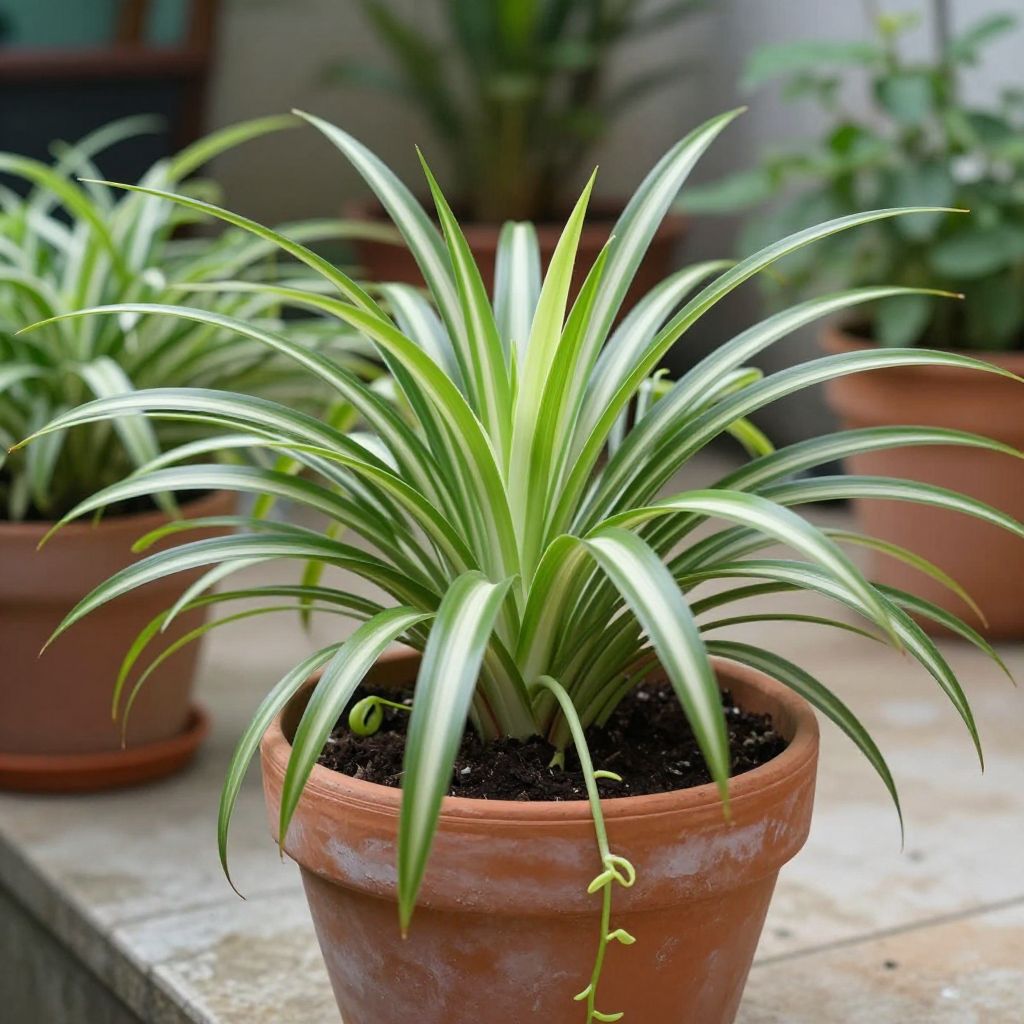
Can spider plants live outside? Yes, they can in the right climate and with the right care, but they are not a true all-weather outdoor plant everywhere. Spider plants (Chlorophytum comosum) do best outdoors in mild temperatures, bright indirect light, and well-drained soil, and they need protection from frost, harsh sun, and prolonged cold.
If you want to move a spider plant outside or grow one outdoors year-round, the key is matching its needs to your local conditions. With a little planning, spider plants can do well in hanging baskets, patio pots, shaded beds, and sheltered borders.
Can spider plants live outside?
Spider plants can live outside in warm, frost-free regions or seasonally in cooler climates. They prefer temperatures that stay above freezing, bright filtered light, and soil that drains well. Outdoors, they usually grow best in containers or protected spots where rain, wind, and direct afternoon sun are limited.
What conditions do spider plants need outdoors?
Light
Spider plants like bright light, but outdoors that usually means morning sun and afternoon shade or dappled light under taller plants, trees, or a covered patio. Too much direct sun can scorch the leaves, especially in hot or dry climates.
If your outdoor area is very cool or cloudy, spider plants may tolerate more sun. If your summers are intense, give them more shade and watch for pale, crispy leaf tips.
Temperature
Spider plants are tender perennials and dislike cold. They are most comfortable in mild temperatures and can suffer damage from frost or prolonged chills. If your area gets cold nights, treat them as seasonal outdoor plants or move them inside before temperatures drop.
Frost is the biggest outdoor risk. Even a light freeze can damage leaves and roots, so do not leave them exposed if cold weather is expected.
Humidity and airflow
Spider plants appreciate moderate humidity, but they also need good airflow to reduce fungal problems. A sheltered spot with moving air is ideal. Avoid cramming them into dense, stagnant corners where leaves stay wet for long periods.
Where should you plant spider plants outdoors?
The best outdoor location depends on your climate and how much sun your yard gets. In general, choose a site that offers protection from extremes rather than full exposure.
- Containers: Best for most gardeners because you can move them as weather changes.
- Hanging baskets: Good for patios, porches, and shaded decks.
- Raised beds or borders: Possible in mild climates with rich, well-drained soil.
- Under shrubs or trees: Often ideal if the canopy filters harsh light.
If you are unsure, start with a pot. Container growing gives you the most control over watering, light, and temperature.
How to plant spider plants outside
Choose the right container or bed
Use a pot with drainage holes if you are growing spider plants outdoors in containers. A 6- to 10-inch pot is often enough for a young plant, but larger or crowded plants may need more room. In the ground, pick a spot with loose, fertile soil that drains well after rain.
Use a well-draining potting mix
Spider plants do not like soggy roots. A quality potting mix with added perlite, bark, or coarse sand can help drainage. In garden beds, improve heavy soil with compost, but avoid making it too rich and water-retentive.
Good drainage matters more than heavy feeding. If water sits around the roots, the plant may decline even if the leaves still look green at first.
Plant at the same depth
Set the crown at the same level it was growing before. Do not bury the base of the plant too deeply, because that can encourage rot. Firm the soil gently and water once to settle it in.
How often should you water an outdoor spider plant?
Water when the top inch or two of soil feels dry, rather than following a fixed schedule. Outdoor spider plants may need water more often in hot, windy weather and less often during cool or rainy periods. Containers dry faster than in-ground plantings.
- Check soil with your finger before watering.
- Water deeply so moisture reaches the root zone.
- Empty saucers under pots so roots do not sit in water.
- Reduce watering during cool, cloudy, or rainy spells.
Overwatering is one of the most common problems. Yellow leaves, soft stems, and a constantly wet mix often mean the roots are staying too wet.
Can spider plants stay outside all year?
Only in climates where winters stay mild and frost is rare. In many regions, spider plants can spend spring and summer outdoors, then need to come inside before cold weather arrives. If your area has freezing temperatures, treat outdoor growing as seasonal unless you can provide reliable protection.
Seasonal care by climate
- Warm, frost-free climates: Spider plants may live outdoors year-round in sheltered shade.
- Temperate climates: Move them outside after cold weather passes and bring them in before autumn frosts.
- Hot, dry climates: Provide shade and monitor moisture closely to prevent leaf scorch and drought stress.
If you are not sure whether your local winter is safe, err on the side of caution and bring the plant indoors when nights begin to cool.
How do you care for spider plants outside?
Pruning and grooming
Remove brown, damaged, or sunburned leaves with clean scissors. Trim off dried tips if they bother you, but do not cut into healthy green tissue more than necessary. Regular grooming helps the plant look tidy and directs energy into new growth.
You can also remove spent flower stalks after blooming. If you want baby spider plants, leave the plantlets attached until they root or are ready for propagation.
Feeding
Outdoor spider plants usually do not need heavy fertilizing. A light application of balanced fertilizer during active growth may help, especially in containers, but too much fertilizer can cause brown leaf tips and weak growth. If the plant is in rich soil, it may need very little feeding at all.
Compost can be useful in garden beds, but use it sparingly. Too much organic matter can hold excess moisture around the roots.
Cleaning and maintenance
Rinse dust, pollen, or sticky residue from leaves with a gentle spray of water if needed. Check the plant regularly for pests, especially if it sits near other outdoor ornamentals.
Common outdoor problems and how to fix them
Leaf scorch
Brown, bleached, or crispy patches often mean the plant is getting too much direct sun. Move it to brighter shade or filtered light, especially during the hottest part of the day.
Yellowing leaves
Yellow leaves can signal overwatering, poor drainage, or stress from cold. Let the soil dry slightly before watering again, and make sure the pot or bed drains freely.
Brown tips
Brown tips are common on spider plants and can come from inconsistent watering, excess fertilizer, dry air, or mineral buildup in the soil. Use steady watering habits and avoid overfeeding. If your water is very hard, occasional leaching with clean water can help in containers.
Pests
Outdoors, spider plants may attract aphids, mealybugs, scale, or spider mites. Inspect leaf undersides and the crown regularly. If you spot pests early, rinse them off with water or remove them by hand before the infestation spreads.
- Check new growth and leaf joints for sticky residue or cottony clusters.
- Isolate affected plants from others if possible.
- Prune heavily infested leaves if needed.
Rot and mildew
Soft, collapsing crowns or foul-smelling soil usually point to root rot. This is often caused by poor drainage or too much rain. Move the plant to a drier location, reduce watering, and repot if the roots are damaged.
Can spider plant babies grow outside too?
Yes, spiderettes or plantlets can root outdoors if conditions are warm and mild. They root best in small pots or directly into loose, moist soil in a sheltered spot. Keep the soil lightly moist until new growth appears.
If you want to propagate them, pin a plantlet to the surface of a small pot of mix while it is still attached to the mother plant. Once it roots well, you can cut it free and grow it on.
Should you grow spider plants in the ground or in pots?
For most gardeners, pots are safer and easier. Containers let you control drainage, move the plant into shade or shelter, and bring it indoors when temperatures drop. In-ground planting can work in mild climates, but only if the soil drains well and winter cold is not a problem.
Choose in-ground planting only if you can give the plant a protected site and you know your winters are gentle. Otherwise, a pot or hanging basket is the more reliable option.
Quick outdoor care checklist
- Place the plant in bright, indirect light or partial shade.
- Protect it from frost and cold nights.
- Use a well-draining potting mix or loose garden soil.
- Water when the top inch or two of soil dries out.
- Watch for sun scorch, yellowing, pests, and root rot.
- Move the plant indoors if your climate turns cold.
Conclusion
So, can spider plants live outside? Absolutely, as long as you match the plant to a mild, sheltered environment and avoid cold, harsh sun, and soggy soil. Start with a container in partial shade, monitor moisture closely, and bring the plant in before frost if your climate requires it.
If you want to keep learning, you may also enjoy reading more about how to care for spider plants indoors and the best shade-loving container plants.