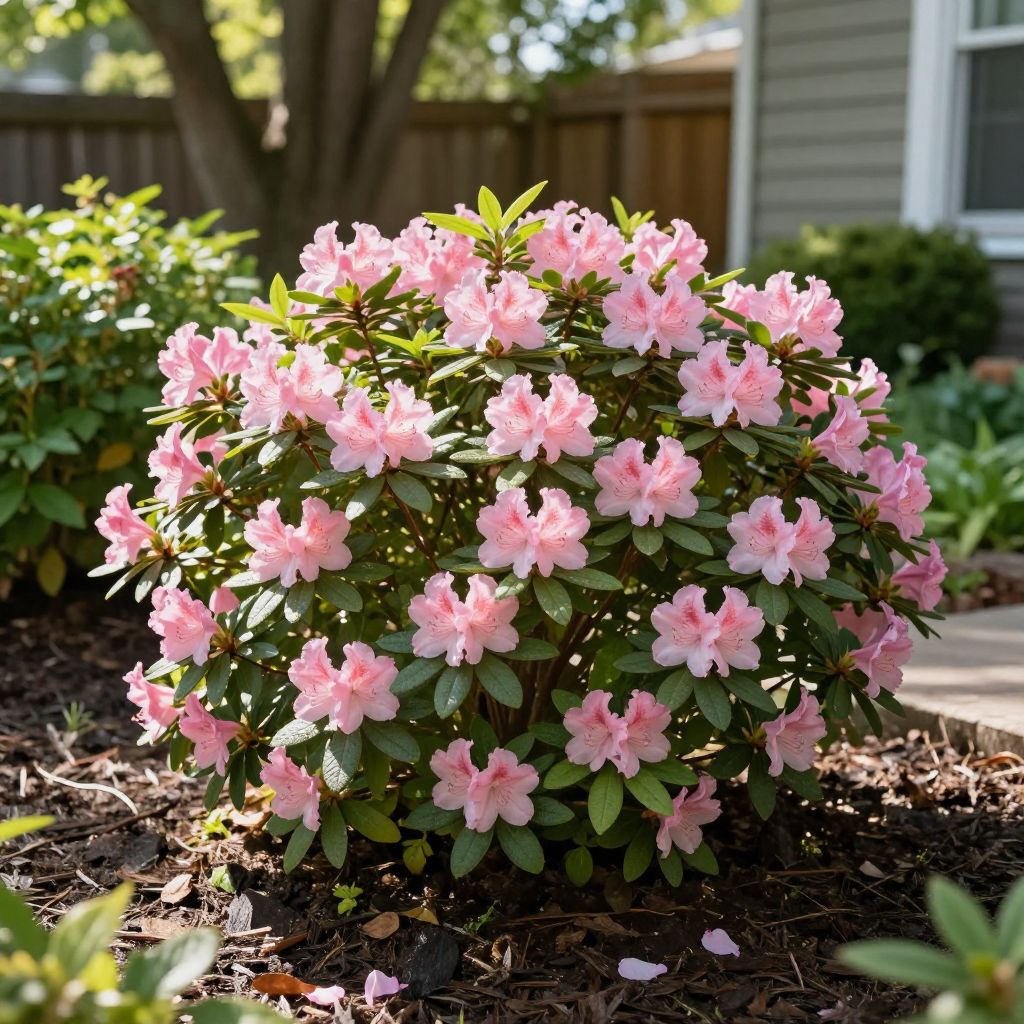
Do azaleas need full sun? Not usually. Most azaleas grow best with morning sun and afternoon shade, especially in warmer climates. Too much hot sun can scorch leaves, dry out buds, and stress the plant, while too much shade can reduce flowering. The right balance depends on your climate, soil moisture, and the azalea type you’re growing.
If you place azaleas where they get bright light without harsh afternoon exposure, you’ll usually get healthier growth and better blooms. The key is matching the plant to the site: azaleas like acidic, well-drained soil, steady moisture, and protection from strong wind and reflected heat.
Do azaleas need full sun?
Most azaleas do not need full sun. In fact, many perform better with 4 to 6 hours of gentle sun, ideally morning sun and filtered or afternoon shade. In hot regions, too much direct sun can cause leaf scorch and shorter bloom life. In cooler climates, some azaleas can take more sun if the soil stays evenly moist.
How much sun azaleas really need
Azaleas are woodland shrubs in spirit, even when they’re used in formal landscapes. They naturally grow under light tree cover, where they receive bright but softened light for part of the day.
Best light conditions by climate
- Cooler climates: More sun is usually fine, especially if the soil does not dry out.
- Hot climates: Morning sun and afternoon shade is often best.
- Very shady sites: Plants may survive, but flowering can become sparse and growth leggy.
If you’re unsure, watch the planting spot through the day. A good azalea site gets bright light early, then dappled shade or protection from intense afternoon rays.
What happens in too much sun?
- Leaves may look faded, curled, or scorched at the edges.
- Buds can dry out before opening fully.
- Soil dries faster, increasing stress during warm spells.
- Plants may need more frequent watering and still look tired.
What happens in too much shade?
- Fewer flowers.
- Long, sparse stems instead of a dense shrub.
- Slower drying after rain, which can increase disease risk in damp sites.
Ideal growing conditions for azaleas
Sunlight matters, but it is only one part of azalea care. Soil and drainage are just as important, and in many gardens they matter even more.
Soil and pH
Azaleas prefer acidic soil that drains well but still holds moisture. They usually do best in soil rich in organic matter, such as leaf mold, pine bark fines, or compost that has fully broken down.
Avoid planting azaleas in heavy clay that stays wet, or in very sandy soil that dries too quickly unless you can improve it with organic matter and mulch.
Drainage
Good drainage is essential. Azalea roots are shallow and can suffer if water sits around them for long periods.
- Plant slightly high if your soil is heavy.
- Do not bury the root ball too deeply.
- Use mulch to help moderate moisture and soil temperature.
Moisture
Azaleas like consistent moisture, not soggy soil. Dry spells are especially stressful when plants are in full sun or newly planted.
Check soil by feeling it 2 to 3 inches below the surface. If it feels dry at that depth, water deeply rather than giving a light sprinkle.
How to choose the right spot for azaleas
Picking the right location at planting time saves a lot of trouble later. A good site can reduce watering, improve flowering, and help the shrub stay compact and healthy.
- Look for morning sun and afternoon shade if summers are hot.
- Choose a place with well-drained, acidic soil.
- Avoid spots with reflected heat from walls, pavement, or south-facing brick.
- Keep azaleas out of strong drying winds when possible.
- Leave room for mature width so the shrub isn’t crowded.
If you already have azaleas in full sun, don’t panic. Many can adapt if you improve soil moisture, add mulch, and protect them from the hottest part of the day.
Planting and care tips for sunnier sites
Azaleas can grow in brighter exposures if you support them properly. The goal is to reduce stress, especially during warm weather.
Watering in sun
Plants in more sun dry out faster, so they need closer attention. Water deeply at the base of the plant rather than overhead, and aim to keep the root zone evenly moist.
- Water newly planted azaleas more often until roots establish.
- Water early in the day when possible.
- Use mulch to slow evaporation.
Be careful not to overwater just because the plant is in sun. Constantly wet soil can be just as damaging as drought.
Mulching
A 2- to 3-inch layer of organic mulch helps conserve moisture and keep roots cooler. Pine bark, pine needles, shredded leaves, or similar organic mulches are often useful around azaleas.
Keep mulch a few inches away from the stems so the crown does not stay damp.
Feeding
Azaleas generally do not need heavy fertilizing. Too much fertilizer can push weak growth and make plants more vulnerable to stress, especially in hot sun.
If your soil is poor, improve it with organic matter and use a fertilizer made for acid-loving plants only when needed and according to the product label.
Pruning and shaping azaleas
Pruning is not a cure for poor light, but it can help maintain shape and airflow. The best time to prune is usually after flowering, since many azaleas set next season’s buds later in the year.
Simple pruning approach
- Remove dead, damaged, or crossing branches.
- Lightly shorten overly long stems after bloom.
- Avoid hard pruning unless the shrub is very overgrown.
If an azalea is stretching toward light, that is often a sign it needs a better location rather than more pruning.
Common problems when azaleas get too much sun
Sun stress can look like disease at first, so it helps to know what to check.
Leaf scorch
Brown, crispy edges or bleached patches on leaves often mean the plant is getting too much direct sun, especially with dry soil or wind exposure.
Fix: Increase mulch, water more consistently, and consider light shade from a nearby tree or taller shrub if the site is too exposed.
Bud drop or poor bloom
Stress from heat and drought can cause buds to fail before opening. Harsh sun can also shorten the bloom display.
Fix: Keep soil evenly moist and protect the plant from afternoon heat. If the site is extremely hot, transplanting to a better location may be the best long-term solution.
Yellowing leaves
Yellow leaves can signal several issues, including poor drainage, alkaline soil, root stress, or nutrient problems. Sun alone is not usually the only cause.
Fix: Check soil moisture first. If the soil stays wet, improve drainage. If the soil is alkaline, azaleas may struggle unless the site is amended appropriately.
Common pests and diseases to watch for
Healthy azaleas in the right light are less likely to have serious problems, but stressed plants are more vulnerable.
Likely pest issues
- Lace bugs, which can cause stippled or pale-looking leaves.
- Spider mites, especially in hot, dry conditions.
- Scale insects on stems and undersides of leaves.
Likely disease issues
- Root rot in poorly drained soil.
- Leaf spot in crowded, damp conditions.
- Dieback on stressed branches.
Good spacing, proper watering, and avoiding overhead watering go a long way toward preventing trouble. If pests appear, identify the issue before treating so you don’t solve the wrong problem.
Can azaleas grow in full sun in some climates?
Yes, some azaleas can handle full sun in cooler regions or where summers are mild, especially if the soil stays moist and the roots are shaded by mulch. But even then, full sun is usually not the first choice for the average home garden.
In warm or hot climates, the same plant may need afternoon shade to stay healthy. This is why local conditions matter more than a simple yes-or-no answer.
Signs your azalea is happy in its spot
- Leaves are green and firm, not scorched or limp.
- Growth is steady and compact.
- Flower buds form well and open normally.
- The shrub recovers quickly after normal dry spells.
When to move an azalea
If your azalea is clearly struggling in full sun despite good watering and mulch, relocation may be worth considering. The best time to move it is usually when the plant is not actively stressed by heat or bloom, and when weather is mild enough to help roots reestablish.
When transplanting, dig wide rather than deep, keep as much root ball intact as possible, and replant at the same depth. Water thoroughly after planting and monitor moisture closely for several weeks.
Conclusion: the best light for azaleas
Azaleas usually do best without full sun, especially in hot climates. Aim for morning sun, afternoon shade, acidic well-drained soil, and even moisture for the healthiest shrubs and best flowers. If your plant is already in a brighter spot, improve mulch and watering first, then judge whether the site is truly working.
For more practical shrub care, you may also want to read related gardening guides on acid-loving plants and shade-tolerant landscape shrubs.