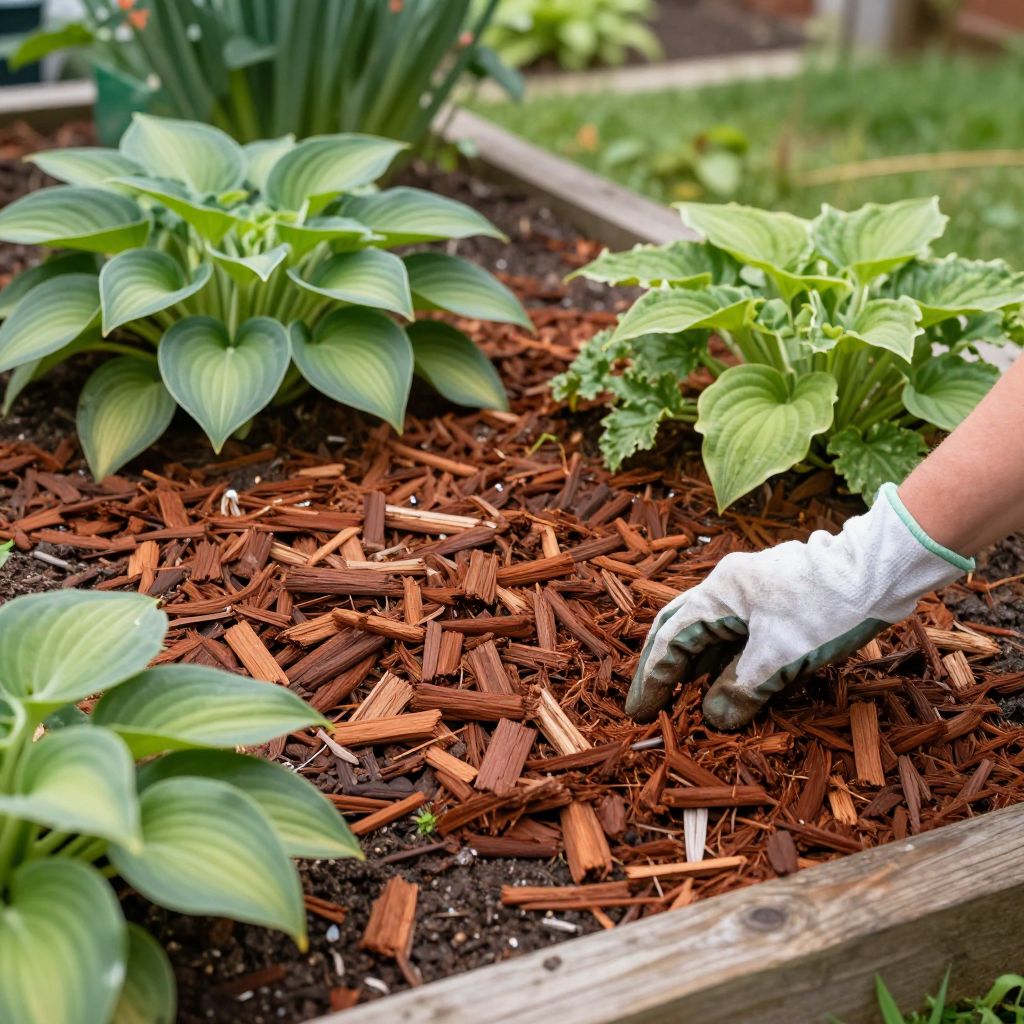
Does cedar mulch repel bugs, or is that just a gardening myth? The short answer is yes, cedar mulch can help discourage some insects, but it is not a complete pest control solution. Its scent and natural compounds may make an area less attractive to certain bugs, especially when the mulch is fresh.
Still, mulch choice is only one part of healthy garden care. If you want fewer pests around beds, containers, and foundations, you also need good drainage, proper spacing, and clean garden maintenance.
Does cedar mulch repel bugs?
Cedar mulch may repel or discourage some insects, including ants, moths, and certain beetles, because cedar contains aromatic oils and compounds that insects tend to avoid. However, it does not reliably stop all pests, and it will not control an active infestation. Think of it as a mild deterrent, not a pesticide.
How cedar mulch works in the garden
Cedar mulch is made from shredded or chipped cedar wood, often from Thuja or true cedars such as Cedrus. As it ages, the scent becomes less noticeable, and so does much of its pest-deterring effect.
What bugs may be discouraged
- Ants
- Some beetles
- Fleas and ticks to a limited degree in some settings
- Occasional nuisance insects that prefer undisturbed, damp debris
What cedar mulch does not do
- It does not kill pests on contact
- It does not prevent all insects from crossing it
- It does not fix soil problems that attract pests, such as excess moisture or rotting plant material
- It does not replace good garden sanitation or targeted pest management
When cedar mulch is a good choice
Cedar mulch makes sense when you want a decorative, long-lasting mulch with a pleasant scent and some added pest resistance. It is especially useful in ornamental beds, around shrubs, and near walkways where appearance matters.
Best situations for cedar mulch
- Landscape beds around established shrubs and perennials
- Areas where you want slower decomposition than with many softwood mulches
- Garden spaces where mild insect discouragement is a bonus, not the main goal
- Paths and borders where a clean, finished look is important
When to choose something else
If your main goal is soil improvement, moisture retention for vegetables, or feeding the soil quickly, other mulches such as shredded leaves, straw, or composted bark may be better choices. Cedar can still be used, but it is not always the best mulch for intensive edible beds.
How to use cedar mulch correctly
Even the best mulch can cause problems if it is applied too thickly or piled against stems. The goal is to suppress weeds, conserve moisture, and support healthy roots without creating soggy conditions.
- Clear weeds and debris before mulching.
- Water the soil first if it is dry.
- Spread cedar mulch in a layer about 2 to 3 inches deep.
- Keep mulch a few inches away from stems, trunks, and crowns.
- Refresh only as needed when the layer thins or breaks down.
Common mulching mistakes to avoid
- Mulch volcanoes around trees and shrubs, which trap moisture against bark
- Layering mulch too deeply, which can reduce air flow to roots
- Mulching over weeds without removing them first
- Letting mulch stay constantly wet against plant crowns
- Using cedar mulch as the only pest-control strategy
Does cedar mulch repel bugs better when fresh?
Yes, cedar mulch usually has the strongest scent and most noticeable deterrent effect when it is fresh. As it weathers, the aromatic compounds fade. If bug resistance is important to you, the mulch may be most effective in the first season after application.
How to tell when it is time to refresh
- The color has faded significantly
- The mulch has broken down into fine pieces
- Weeds are pushing through more easily
- The scent is barely noticeable
That does not mean you must replace it immediately. In many gardens, the remaining mulch still helps with moisture retention and weed suppression even after the scent fades.
Will cedar mulch keep pests away from vegetables?
Cedar mulch may help reduce some nuisance insects around vegetable beds, but it should not be relied on for pest control in food gardens. Vegetables are more likely to benefit from mulches that also improve soil structure and break down faster, such as straw, shredded leaves, or composted organic matter.
For edible beds, focus on these priorities
- Soil health and drainage
- Consistent moisture without waterlogging
- Good spacing for airflow
- Regular scouting for pests and disease
- Crop rotation and cleanup at the end of the season
If you do use cedar mulch near vegetables, keep it out of direct contact with stems and monitor the bed closely. In hot or dry climates, any mulch can help reduce evaporation, but it should not create a barrier that keeps the soil too cool in spring.
Other factors that affect bugs more than mulch
Many gardeners focus on mulch first, but pest pressure is often driven more by moisture, shelter, and plant stress. A healthy garden is usually less attractive to insects than a poorly drained, crowded one.
What really attracts bugs
- Standing water or soggy soil
- Overgrown weeds and plant debris
- Dense growth with little airflow
- Stressed plants from drought, poor soil, or root damage
- Decaying wood or rotting organic matter near beds
Fixing those issues often makes a bigger difference than changing mulch type. Cedar mulch can support that effort, but it works best as part of a larger garden care plan.
How to troubleshoot pest problems in mulched beds
If you still see bugs after using cedar mulch, do not assume the mulch failed. First, identify the pest and check whether the bed has moisture, shade, or debris that is creating the real problem.
Simple troubleshooting steps
- Inspect the soil surface and undersides of leaves for insects or eggs.
- Check whether the mulch is too deep or packed tightly.
- Look for wet spots, poor drainage, or irrigation overspray.
- Remove rotting plant material and fallen fruit or leaves.
- Trim crowded plants to improve airflow.
- Use targeted controls if needed, based on the specific pest.
If ants are nesting in mulch, for example, the issue may be dry, loose habitat rather than the mulch type itself. If slugs are present, excess moisture and shade are usually bigger factors than cedar scent.
Is cedar mulch safe for plants?
In most landscape settings, cedar mulch is safe when used correctly. The main risk is not the wood itself but improper application, especially if the mulch is piled too thickly or kept too close to stems and trunks.
Best practices for plant safety
- Use a moderate layer, not a heavy blanket
- Keep mulch away from the base of plants
- Monitor moisture under the mulch, especially after rain
- Recheck beds in spring and after heavy storms
Young plants and newly transplanted shrubs are especially sensitive to excess moisture and poor air circulation. Give them a little extra room around the crown so the mulch supports, rather than smothers, root establishment.
Should you choose cedar mulch for bug control?
If you want a mulch that looks good, lasts fairly well, and may discourage some insects, cedar is a reasonable option. If you want strong pest control, it will not do the job alone. The best results come from combining mulch with healthy soil, proper watering, and regular garden cleanup.
For more practical garden planning, you may also want to read about choosing the right mulch for your garden beds and how to improve soil drainage in landscape plantings.