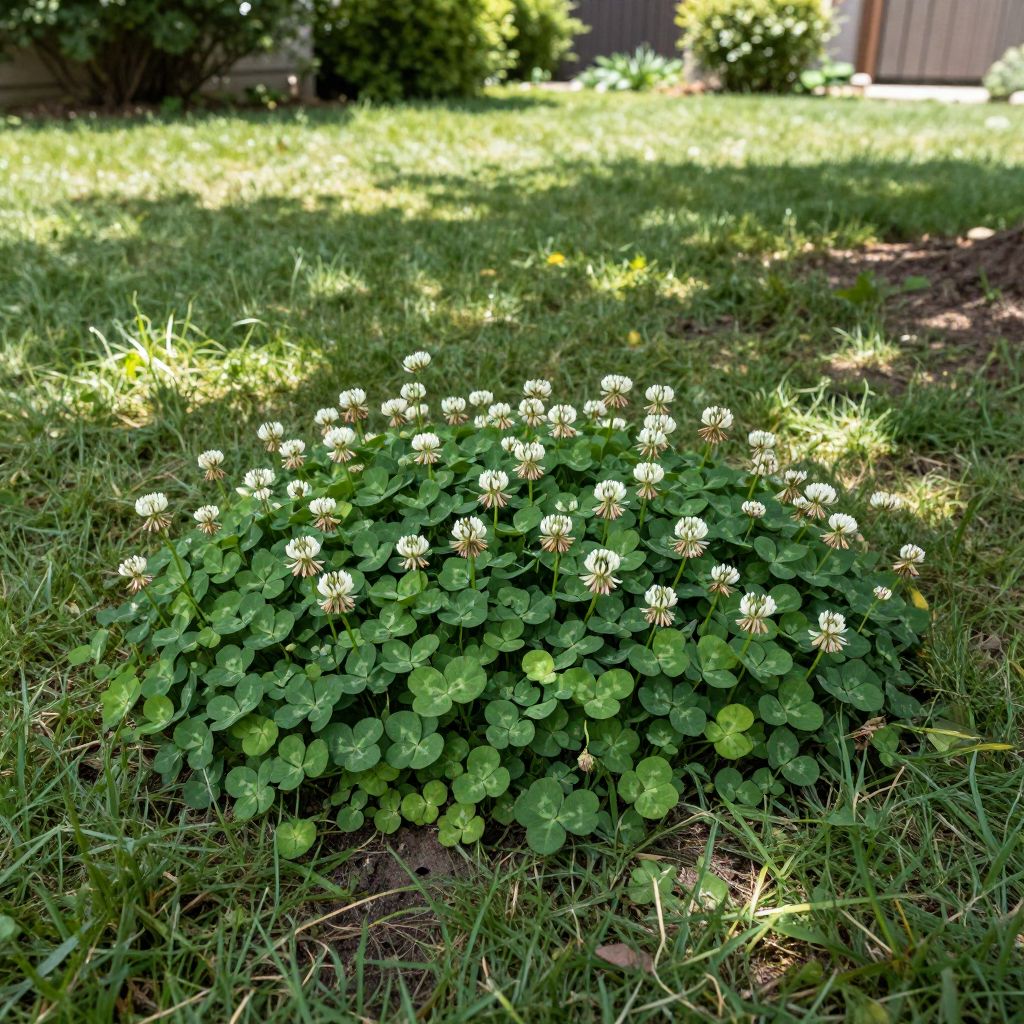
Does clover grow in shade? Yes, but it depends on how much light the area gets. Clover can handle partial shade better than many lawn grasses, especially in cool climates or under open tree canopies, but it usually becomes thinner and less vigorous as shade deepens.
If you want clover to establish well, the key is not just shade level but also soil moisture, drainage, and how much direct sun the spot receives each day. A little morning sun can make a big difference, while dense shade from buildings or thick tree cover often leads to sparse growth.
Does clover grow in shade?
Clover can grow in light to moderate shade, especially if it still gets a few hours of direct sun or bright filtered light each day. In deep shade, it usually stretches, thins out, and may fail to spread well. For best results, aim for at least 3 to 4 hours of sun or bright dappled light.
How much shade can clover tolerate?
Most clovers used in lawns and ground cover, especially white clover (Trifolium repens), tolerate more shade than turfgrass, but they are not true deep-shade plants. They perform best in partial shade, such as areas with morning sun and afternoon shade, or under high tree branches that let light through.
What counts as too much shade?
- Light shade: Bright area with filtered light or a few hours of direct sun.
- Partial shade: About 3 to 6 hours of sun, often morning sun.
- Deep shade: Less than 3 hours of direct sun, or dense cover from trees, fences, or buildings.
In deep shade, clover may survive for a while, but it often becomes patchy and weak. If the area is also dry or root-filled from nearby trees, growth is even harder.
Best growing conditions for clover in shady areas
Shade tolerance improves when the rest of the growing conditions are favorable. Clover likes soil that stays evenly moist but never waterlogged, and it grows best in loose, moderately fertile soil with good drainage.
Soil and drainage
Before planting, loosen compacted soil and remove debris so roots can spread. Clover does poorly in heavy, soggy ground, especially in shade where evaporation is slower and the soil stays wet longer.
- Work in compost to improve soil structure if the soil is poor or compacted.
- Avoid low spots where water collects after rain.
- If tree roots dominate the area, expect slower establishment and thinner coverage.
Moisture needs in shade
Shaded areas often dry out more slowly than sunny ones, so overwatering is a common mistake. Keep the soil lightly moist while seed germinates and young plants establish, then water only when the top layer begins to dry.
Too much water in shade can encourage rot, moss, and fungal problems.
How to plant clover in a shady spot
If you are sowing clover in shade, preparation matters more than in a sunny lawn. A clean, open seedbed gives the plants a better chance to compete with moss, weeds, and tree roots.
Step-by-step planting guide
- Rake away leaves, sticks, and thick thatch so light can reach the soil.
- Loosen the top layer of soil and remove obvious weeds.
- Mix in a thin layer of compost if the soil is thin or compacted.
- Scatter seed evenly over the area, then press it gently into the soil.
- Water lightly so the seed stays in contact with moist soil.
- Keep foot traffic off the area until seedlings are established.
Seeding tips for shade
- Use a little more care with even coverage, because thin shade makes patchy germination more noticeable.
- Do not bury seed deeply; clover seed generally needs light contact with the soil surface.
- If the area is under trees, avoid disturbing major roots.
Which clovers do best in shade?
For most home gardeners, white clover is the most practical option for shady lawns and ground cover because it is low-growing and relatively adaptable. Microclover types can also work in partial shade if they receive enough light, though they still need better light than many people expect.
When shade is too heavy for clover
If your site gets very little sun, clover is usually not the best choice. In those conditions, even shade-tolerant clover struggles to stay dense, and you may be better off with a different ground cover suited to low light.
Signs the site is too shady for clover include:
- Thin, leggy growth
- Slow spreading
- Moss taking over
- Yellowing from poor air circulation or excess moisture
- Stems leaning toward the nearest light source
Caring for clover in shade
Once clover is established, maintenance is usually simple, but shaded areas need a little extra attention to prevent weak growth. The main goal is to keep the patch open, airy, and not overly wet.
Watering
Water newly seeded clover often enough to keep the surface evenly moist until germination and early rooting. After that, water only during dry spells or when the soil is clearly drying out.
In shade, it is easy to overdo irrigation because the ground does not dry as quickly. If the soil stays wet for days, reduce watering and check drainage.
Mowing or trimming
In shaded areas, clover often grows a bit taller as it reaches for light. A light trim can help it stay neat and encourage denser growth, but avoid cutting it too short. Very low cutting can stress plants already competing for light.
Fertilizing
Clover fixes its own nitrogen, so it usually does not need much fertilizer. In fact, too much nitrogen can favor surrounding grass or weeds and reduce clover’s advantage in a mixed lawn.
- If soil is poor, compost is often a better first choice than strong fertilizer.
- Do not overfeed shaded clover, especially in moist soil.
Common problems when clover grows in shade
Most problems in shady clover patches come from too little light, too much moisture, or competition from tree roots and weeds. Identifying which issue is affecting your site makes it much easier to fix.
Patchy growth
Patchiness usually means the area is too dark, the soil is compacted, or the seedbed was not prepared well. Thin out nearby weeds, improve the soil surface, and consider whether the site gets enough sun for clover at all.
Moss replacing clover
Moss often appears where shade is heavy, soil is acidic or compacted, and drainage is poor. Clover may coexist with some moss, but if moss dominates, you likely need more light, better drainage, or a different planting choice.
Fungal issues
Cool, damp shade can encourage leaf spots and other fungal problems. Improve airflow by trimming back overhanging growth where appropriate, avoid overhead watering late in the day, and keep the patch from staying soggy.
Competition from tree roots
Tree roots can steal water and nutrients from shallow-rooted clover. If the area is under mature trees, water during dry periods, add a thin layer of compost, and avoid disturbing roots with deep digging.
How to improve a shady site for clover
You may not be able to change the shade completely, but you can often make the space more clover-friendly. Small improvements in light, soil, and drainage can make a noticeable difference.
- Prune lower tree branches carefully if they are creating dense shade and if pruning is appropriate for the tree.
- Rake up fallen leaves regularly so they do not block light.
- Reduce soil compaction by avoiding repeated traffic on wet ground.
- Add compost to improve soil texture and moisture balance.
- Fix drainage problems before planting if water pools after rain.
Should you choose clover for shade?
Clover is a good choice if your site has partial shade, decent drainage, and at least some direct sun. It is less suitable for deep shade, especially under dense evergreens or along north-facing walls with very little light.
If you want a low-maintenance, pollinator-friendly ground cover, clover can be a smart option for the right shady spot. If the area is too dark, you will likely get better results from a plant better adapted to low light.
Quick troubleshooting guide
- Thin growth: Not enough light, compacted soil, or poor seed-to-soil contact.
- Yellowing: Too much water, poor drainage, or too much competition.
- Moss takeover: Excess shade and moisture, plus compacted soil.
- Slow germination: Cool soil, dry surface, or seed planted too deeply.
- Leggy stems: Clover is reaching for more light.
Conclusion
So, does clover grow in shade? Yes, but best in light to moderate shade rather than deep shade. If you want healthy growth, give it as much light as possible, prepare the soil well, and avoid overwatering. Start by checking how many hours of sun your site really gets, then decide whether clover is the right fit.
If you are planning a shady lawn or ground cover, you may also want to read more about clover lawn care and shade-tolerant ground covers.