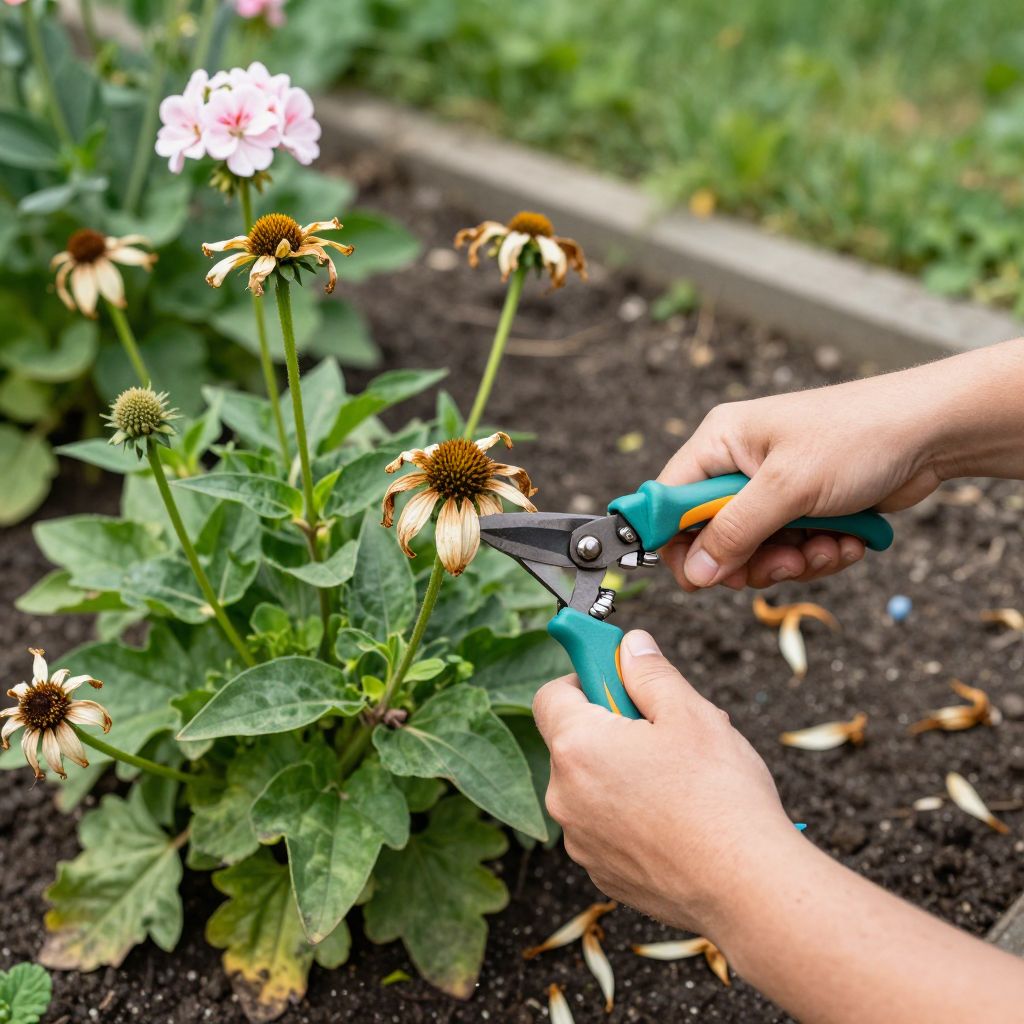
What should you do with dead flowers? The right answer depends on whether the blooms are spent on a living plant, cut flowers in a vase, or dried material in the garden. In most cases, removing dead flowers helps the plant look better, keeps it from wasting energy on seed production, and can encourage more blooms.
But dead flowers are not always waste. Some can be composted, some should be left for seed collection or wildlife, and some need to be removed carefully to prevent disease. Here’s how to decide what to do with dead flowers and how to handle them properly.
What to do with dead flowers?
Dead flowers should usually be removed, composted, or repurposed depending on the plant and your goal. On many flowering plants, deadheading spent blooms encourages more flowering and keeps the plant tidy. If the flowers are diseased, discard them instead of composting. If you want seeds, leave some blooms in place until they mature.
Why deadheading matters
Deadheading is the simple act of removing faded flowers before they set seed. Many annuals and perennials bloom longer when you do this because the plant shifts energy from seed-making back into new growth and more buds.
It also improves appearance. A plant with fresh blossoms and no browned petals looks healthier, and in some cases deadheading can reduce the risk of rot or fungal problems in dense flower clusters.
When deadheading helps most
- Plants that bloom repeatedly through the season
- Annual flowers that naturally keep producing buds
- Perennials that rebloom after trimming
- Container plants where spent blooms are very noticeable
When to leave dead flowers alone
- When you want seeds for saving or self-sowing
- When seed heads feed birds or add winter interest
- When the plant is stressed and needs time to recover
- When the flowers are part of a plant that only blooms once and then sets seed
How to remove dead flowers safely
Use clean, sharp scissors, pruners, or pinch the bloom off by hand if the stem is soft. Always cut back to the nearest healthy leaf, bud, or side shoot rather than leaving a bare stub that can dry out or rot.
- Inspect the flower and nearby stem for browning, mold, or pests.
- Follow the stem down to the first healthy leaf node or branching point.
- Snip just above that point, or pinch off the spent bloom if the stem is tender.
- Remove fallen petals from the soil surface to reduce disease and mess.
- Clean your tools before moving to another plant if disease is present.
Tip: If a plant has many spent blooms, deadhead regularly instead of waiting until the whole plant looks finished. Small, frequent cleanup is easier and less stressful for the plant.
Tools that work well
- Bypass pruners for thicker stems
- Small snips or herb scissors for delicate flowers
- Gardening gloves for thorny or sticky stems
- A bucket or trug for collecting debris
What to do with dead flowers from different plants
Not all flowers should be handled the same way. Some plants respond well to deadheading, while others are better left to form seed heads or need a different pruning approach.
Annual flowers
Many annuals benefit from regular deadheading because they are programmed to flower, set seed, and finish their life cycle in one season. Removing old blooms often keeps them producing longer.
Examples include many petunias, marigolds, zinnias, cosmos, and snapdragons. With these plants, remove the flower plus a short section of stem if the bloom is fading on a longer stalk.
Perennials
Perennials vary widely. Some rebloom after deadheading, while others flower once and then shift into leaf growth or seed production. For repeat bloomers, removing spent flowers can extend the display.
For perennials that form attractive seed heads, you may want to leave some flowers in place after the main bloom period. This can support wildlife and add structure to the garden later in the season.
Roses and shrubs
Many repeat-blooming roses respond well to deadheading. Remove the spent bloom and cut back to the first strong set of leaves. For flowering shrubs, follow the plant’s natural shape and avoid overcutting unless the species clearly tolerates it.
Some shrubs bloom on old wood, so heavy pruning at the wrong time can remove next year’s flower buds. If you are unsure, do only light cleanup until you know the plant’s bloom habit.
Bulbs and spring flowers
For tulips, daffodils, and similar bulbs, remove only the faded flower head if needed, but leave the foliage until it yellows naturally. The leaves feed the bulb for next year’s bloom.
Do not tie, braid, or cut bulb leaves too early just to make the bed look neat. That can weaken the bulb and reduce flowering later.
Can you compost dead flowers?
Yes, healthy dead flowers are usually fine for composting. They break down quickly, especially if you mix them with dry brown material like leaves, shredded paper, or straw to balance moisture and airflow.
However, do not compost flowers that show signs of serious disease, such as powdery mildew, black spot, rust, soft rot, or heavy insect infestation. Those should go in the trash or be disposed of according to local yard-waste rules.
Composting best practices
- Shred large blooms or stems so they break down faster
- Mix soft flower material with dry carbon-rich material
- Turn the pile if it becomes soggy or compacted
- Keep diseased plant material out of the compost unless your system reliably reaches high temperatures
What to do with dead flowers in a vase
If you mean cut flowers indoors, remove the dead blooms from the arrangement as soon as petals wilt, drop, or turn brown. This keeps the vase looking fresh and can help the remaining flowers last longer.
Trim the stems, change the water, and remove any leaves sitting below the waterline. Leaves in water decay quickly and can encourage bacterial growth, which shortens vase life.
Simple vase cleanup steps
- Take out any fully spent flowers.
- Re-cut the stems at an angle if the bouquet still has life left.
- Wash the vase before refilling it with clean water.
- Remove leaves below the water surface.
- Keep the arrangement out of direct sun and away from heat sources.
When dead flowers should be left for seeds or wildlife
Sometimes the best choice is not to remove dead flowers at all. If you want to collect seed, let the flower heads dry on the plant until the seeds mature. If you want to support birds or beneficial insects, seed heads can be valuable food and shelter.
Plants with strong winter seed heads can also add texture to the garden after frost. Ornamental grasses, coneflowers, and some other perennials often look attractive well into the cold season.
How to tell if seeds are ready
- Seed heads turn dry and papery
- Pods or capsules brown and begin to split
- Seeds darken and feel firm
- The flower head no longer looks soft or fresh
If you are saving seed, label the plant and harvest on a dry day. Store seeds in a cool, dry place after they are fully dry.
Common mistakes to avoid
Dead flowers are easy to handle, but a few simple mistakes can reduce flowering or spread problems through the garden.
- Leaving diseased petals on the plant, which can keep infections active
- Cutting too far back and removing healthy buds below the bloom
- Removing bulb foliage too early, which weakens next year’s display
- Composting infected material in a pile that does not get hot enough
- Deadheading every flower on every plant when you actually want seeds or wildlife value
How dead flowers fit into overall plant care
Deadheading works best as part of regular maintenance, not as a stand-alone fix. A plant that is receiving the right amount of sun, water, and drainage will recover from flowering more easily and keep producing better blooms.
If a plant stops blooming early, check for common stress factors first: compacted soil, poor drainage, too much shade, drought stress, overcrowding, or pest damage. Deadheading helps, but it cannot compensate for poor growing conditions.
Support healthy reblooming with good conditions
- Give sun-loving flowers enough direct light for the species
- Water deeply when the soil begins to dry, rather than lightly every day
- Use well-draining soil for plants that dislike wet roots
- Mulch to help regulate moisture and reduce splash-up from soil
- Avoid heavy nitrogen feeding that can produce leaves at the expense of flowers
Quick guide: what to do next
If you are standing in the garden wondering what to do with dead flowers, start by identifying the plant and your goal. Remove spent blooms from repeat-flowering plants, leave some for seed if needed, and compost only healthy material. For indoor bouquets, clean the vase and remove fading stems promptly.
The simplest next step is to inspect your flowering plants today, snip off the spent blooms that are ready, and leave the ones you want for seed or wildlife. For more practical plant care, you may also want to read about deadheading flowers and how to compost garden waste.