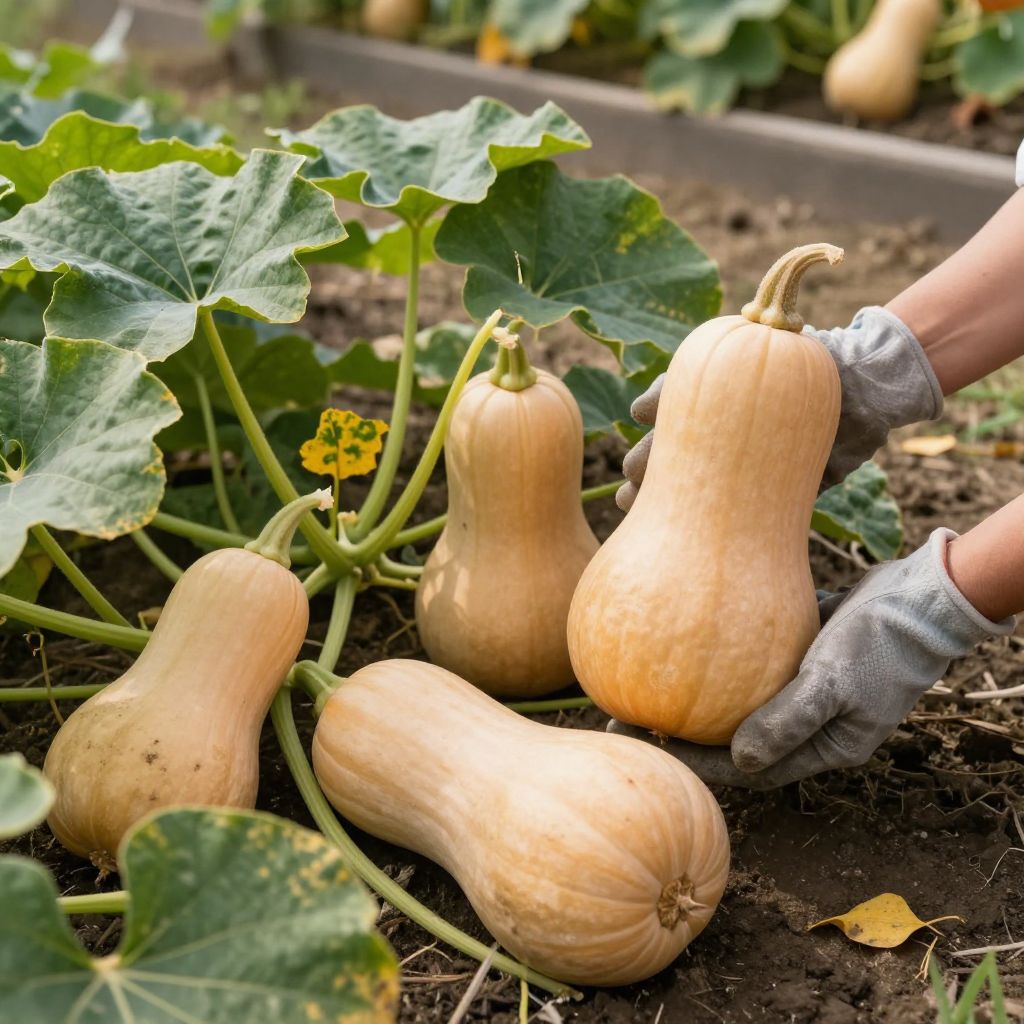
Wondering when is butternut squash in season? The answer depends on whether you mean harvest season in the garden or peak availability at the market. In most climates, butternut squash is harvested in late summer through fall, then stored and sold through winter because its hard rind keeps well.
If you want the best flavor, timing matters. Butternut squash is ready to pick when the skin is fully tan, the stem is dry, and the fruit has matured on the vine before frost.
When is butternut squash in season?
Butternut squash is typically in season from late summer through fall, with harvest often starting about 80 to 120 days after planting, depending on variety and climate. In many regions, the freshest homegrown squash comes off the vine from September to November, while stored squash can remain available into winter.
Understanding the butternut squash season cycle
Garden season vs. store season
In the garden, butternut squash is a warm-season crop that grows during the frost-free months. In stores and markets, it may appear well beyond harvest season because cured squash stores for weeks or months in cool, dry conditions.
That means “in season” can mean two different things:
- Fresh harvest season: when the fruit is picked ripe from the vine.
- Storage season: when cured squash is still good to use after harvest.
Typical timing by climate
Because local weather changes the schedule, use your frost dates and daytime temperatures to guide planting. Butternut squash needs warm soil and a long growing season, so it is usually planted after all danger of frost has passed.
- Cooler climates: start seeds indoors or use transplants to get ahead of the season.
- Moderate climates: direct sow or transplant in late spring once soil is warm.
- Warm climates: plant earlier, but protect young plants from cold nights and extreme heat stress.
How to tell when butternut squash is ready to harvest
Do not rely on size alone. A squash can look large but still be immature, while a smaller fruit may be fully ripe. Look for several signs together before cutting it from the vine.
Harvest readiness checklist
- Skin color: the rind turns a deep, even tan or beige.
- Stem: the stem becomes dry, corky, and hard.
- Rind firmness: you should not be able to dent it easily with a fingernail.
- Vine decline: the plant is naturally slowing down as the fruit matures.
- Sound and feel: the squash feels heavy for its size and solid all the way through.
If frost is approaching and the squash is close but not fully cured, harvest it anyway. A light frost can damage the fruit, especially if the vine is still green and actively growing.
How to harvest without damaging the fruit
- Use clean pruners or a sharp knife.
- Cut the stem, leaving 1 to 2 inches attached to the squash.
- Handle the fruit gently to avoid bruising or puncturing the skin.
- Do not carry squash by the stem alone, since it can break off.
Growing butternut squash for the best seasonal harvest
If you want a reliable fall harvest, give the plant the right growing conditions from the start. Butternut squash is vigorous, heat-loving, and hungry for space, sun, and steady moisture.
Sunlight and site selection
Choose a location with full sun, meaning at least 6 to 8 hours of direct light daily. More sun usually means better flowering, stronger growth, and better fruit ripening.
Also make sure the site has room for spreading vines. If space is limited, train vines carefully or choose a compact growing area, but still avoid crowding.
Soil and compost
Butternut squash grows best in fertile, well-drained soil enriched with compost. A loose, moisture-retentive bed helps roots develop and supports steady fruit growth.
- Work in compost before planting to improve soil structure.
- Avoid heavy, waterlogged soil that stays soggy after rain.
- If your soil is poor, build a raised bed or mound for better drainage.
Good drainage matters because squash roots dislike sitting in wet soil. Poor drainage can slow growth and increase disease problems.
Planting time
Plant after the soil has warmed and nights are reliably mild. Cold soil can stunt seedlings and slow germination. If you start indoors, transplant carefully once the weather is settled and the soil is warm enough for active growth.
Direct sowing works well in warm regions, while cooler areas often benefit from transplants to shorten the time to harvest.
Spacing and support
Give each plant enough room to spread. Crowded squash plants are more likely to develop mildew and poor fruit set because air circulation suffers.
- Leave generous spacing between plants.
- Keep vines from tangling too densely if possible.
- Use mulch to suppress weeds and help the soil hold moisture.
Watering and feeding during the growing season
Consistent moisture helps squash fruit size up evenly. Irregular watering can lead to stress, poor fruit development, and split or misshapen squash.
Watering tips
- Water deeply at the base rather than wetting the foliage.
- Keep the soil evenly moist, especially during flowering and fruit set.
- Mulch around the plants to reduce evaporation and soil splash.
Avoid frequent shallow watering. It encourages weak roots and makes plants more vulnerable during hot weather.
Feeding without overdoing it
Too much nitrogen can produce large leafy vines with few fruits. A balanced, compost-rich soil is usually a better foundation than heavy feeding.
If your plants look lush but are not setting fruit, check whether they are getting too much nitrogen, not enough pollination, or insufficient sun.
Pollination and fruit set
Butternut squash produces separate male and female flowers on the same plant. Bees and other pollinators usually move pollen between them, which is essential for fruit development.
What to watch for
- Male flowers often appear first.
- Female flowers have a small swollen fruit behind the blossom.
- Poor pollination can cause tiny fruits to yellow and drop.
If pollinators are scarce, you can hand-pollinate in the morning by transferring pollen from a male flower to the center of a female flower. This can improve fruit set in small gardens.
Common pests and diseases that affect harvest timing
Pests and disease can shorten the growing season or reduce the quality of the crop. Catching problems early helps you keep plants productive long enough for fruit to mature.
Common pests
- Squash bugs: suck sap and weaken vines.
- Cucumber beetles: chew leaves and can spread disease.
- Vine borers: can suddenly wilt plants and stop fruit development.
Check leaf undersides, stems, and the base of the plant regularly. Early detection is much easier to manage than waiting until vines collapse.
Common diseases
- Powdery mildew: white coating on leaves, often late in the season.
- Downy mildew: can spread quickly in humid or wet weather.
- Root and crown rot: more likely in poorly drained soil.
To reduce disease pressure, water at the soil line, space plants well, rotate crops when possible, and remove badly infected leaves if needed. Healthy foliage helps the fruit finish ripening on time.
How to cure and store butternut squash after harvest
Curing improves storage life and helps the skin harden. This is one reason butternut squash stays “in season” long after the garden harvest ends.
Simple curing steps
- Keep harvested squash in a warm, dry, well-ventilated place for about 1 to 2 weeks.
- Protect it from rain, dampness, and direct ground contact.
- Turn the fruit gently if needed so all sides dry evenly.
After curing, store squash in a cool, dry place with good air circulation. Avoid refrigeration for long-term storage unless the squash has been cut.
Signs storage is going wrong
- Soft spots
- Mold around the stem
- Skin that collapses or wrinkles too quickly
- Damage from cuts, bruises, or punctures
Use damaged squash first. Even a small wound can shorten storage life significantly.
Seasonal mistakes to avoid
Many gardeners lose part of their crop by harvesting too early or waiting too long. A few simple adjustments can make a big difference.
- Picking too early: immature squash may taste bland and store poorly.
- Leaving fruit exposed to frost: cold damage reduces quality and storage life.
- Overcrowding plants: poor airflow increases disease risk.
- Watering overhead late in the day: wet foliage encourages fungal issues.
- Ignoring stem condition: a dry, hard stem is one of the best ripeness clues.
Can you grow butternut squash in a short season?
Yes, but you need to plan carefully. In short-season climates, start seeds indoors, transplant after frost, use rich soil, and choose the warmest, sunniest spot you have. Season extension tools such as row cover can help young plants get established, but remove covers once flowering begins so pollinators can reach the blooms.
If your summers are brief, focus on getting plants off to a strong start rather than pushing them with extra fertilizer. Healthy early growth gives the fruit a better chance to mature before cold weather arrives.
Quick seasonal guide for home gardeners
- Spring: prepare soil, start seeds indoors if needed, and wait for warm conditions.
- Early summer: transplant or direct sow, then water consistently and control weeds.
- Midsummer: watch for flowering, pollination, pests, and mildew.
- Late summer to fall: harvest when rind and stem show ripeness.
- After harvest: cure and store for use through winter.
Conclusion
When is butternut squash in season? In the garden, it is usually ready from late summer into fall, once the fruit has fully matured on the vine. For the best harvest, grow it in full sun, warm soil, and well-drained ground, then pick it only when the skin is hard and the stem is dry.
If you want to plan your next crop more confidently, compare your local frost dates with the plant’s long growing season and use that timing to decide when to sow, transplant, and harvest. For more seasonal vegetable guidance, you may also want to read about how to grow winter squash and when to harvest squash in the garden.