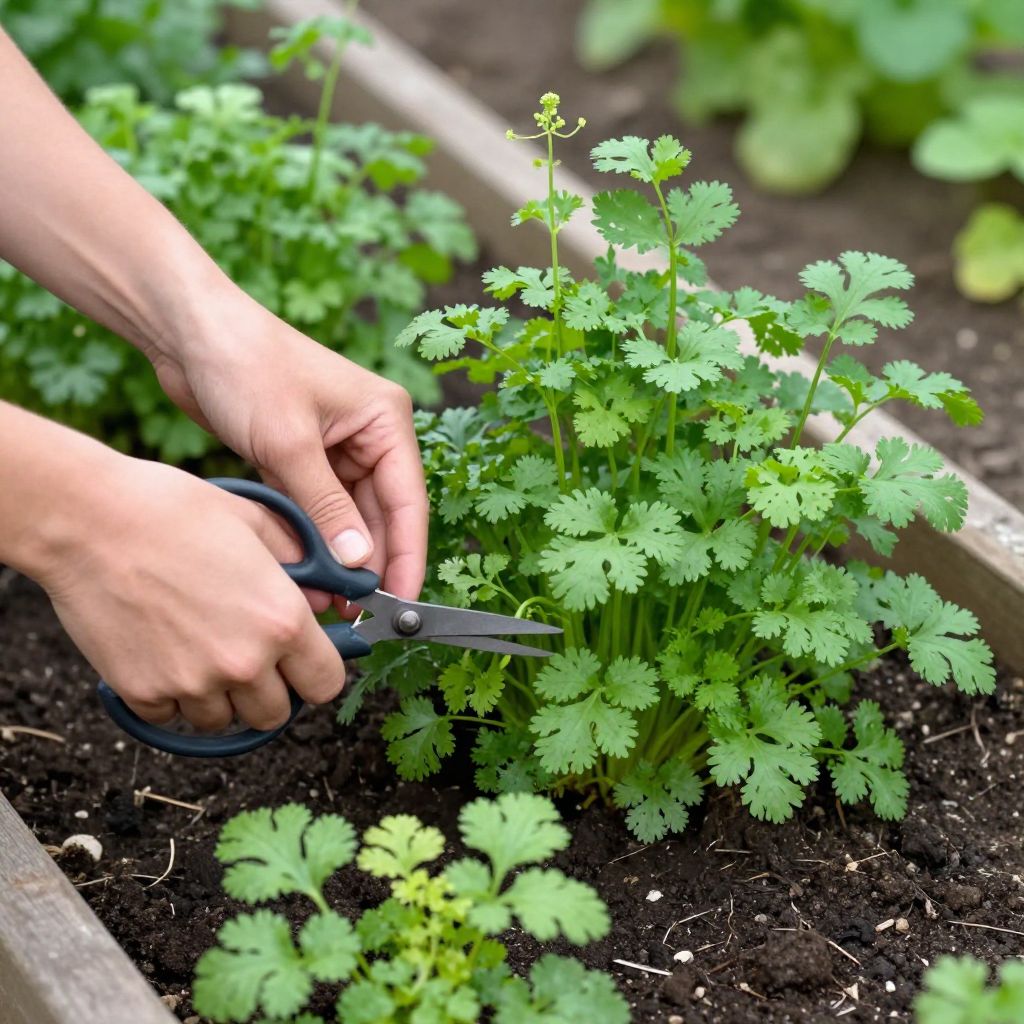
Wondering when to harvest cilantro so it tastes fresh instead of bitter? The timing matters more than many gardeners expect. Cilantro can be picked young for tender leaves, or left longer if you want a larger plant, but once it starts bolting, flavor and leaf quality decline quickly.
The good news is that you can harvest cilantro several times if you cut it correctly and keep the plant growing in cool conditions. With a little timing and a few practical checks, you can pick flavorful leaves, encourage more growth, and know when it is time to pull the plant and start again.
When to harvest cilantro?
Harvest cilantro when the plant is 4 to 6 inches tall and has enough leafy growth to spare, usually before flower stalks appear. Pick outer leaves first, or cut stems about 1 to 2 inches above the soil line. Once cilantro starts bolting, harvest immediately for the best flavor.
How to tell cilantro is ready for harvest
Cilantro is usually ready once it has several sets of true leaves and looks full enough that removing a few stems will not weaken it. Young plants often reach this stage in about 3 to 4 weeks after sowing, depending on temperature, light, and growing conditions.
Signs the plant is harvestable
- Plants are at least 4 inches tall.
- You can see multiple leafy stems, not just a tiny seedling.
- Leaves are a healthy green and aromatic when rubbed.
- The center is still producing soft new growth.
For the best flavor, harvest cilantro before the plant gets tall and leggy. Cilantro prefers cool weather, so warm temperatures and long days can push it into flowering quickly.
Signs you waited too long
- A tall central stem begins rising from the middle.
- Leaves become finer, thinner, or less abundant.
- The plant looks more upright and less bushy.
- Small flower buds or white blooms appear.
Once bolting begins, the leaves often taste sharper and less sweet. You can still use them, but the plant is shifting energy from foliage to seed production.
Best time of day to harvest cilantro
Harvest cilantro in the morning after dew has dried but before the day heats up. Leaves are usually crisper then, and the plant is less stressed. If you harvest during hot afternoon weather, the leaves may wilt faster and the plant may struggle more.
If you are harvesting from a container or windowsill plant indoors, the same idea applies: pick when the plant is turgid and fresh, not after it has been sitting in strong heat or dry air for hours.
How to harvest cilantro without killing the plant
The safest method is to take a few outer stems at a time and leave the center growing point intact. Cilantro is an annual herb, but careful harvesting can extend the usable life of the plant for several weeks.
- Look for the outermost stems with the largest leaves.
- Use clean scissors or pinch stems with your fingers.
- Cut stems 1 to 2 inches above the soil line.
- Leave the small inner leaves and growing center in place.
- Harvest only about one-third of the plant at a time.
Avoid cutting the plant all the way to the soil unless you are ready to remove it. Cilantro regrows best when you leave enough leaf area for photosynthesis and recovery.
Leaf-by-leaf picking vs. cutting stems
- Leaf-by-leaf picking is best for small plants or light harvests.
- Stem cutting is better when the plant is larger and you want a fuller harvest.
Either method works, but stem cutting is usually cleaner and faster. It also helps you avoid bruising the foliage, which can happen if you pull too hard on delicate leaves.
How often can you harvest cilantro?
You can usually harvest cilantro every few days once the plant is established, as long as you leave enough growth behind. In cool weather, repeated light harvesting can continue for a couple of weeks or longer. In warm weather, the harvest window is often much shorter.
Think of cilantro as a quick-turn herb rather than a long-term perennial. If you want a steady supply, sow new seeds every 2 to 3 weeks during suitable weather instead of relying on one planting alone.
What affects harvest timing?
Several growing conditions influence when cilantro is ready and how long it stays useful. Climate matters most, but soil quality, moisture, and sun exposure also play a role.
Temperature
Cilantro grows best in cool conditions. Warm weather speeds bolting, which shortens the harvest period. If temperatures rise quickly in your area, harvest sooner rather than waiting for larger leaves.
Sunlight
Cilantro does well in full sun in cool climates, but in warmer regions it often performs better with morning sun and afternoon shade. Too much heat and light can push the plant to flower early.
Watering
Keep the soil evenly moist, not soggy. Drought stress can make cilantro bolt faster and can also reduce leaf size and tenderness. Containers dry out especially quickly, so check them often.
Soil and drainage
Use loose, well-drained soil enriched with compost. Heavy, compacted soil can slow growth and make the plant less productive. Good drainage helps roots stay healthy and supports steady leaf production.
Harvesting cilantro in the garden vs. in containers
Garden-grown cilantro often has more room to develop, while container-grown cilantro may need more frequent attention. Both can be harvested the same way, but potted plants usually dry out faster and may bolt sooner if the container gets hot.
For outdoor beds
- Harvest early in the season if your climate warms quickly.
- Use mulch to help keep roots cooler and soil moisture steadier.
- Watch for flowering stems as temperatures rise.
For pots and window boxes
- Choose a pot with drainage holes.
- Use a quality potting mix rather than garden soil.
- Move containers out of harsh afternoon sun if leaves start to wilt or burn.
Container cilantro is often best treated as a short-cycle herb. Harvest it promptly and re-sow when the plant starts to decline.
What to do when cilantro bolts
Bolting means the plant is sending up a flower stalk. Once that starts, the leaves usually become less abundant and the plant’s energy shifts away from leaf growth. If you catch it early, you can still harvest usable foliage.
Should you cut off the flower stalk?
You can remove an early flower stalk if you notice it soon, but cilantro often resumes bolting under the same conditions. Cutting back may buy you a little time, yet it usually does not restore the plant to peak leaf production for long.
How to use bolting cilantro
- Harvest the remaining leaves right away.
- Let some flowers develop if you want seed later.
- Remove the plant if leaf quality has dropped too much.
If you want coriander seed, allow the flower heads to mature and dry on the plant. Otherwise, pull the plant and replace it with a fresh sowing when conditions are cooler.
Common harvesting mistakes to avoid
A few simple mistakes can shorten the life of your cilantro crop or reduce flavor. Most are easy to avoid once you know what to look for.
- Waiting too long and letting the plant bolt before harvesting.
- Removing too much at once, which weakens regrowth.
- Cutting too close to the soil and damaging the crown.
- Harvesting in hot weather when leaves wilt quickly.
- Ignoring water stress, which can make the plant bitter sooner.
If your cilantro is small, be patient and harvest lightly. If it is already flowering, focus on taking what is still usable rather than trying to force more leaf growth.
How to keep cilantro producing longer
You cannot stop cilantro from aging, but you can slow bolting and stretch the harvest window. The goal is to keep the plant cool, evenly watered, and lightly harvested.
- Sow seeds in succession every few weeks during cool weather.
- Give plants some afternoon shade in warm climates.
- Keep soil moist but not waterlogged.
- Harvest regularly before the plant gets tall and woody.
- Use compost to support steady growth without overfeeding.
Success with cilantro often depends on timing more than size. A smaller, young plant can taste much better than a larger one that has started to flower.
Storing cilantro after harvest
Fresh cilantro bruises easily, so handle it gently. After harvesting, shake off excess moisture and store the stems loosely in the refrigerator. For short-term storage, a jar with a little water and a loose cover can help keep leaves fresh.
If you harvest a larger amount, sort through it right away and remove any damaged or yellowing leaves. The fresher the harvest, the better the flavor and texture.
Quick answer: the best harvest window
The best time to harvest cilantro is when the plant is young, leafy, and still compact, usually before it sends up a flower stalk. Pick outer stems in the morning, take only part of the plant at a time, and replant often for a steady supply.
If you want to improve your herb garden further, it also helps to learn how to grow cilantro from seed and how to prevent herbs from bolting in hot weather.