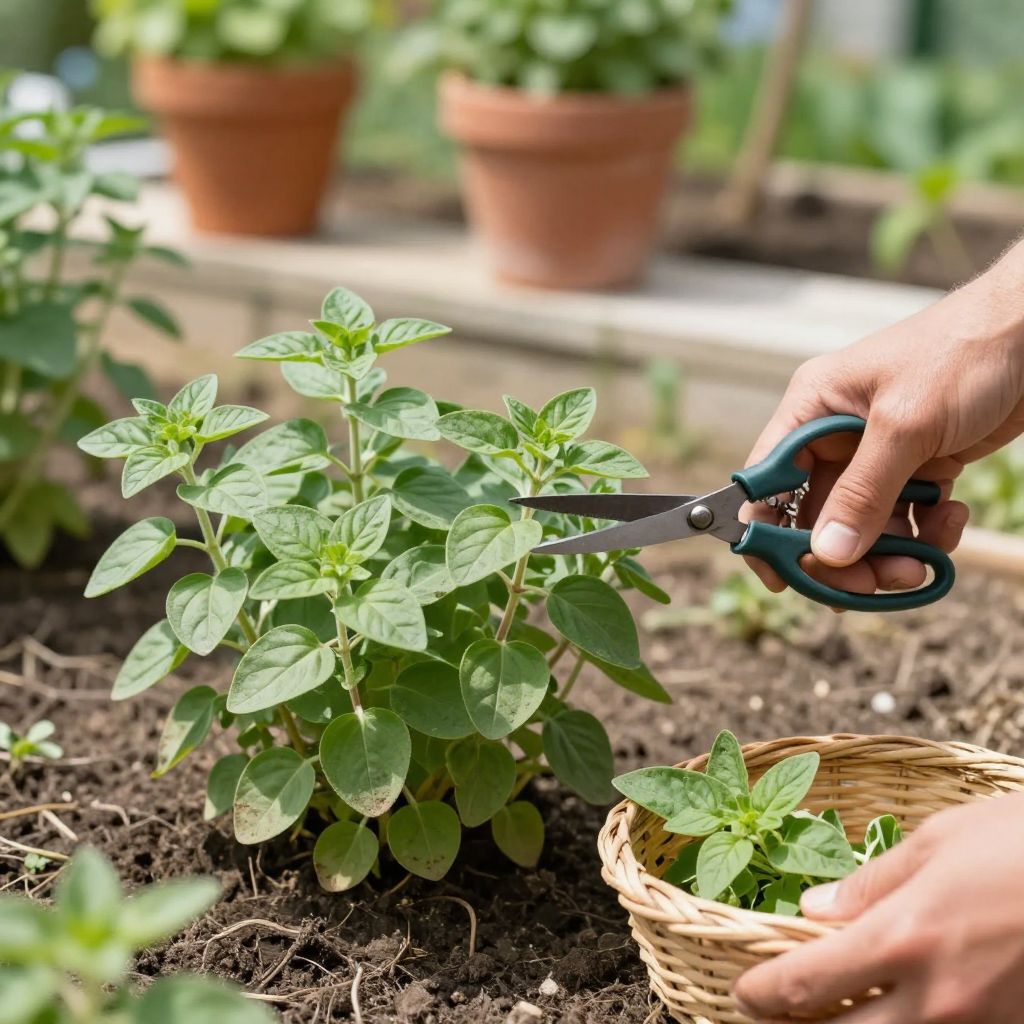
Wondering when to harvest oregano so it has the best flavor and keeps growing well? The right time depends on the plant’s size, the weather, and whether you want fresh leaves or dried herb. Oregano is most flavorful before it flowers, but you can harvest lightly almost any time once the plant is established.
With a few simple checks, you can cut oregano at the right stage, avoid weakening the plant, and encourage fuller regrowth. Here’s how to tell when your oregano is ready and how to harvest it properly.
When to harvest oregano?
Harvest oregano when the plant is at least 4 to 6 inches tall, has several healthy stems, and the leaves are well developed. For the strongest flavor, pick stems just before flowering or while flower buds are forming. Avoid taking too much at once; remove no more than about one-third of the plant.
How to tell oregano is ready to pick
Oregano is a perennial herb that grows best in full sun, well-drained soil, and moderate moisture. A healthy plant will produce plenty of leafy stems you can trim without stressing it.
Signs your oregano is ready
- Height: The plant is at least 4 to 6 inches tall, often more if it has been growing for a while.
- Stem growth: It has multiple stems, not just one or two thin shoots.
- Leaf density: The stems are leafy enough that trimming will still leave plenty behind.
- Flavor stage: Leaves are aromatic and the plant has not fully flowered yet.
Best stage for flavor
If you want the most intense taste, harvest oregano before it blooms. Once flowers open, the leaves can become slightly less pungent, though still useful. Many gardeners cut stems when flower buds are just starting to appear.
Best time of day and season to harvest
The timing of your harvest affects both flavor and plant recovery. Oregano’s essential oils are usually strongest in the morning after dew dries, especially on dry, sunny days.
Time of day
- Best: Late morning to early afternoon after the plant has dried.
- Avoid: Harvesting when the plant is wet from rain or heavy dew, which can make drying harder and may encourage disease.
Seasonal timing
- Spring to early summer: Good for light harvests once growth is established.
- Mid to late summer: Often the main harvest period, especially before flowering peaks.
- Fall: You can still harvest if the plant is healthy, but growth may slow as temperatures drop.
If you grow oregano indoors, you can harvest year-round as long as the plant is actively growing. Indoors, light levels and pot size matter more than the calendar, so use plant size and leaf density as your guide.
How to harvest oregano without harming the plant
Harvesting oregano correctly helps it branch and stay productive. Use clean scissors, herb snips, or pruners, and cut stems rather than stripping leaves one by one from weak growth.
- Choose healthy stems with plenty of leaves.
- Cut just above a leaf pair or branching point.
- Remove stems from the top or outer growth first.
- Leave enough foliage so the plant can keep photosynthesizing and regrowing.
- Stop after removing about one-third of the plant at most.
Never cut oregano back to bare woody stems all at once. That can slow regrowth and make the plant look sparse. A light, regular harvest is usually better than one severe cut.
Fresh use vs. drying harvest
If you plan to dry oregano, harvest stems that are clean, healthy, and not damaged by pests or disease. For fresh use, you can take smaller amounts more often, which is ideal for keeping the plant compact and productive.
How often can you harvest oregano?
Oregano can be harvested repeatedly during the growing season if the plant is vigorous. The key is to give it time to regrow between cuts, especially in hot weather or when the plant is young.
General rule
- Young plants: Harvest lightly and less often until they are well established.
- Mature plants: You can trim them regularly, as long as you keep some leafy growth on each stem.
- After flowering: A light trim can help refresh the plant and encourage new leafy shoots.
In warm climates, oregano may keep producing for a long season. In cooler areas, growth slows as temperatures drop, so harvest more sparingly near the end of the season.
Practical tips for bigger, healthier harvests
Good growing conditions make harvesting easier because the plant produces more tender stems and better leaf growth. Oregano prefers full sun, sharp drainage, and soil that is not overly rich.
Growing conditions that support harvest quality
- Sunlight: Full sun gives the best flavor and compact growth.
- Soil: Well-drained soil is essential; soggy roots reduce plant health.
- Watering: Water when the soil begins to dry, rather than keeping it constantly wet.
- Fertility: Too much fertilizer can produce lush but less flavorful growth.
If your oregano is in a container, make sure the pot has drainage holes. Container-grown herbs dry out faster than in-ground plants, so check the soil more often, especially in hot weather.
Pinching and pruning before harvest
Pinching the tips of young oregano stems encourages branching. More branches usually mean more harvestable stems later, and the plant stays less leggy.
- Pinch soft tips when stems are a few inches tall.
- Trim back long stems to a leaf node to promote side shoots.
- Remove flower buds if you want to delay blooming and extend leafy growth.
Common mistakes to avoid
Most oregano harvest problems come from cutting too much, too late, or too often without giving the plant time to recover. A few simple habits can prevent those issues.
What not to do
- Don’t harvest a tiny plant too early. Let it establish roots and several stems first.
- Don’t remove more than one-third at a time. Heavy cutting can slow regrowth.
- Don’t wait too long after flowering. Flavor can decline as the plant shifts energy to seed.
- Don’t harvest wet foliage for drying. Moisture can lead to poor drying and mold.
- Don’t overwater after cutting. Oregano prefers moderate moisture, not saturated soil.
What to do after harvesting
After you cut oregano, a little follow-up care helps the plant bounce back quickly. Keep it in bright light and avoid stressing it with excess water or fertilizer.
Aftercare steps
- Check the plant for any damaged or diseased stems and remove them.
- Water only if the soil is dry a short distance below the surface.
- Give container plants good airflow and bright light.
- Watch for new side shoots along the cut stems within a week or two, depending on weather and growing conditions.
If growth seems slow, the plant may need more sun, better drainage, or a lighter harvest next time. Oregano often responds well to regular trimming once it is established.
Troubleshooting harvest problems
Sometimes oregano looks ready, but the leaves are small, tough, or less fragrant than expected. That usually points to growing conditions rather than harvest timing alone.
Small, woody, or weak growth
If stems are woody and leaf production is sparse, the plant may be older or overdue for renewal. You can still harvest the softer tips, but avoid cutting deep into old woody sections if there are no leaves there.
Leggy plants
Leggy oregano often needs more sun. Move container plants to a brighter spot, or thin nearby plants that are shading it. Regular pinching also helps keep growth compact.
Pests and disease
Oregano is usually trouble-free, but crowded, damp plants can develop fungal issues. Check for yellowing leaves, blackened stems, or spots, and improve airflow and drainage if needed. Remove damaged growth before harvesting healthy stems.
Can you harvest oregano after it flowers?
Yes, you can still harvest oregano after flowering, but the flavor may be milder and the stems may be a bit tougher. If the plant has already bloomed, trim it back lightly to encourage fresh leafy growth.
For the best quality, try to harvest before full bloom next time. That is usually the sweet spot for both flavor and plant vigor.
Simple harvest checklist
- Wait until the plant is well established and at least 4 to 6 inches tall.
- Harvest in dry weather, preferably late morning.
- Cut healthy stems just above a leaf pair.
- Take no more than one-third of the plant at a time.
- Pick before flowering for the strongest flavor.
- Give the plant time to regrow before the next cut.
Conclusion
When to harvest oregano comes down to plant size, leaf development, and bloom stage. For the best flavor, pick just before flowering and harvest lightly so the plant keeps producing. Use clean snips, cut above leaf nodes, and let the herb recover between harvests.
If you want to keep improving your herb bed, you may also enjoy reading more about how to prune herbs for bushier growth and growing herbs in containers.