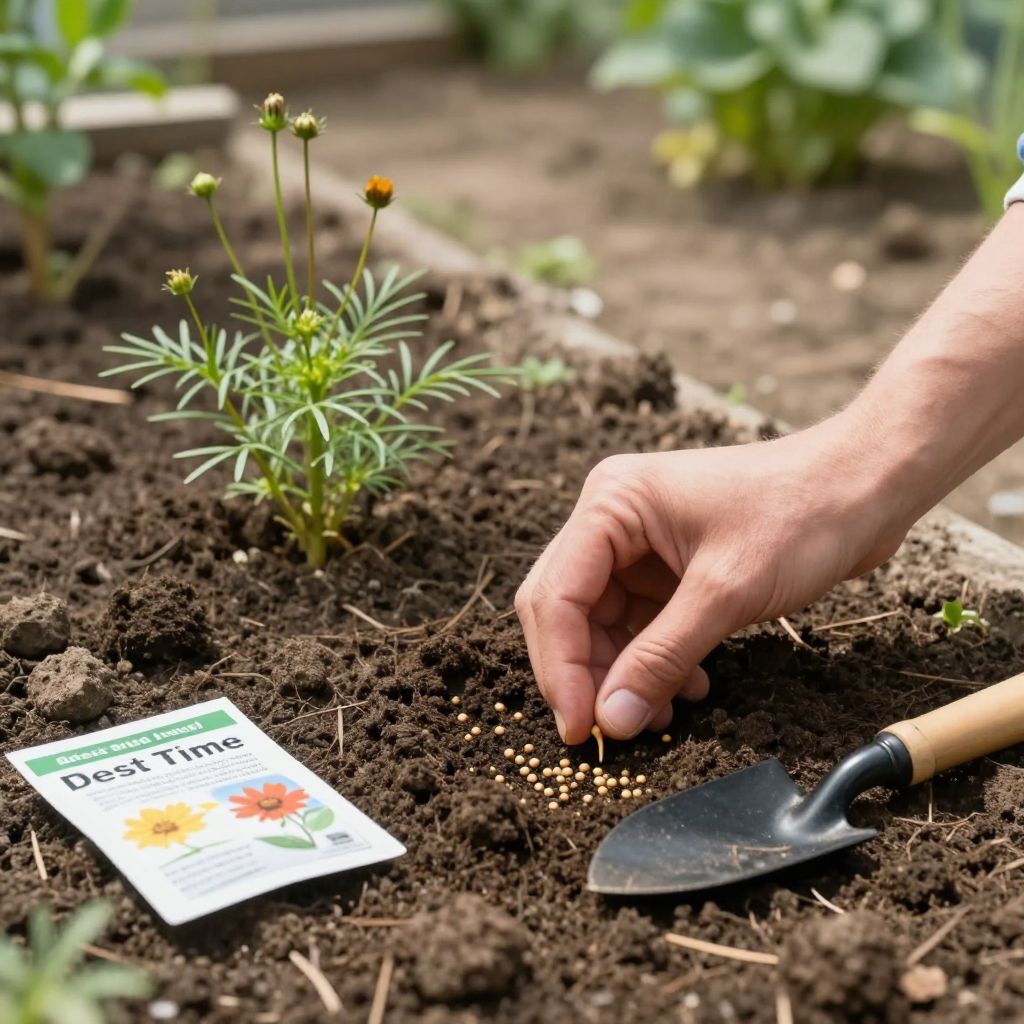
Wondering when to plant cosmos seeds so they germinate well and bloom on time? Cosmos are one of the easiest flowers to grow, but timing matters if you want sturdy plants and a long flowering season.
The good news is that cosmos are flexible. You can sow them indoors a few weeks before your last frost or direct sow them outdoors once the soil has warmed and frost risk has passed.
When to plant cosmos seeds?
Plant cosmos seeds outdoors after your last frost date, when the soil is workable and temperatures are reliably mild. In most climates, that means spring to early summer. You can also start seeds indoors 4 to 6 weeks before the last frost if you want earlier blooms, but avoid sowing too early because cosmos dislike being transplanted when rootbound.
Best planting time for cosmos by method
Direct sowing outdoors
Direct sow cosmos seeds after the danger of frost has passed and the soil has warmed. Cosmos germinate best in warm conditions, and seedlings grow more strongly when they are not moved around too much.
- Wait until after the last frost date in your area.
- Choose a sunny site with well-drained soil.
- Sow seeds thinly and lightly cover them with soil.
- Keep the seedbed evenly moist until germination.
If your spring is cool and wet, waiting a little longer is often better than sowing too early. Cold soil can slow germination and make seedlings more vulnerable to rot.
Starting cosmos indoors
Start cosmos indoors 4 to 6 weeks before your last expected frost if you want an earlier start. Use small pots or cell trays, because cosmos seedlings grow quickly and do not like staying in containers too long.
- Sow one to two seeds per cell or small pot.
- Use a light seed-starting mix, not heavy garden soil.
- Provide bright light so seedlings do not stretch.
- Harden off plants before moving them outside.
Indoor sowing is useful in short growing seasons, but it is not essential. In many regions, direct sowing outdoors is simpler and produces stronger plants.
How to choose the right planting window for your climate
The best time to plant cosmos seeds depends on your local frost dates and how long your growing season lasts. Cosmos are warm-season annuals, so they perform best when nights are no longer chilly and the soil is warming up.
Cool climates
In cooler regions with short summers, start seeds indoors or direct sow as soon as the soil warms in late spring. Earlier sowing indoors can help you get blooms before the first fall frost.
Mild climates
In mild or frost-free areas, cosmos can often be sown in late winter, early spring, or even in succession for a longer display. Still, avoid sowing during the coldest part of the season.
Hot climates
Cosmos tolerate heat well once established, but very hot, dry weather can stress young seedlings. In hot regions, sow when spring temperatures are moderate so plants can establish before intense summer heat arrives.
Where cosmos grow best
Cosmos thrive in full sun and average, well-drained soil. Rich soil is not necessary, and overly fertile ground can produce lots of leafy growth with fewer flowers.
- Sunlight: at least 6 hours of direct sun daily
- Soil: loose, well-drained soil
- pH: cosmos are adaptable and usually do fine in average garden soil
- Moisture: moderate, not soggy
If your soil is heavy clay or stays wet after rain, improve drainage before planting. Raised beds, mounded rows, or mixing in compost can help, but avoid overworking the soil into a dense, compacted layer.
How to plant cosmos seeds step by step
- Choose a sunny spot with loose, well-drained soil.
- Remove weeds and break up the top layer of soil.
- Sow seeds about 1/4 inch deep, or press them lightly into the soil and cover very lightly.
- Space seeds or thin seedlings about 12 to 18 inches apart, depending on the variety.
- Water gently to settle the soil.
- Keep the area lightly moist until seedlings emerge.
Cosmos seeds need light and warmth to germinate well, so do not bury them deeply. A thin covering is enough. If you sow too deep, germination may be slow or uneven.
How long cosmos seeds take to germinate
Under warm conditions, cosmos seeds often sprout in about 7 to 21 days. Cooler soil can slow them down, so patience helps. If nothing appears after a few weeks, check whether the soil dried out, the seed was buried too deeply, or temperatures were too low.
What healthy seedlings look like
Healthy cosmos seedlings are slender but upright, with feathery first true leaves appearing soon after germination. If seedlings become pale and leggy, they usually need more light.
Common mistakes to avoid
- Planting too early: cold soil can delay germination and weaken seedlings.
- Sowing too deeply: cosmos seeds should be covered only lightly.
- Overwatering: soggy soil can cause damping off and poor root growth.
- Too much fertilizer: rich soil can lead to tall, floppy plants with fewer flowers.
- Skipping thinning: crowded seedlings compete for light and airflow.
Cosmos are forgiving, but they still need the basics done right. If you give them sun, warmth, and drainage, they usually reward you with a long bloom period.
Watering and feeding after planting
Water newly planted cosmos regularly until they are established, then ease back. Mature plants are fairly drought-tolerant, and overly wet soil is more likely to cause problems than occasional dryness.
Use a gentle watering method so you do not wash away tiny seeds or flatten seedlings. Once plants are growing well, water at the base when the top inch or two of soil feels dry.
Fertilizer is usually unnecessary in average garden soil. If your soil is poor, a small amount of compost worked into the bed before planting is usually enough. Avoid high-nitrogen feeding, which can encourage leaves instead of flowers.
Pinching, staking, and deadheading
Pinching young plants
When seedlings are 6 to 8 inches tall, you can pinch the tips to encourage bushier growth. This is especially useful if you want more stems for cutting or a fuller border display.
Staking taller varieties
Some cosmos varieties grow tall and may lean in wind or rain. If your plants are in an exposed spot, use light staking or support them with neighboring plants.
Deadheading for more blooms
Remove faded flowers regularly to keep plants producing new buds. If you want self-seeding, leave a few flowers to form seed heads at the end of the season.
Pests and diseases to watch for
Cosmos are generally low-maintenance, but young plants can still run into a few issues. Most problems are linked to poor airflow, wet soil, or weak seedlings.
- Aphids: rinse off with water or pinch out heavily infested tips.
- Slugs and snails: protect seedlings with barriers or hand-pick at night.
- Powdery mildew: improve spacing, airflow, and watering at soil level.
- Damping off: avoid overcrowding and do not keep seedlings too wet.
If mildew appears late in the season, it is often more of a cosmetic issue than a serious threat. Good spacing and full sun usually reduce the risk significantly.
Can you succession sow cosmos?
Yes, in many climates you can sow cosmos in small batches every 2 to 3 weeks through late spring and early summer. This can extend flowering and give you a more continuous display, especially if you are growing them for cutting.
Succession sowing works best where the season is long enough for later sowings to mature before frost. In shorter seasons, one early sowing is usually more practical.
Growing cosmos in containers
Cosmos can grow in pots if the container drains well and gets full sun. Choose a pot deep enough for root growth and use a quality potting mix rather than heavy garden soil.
- Use a container with drainage holes.
- Place it in a sunny, open location.
- Water more often than in the ground, but never let it stay soggy.
- Feed lightly only if the potting mix is low in nutrients.
Container-grown cosmos may need more attention in hot weather because pots dry out faster than garden beds.
Harvesting cosmos for cut flowers
If you want cosmos for bouquets, cut stems when the first flowers open and more buds are forming behind them. Harvesting regularly encourages more blooms and keeps the plant tidy.
Use clean scissors or pruners and cut stems in the cool part of the day. Place them in water right away for the best vase life.
Final tips for success
The best time to plant cosmos seeds is after frost danger has passed and the soil has warmed, or indoors a few weeks earlier if you need a head start. Give them sun, light soil, and moderate watering, and they will usually do the rest.
If you are unsure when to start, check your local last frost date, then sow a little later rather than too early. For more seasonal flower-growing guidance, you may also want to read about growing cosmos flowers and using compost to improve garden soil.