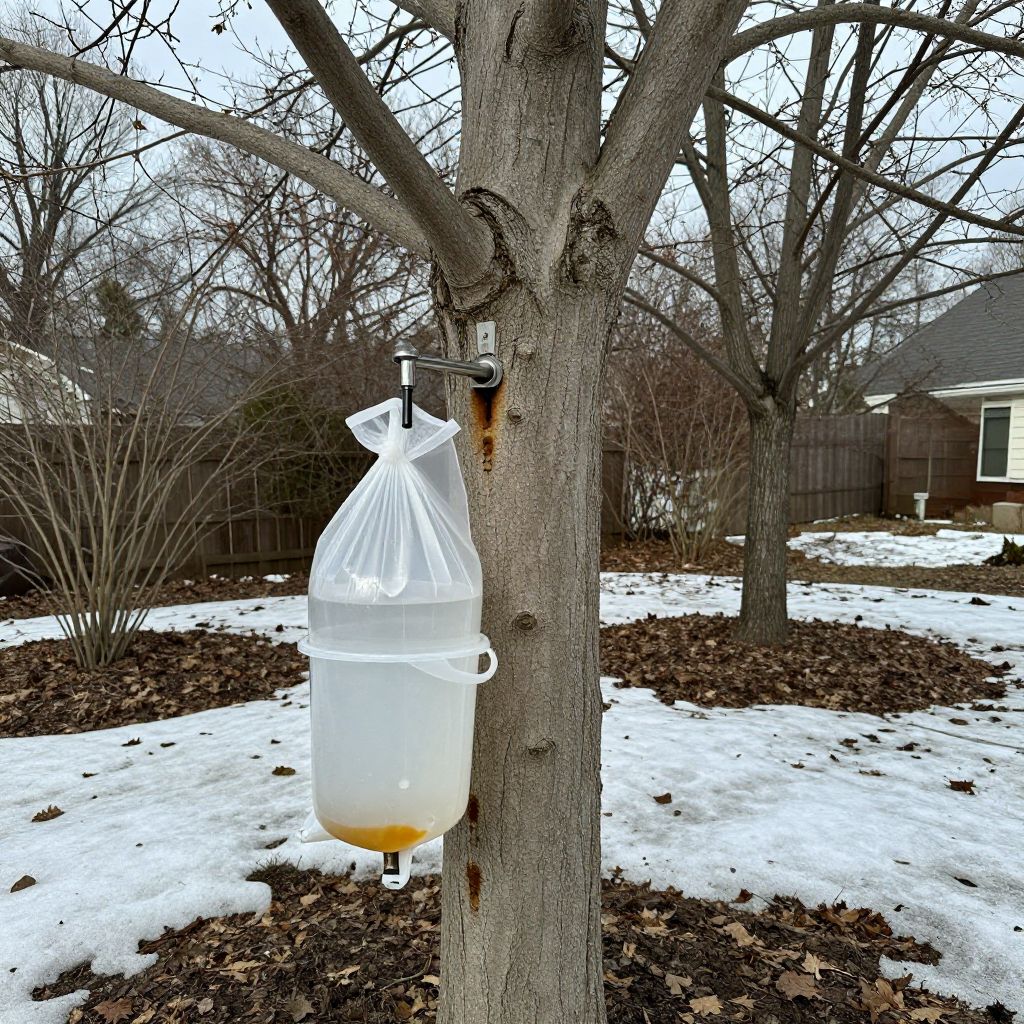
Wondering when to tap maple trees for the best sap flow? The short answer is late winter to early spring, when daytime temperatures rise above freezing and nights still dip below 32°F (0°C). That freeze-thaw pattern creates pressure inside the tree and helps sap move. The exact timing depends on your local climate, tree species, and weather, not the calendar alone.
If you tap too early, sap may not run well; too late, and the season can end quickly or the sap can taste off. Knowing how to read the tree and the weather is the key to a successful, low-stress maple tapping season.
When to tap maple trees?
Tap maple trees when the sap begins to flow during late winter or early spring, usually after several days of freezing nights and mild daytime temperatures. Aim for trees that are dormant but waking up, before the buds open fully. In many regions, that means February through March, but local weather is the real guide.
How the maple sap season works
Maple sap flow depends on temperature swings. Cold nights pull gases and water movement back inside the tree, and warmer days build pressure that pushes sap toward the tap hole.
The best tapping weather is a repeating freeze-thaw cycle. If nights stay above freezing, sap flow often slows. If the weather turns too warm for too long, the season can end and sap quality may decline.
Signs the tree is ready
- Buds are still closed or only slightly swollen.
- Daytime temperatures are reaching the 40s to 50s°F (about 4–10°C).
- Night temperatures are still dropping below 32°F (0°C).
- Nearby tapped trees are beginning to run sap.
Signs you waited too long
- Buds are opening quickly.
- Leaves are starting to emerge.
- Sap becomes cloudy, darker, or develops a stronger flavor.
- Flow slows even though the weather is warm.
Which maple trees can be tapped?
Sugar maple (Acer saccharum) is the classic choice for syrup production, but red maple (Acer rubrum) and silver maple (Acer saccharinum) are also tapped in many areas. Other maple species may produce sap too, but quality and sugar content can vary.
For home use, the most important factor is tree health and size. Tap only vigorous, mature trees with a trunk diameter of at least 10 to 12 inches at breast height, and use larger trees if you want more than one tap.
Tree size and tap count
- 10–17 inches diameter: usually 1 tap
- 18–24 inches diameter: often 2 taps
- 25 inches or more: sometimes 3 taps, depending on local guidelines
Always follow local recommendations if you’re tapping in a managed woodlot or commercial setting. For a home tree, fewer taps are usually better for long-term tree health.
Best weather and soil conditions for healthy maple trees
Healthy maples grow best in well-drained soil with steady moisture, full sun to partial shade, and enough room for their root systems. A healthy tree recovers better from tapping and is more likely to produce a good sap flow season after season.
Soil that stays waterlogged can stress roots and weaken the tree. If your maple grows in compacted or poorly drained ground, improve the area gradually with mulch and avoid damaging roots with digging or heavy equipment.
What healthy maples need
- Sunlight: full sun is ideal, though many maples tolerate partial shade.
- Soil: moist but well-drained, not soggy.
- Mulch: a 2–4 inch layer, kept away from the trunk.
- Space: enough room for the canopy and roots to expand.
How to tap maple trees correctly
Use clean, sharp tapping tools and a spile sized for the tree and your collection method. A proper tap hole is small, shallow, and placed with care. The goal is to collect sap without causing unnecessary injury.
- Choose a healthy tree with a solid trunk and no major decay.
- Wait for the freeze-thaw pattern to begin.
- Drill a clean hole slightly upward so sap can run out.
- Insert the spile gently; do not force it.
- Hang the bucket or attach tubing securely.
- Check collection containers often and keep them clean.
Good tapping habits
- Use a clean drill bit to reduce the chance of infection.
- Tap on the sunny side if possible, though tree health matters more than exact orientation.
- Avoid old tap holes and obvious wounds.
- Do not tap trees that are weak, diseased, or recently transplanted.
Never tap a stressed young tree just because it is a maple. A tree needs enough trunk size and strength to handle the wound and recover well.
How long the tapping season lasts
The tapping season usually lasts a few weeks, but it can be shorter or longer depending on the weather. A cold spring may extend sap flow, while a sudden warm spell can end it quickly.
For most home gardeners, the season ends when buds swell noticeably or leaf buds start to open. At that point, sap can still flow, but the flavor often changes and the tree is moving out of dormancy.
What to do at the end of the season
- Remove collection equipment.
- Leave the tap hole alone; the tree will naturally seal it.
- Clean and dry buckets, tubing, and tools before storage.
- Record the timing so you can plan better next year.
Common mistakes when deciding when to tap maple trees
Many beginners rely on the calendar instead of the weather. That can lead to tapping too early or too late, especially in areas with variable winters.
Mistakes to avoid
- Tapping before freeze-thaw weather starts: sap may not run well.
- Waiting until leaves are emerging: sap quality and flow often decline.
- Tapping weak or damaged trees: this can add stress.
- Using dirty tools: this increases the risk of introducing problems into the wound.
- Leaving old equipment on too long: it can attract insects or collect debris.
If your sap flow is disappointing, check the weather first. A lack of flow is often caused by warm nights, not a bad tree.
Troubleshooting sap flow and tree health
If you tap at the right time and still get little sap, the issue is often environmental. Some trees also produce less sap because of age, site conditions, or previous stress.
Why sap may not flow
- Night temperatures are staying too warm.
- The tree is too small or too young.
- The tree is stressed by drought, compaction, or root damage.
- The tap hole was drilled poorly or the spile does not fit well.
- Warm spells have already ended the season.
How to improve future seasons
- Keep the root zone mulched, but not piled against the trunk.
- Avoid driving or parking under the canopy.
- Water during dry periods in summer and fall if the tree is in a landscape setting.
- Prune only when necessary and avoid heavy pruning right before tapping season.
Can you tap the same tree every year?
Yes, mature healthy maples are often tapped year after year, but only if they are not overused. Rotate tap locations and keep the number of taps appropriate for the tree’s size. Healthy trees can compartmentalize tap wounds and continue growing well when managed carefully.
If a tree has visible decay, large dead branches, or a history of stress, give it time to recover before tapping again. When in doubt, reduce the number of taps rather than increasing them.
Simple seasonal checklist for home tappers
- Watch for freezing nights and mild days.
- Check that buds are still closed.
- Choose a healthy, mature maple.
- Use clean tools and proper tap size.
- Collect sap frequently and keep containers sanitary.
- Stop when buds swell and leaf-out begins.
Conclusion
The best time to tap maple trees is during late winter to early spring, when your local weather shows repeated freeze-thaw cycles and the buds are still closed. Watch the tree, not just the calendar, and tap only healthy mature maples for the best results. If you want to plan ahead, start observing temperatures now and prepare your tools before the season begins.
For more practical tree care, you may also want to read about how to prune maple trees and general maple tree care.